The Impact of Disuse, Mechanical Unloading, and Environment on Muscle Atrophy
03/01/2026 Share :
Introduction
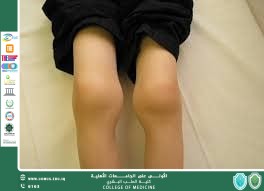
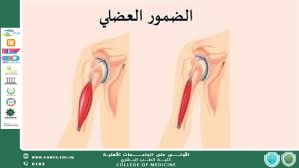
Muscle atrophy is not a single disease entity but a physiological response to reduced neural activation, mechanical loading, and adverse environmental conditions. When this balance is disrupted, muscle mass and strength decline—a phenomenon commonly observed in immobilized patients, prolonged bed rest, spaceflight, and extreme environments.
1. Disuse-Induced Muscle Atrophy
Disuse atrophy is the most common form encountered clinically. It occurs in conditions such as:
• Prolonged bed rest
• Limb immobilization
• Reduced physical activity or paralysis
Physiological mechanisms include:
• Reduced muscle protein synthesis
• Enhanced protein degradation via the ubiquitin–proteasome pathway
• Suppression of the IGF-1/Akt/mTOR signaling pathway
• Preferential atrophy of fast-twitch (Type II) fibers
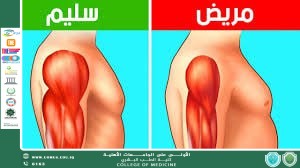
The net result is a smaller, weaker, and metabolically less efficient muscle.
2. Mechanical Unloading
Mechanical loading is a critical signal for maintaining muscle integrity. When this load is removed—as in:
• Microgravity during spaceflight
• Limb suspension models
• Strict non–weight-bearing states
muscle mechanotransduction is severely impaired.
Key changes include:
• Reduced integrin and focal adhesion kinase (FAK) signaling
• Altered intracellular calcium handling
• Increased oxidative stress susceptibility
This explains the rapid atrophy of antigravity muscles such as the soleus.
3. Environmental Influences
Environmental factors subtly but significantly modulate muscle mass:
a. Hypoxia
• Seen at high altitude or in chronic lung disease
• Suppresses anabolic signaling and enhances catabolic pathways
b. Nutritional Deficiency
• Protein or caloric deficits reduce amino acid availability
• Blunt anabolic responses even in active muscle
c. Inflammation and Stress
• Pro-inflammatory cytokines (e.g., TNF-α, IL-6) accelerate muscle breakdown
• Chronic cortisol exposure promotes catabolism
Conclusion
Muscle atrophy reflects the combined effects of:
• Functional disuse
• Mechanical unloading
• A hostile or deficient environment
Understanding these mechanisms supports effective preventive and therapeutic strategies, including early mobilization, resistance exercise, adequate nutrition, and inflammation control.
Al-Mustaqbal University ranks first among private universities.