n Article Titled: “The Importance of Art Psychology in Developing Creative Thinking” By Dr. Huda Hashim Al-Rubaie
07/01/2026 Share :
Contemporary university education is witnessing rapid transformations that require the adoption of modern educational approaches aimed at developing students’ creative thinking, as one of the most important skills of the twenty-first century. Art psychology is considered one of the knowledge fields that combine psychological and aesthetic dimensions, as it studies the cognitive and emotional processes associated with artistic creativity and aesthetic appreciation. The importance of this field is particularly evident in academic institutions, especially at Al-Mustaqbal University, due to its effective role in developing students’ creative abilities and fostering well-rounded personalities.
First: The Concept of Art Psychology
Art psychology is a branch of applied psychology concerned with studying artistic behavior and the creative process from a psychological perspective. It explores the motivations, emotions, and cognitive abilities underlying artistic production. It also focuses on understanding how individuals interact with artworks, whether as creative producers or appreciative recipients, and the psychological and cognitive impact of art.
Second: Creative Thinking and Its Importance for University Students
Creative thinking is the ability to generate new and innovative ideas characterized by fluency, flexibility, and originality. Its importance for university students lies in its contribution to:
Enhancing problem-solving abilities through non-traditional approaches.
Developing intellectual independence and self-confidence.
Preparing students for a constantly changing labor market that demands innovation.
Supporting academic and research excellence.
Third: The Role of Art Psychology in Developing Creative Thinking
Art psychology contributes to the development of creative thinking among students through several key aspects, including:
Stimulating Imagination and Visualization
Engagement with various forms of art (such as drawing, sculpture, design, and theater) helps expand imaginative horizons, which are essential components of creative thinking.
Developing Emotional Awareness
Art psychology emphasizes emotional expression, enabling students to understand their feelings and express them artistically, which positively influences creativity.
Enhancing Cognitive Flexibility
Through analyzing and interpreting artworks from multiple perspectives, students acquire a greater ability to accept diversity and multiple viewpoints.
Discovering Latent Creative Abilities
Art psychology helps students discover and develop their artistic talents, even among non-art specialists, thereby enhancing their confidence in their creative potential.
Fourth: Art Psychology within the Environment of Al-Mustaqbal University
Al-Mustaqbal University is keen to keep pace with modern scientific and educational developments. Integrating art psychology into curricula and university activities represents a strategic step toward supporting creativity and innovation. This field contributes to:
Creating an educational environment that encourages free thinking.
Enhancing interaction among artistic, humanistic, and scientific disciplines.
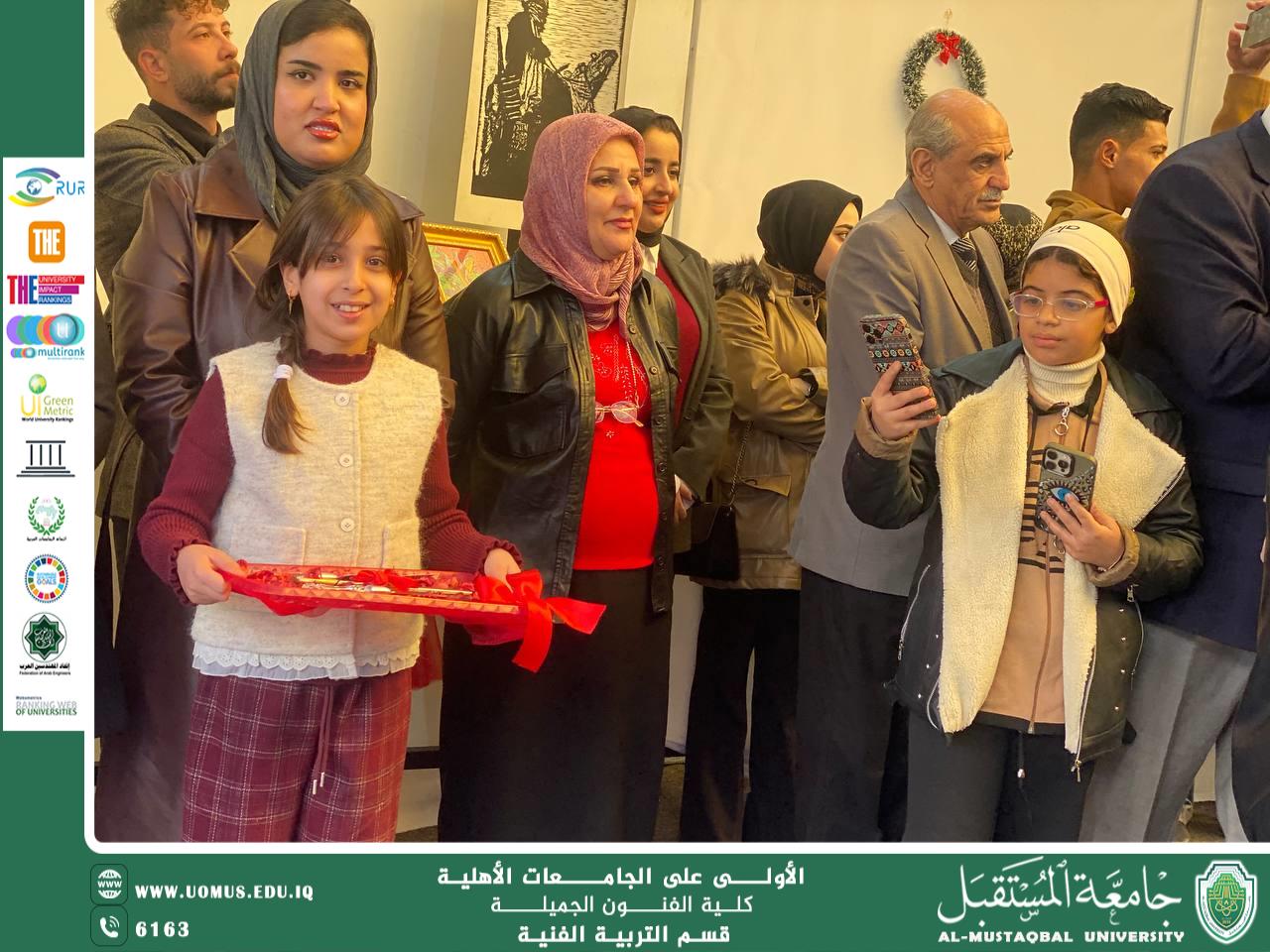
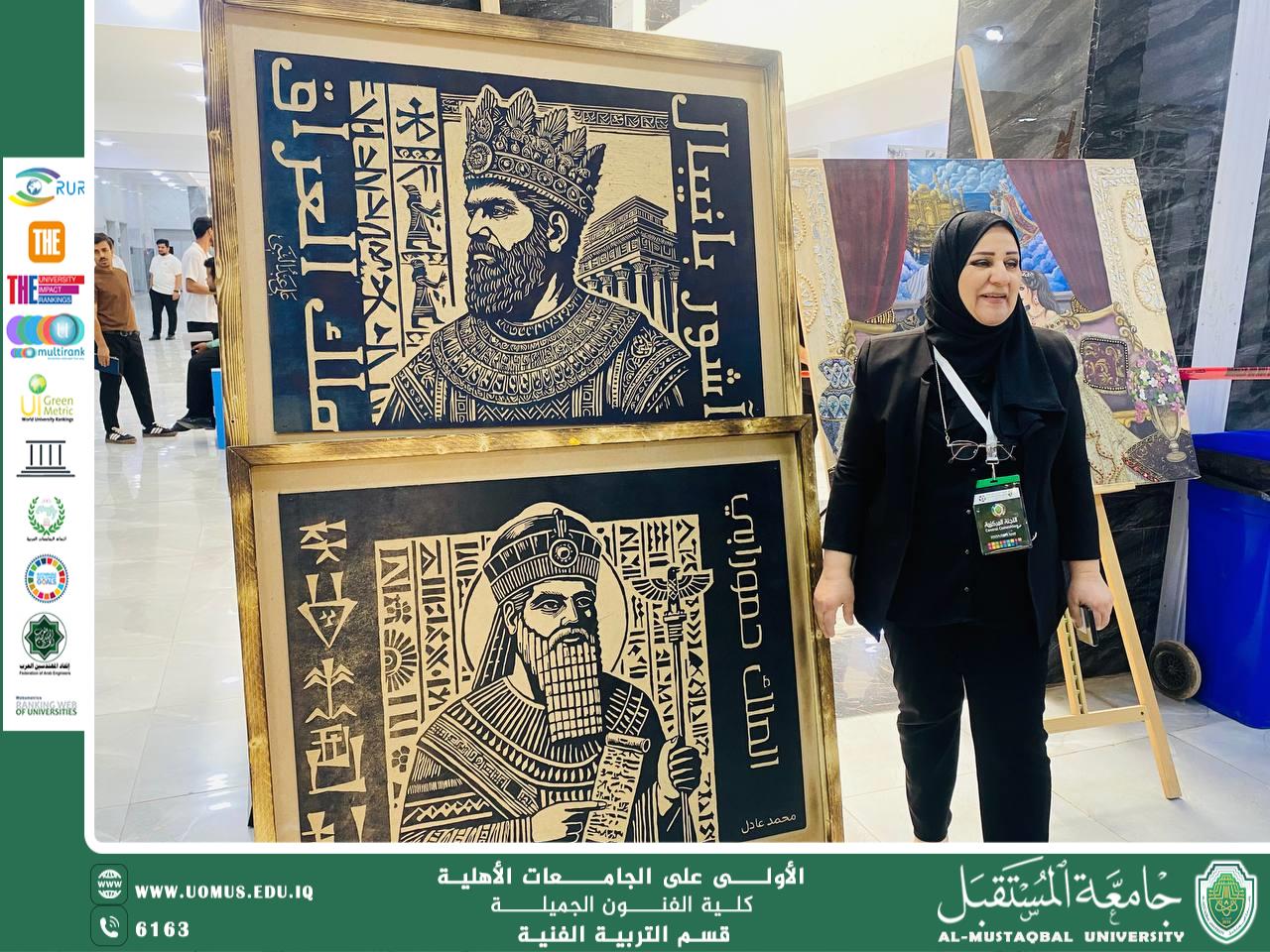
Supporting extracurricular activities, art exhibitions, and creative workshops.
Developing students’ personalities from psychological and cultural perspectives.
Conclusion
Art psychology is an effective educational tool for developing creative thinking among students at Al-Mustaqbal University, as it provides a deep understanding of the creative process and its psychological dimensions. Through its integration into the educational process, the university can contribute to preparing a creative generation capable of innovation and renewal, and well-equipped to face future challenges with confidence and awareness....Almustaqbal University, The First University in Iraq