
Overdiagnosis in Medicine: Do We Sometimes Overdo the Detection of Diseases?
05/01/2026 Share :
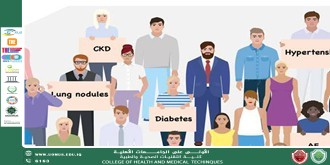
Advances in medical technology have greatly improved our ability to detect diseases at early stages. However, this progress has introduced a growing challenge known as overdiagnosis, which refers to the detection of conditions that would never cause symptoms or harm during a patient’s lifetime.
Overdiagnosis can lead to unnecessary treatments, exposing patients to potential side effects, psychological stress, and increased healthcare costs. Being labeled as “ill” may significantly affect a patient’s quality of life, even when the detected condition poses no real threat.
This does not mean that medical screening is harmful or should be avoided. Instead, it highlights the importance of interpreting test results within the full clinical context. Medicine is not only about identifying disease but also about knowing when intervention is truly beneficial.
Achieving a balance between early diagnosis and avoiding unnecessary medical intervention remains one of the key challenges in modern healthcare.