
Bioactive Materials in Dentistry
10/01/2026 Share :
Author: Athraa Yahyaa Al-Hijazi
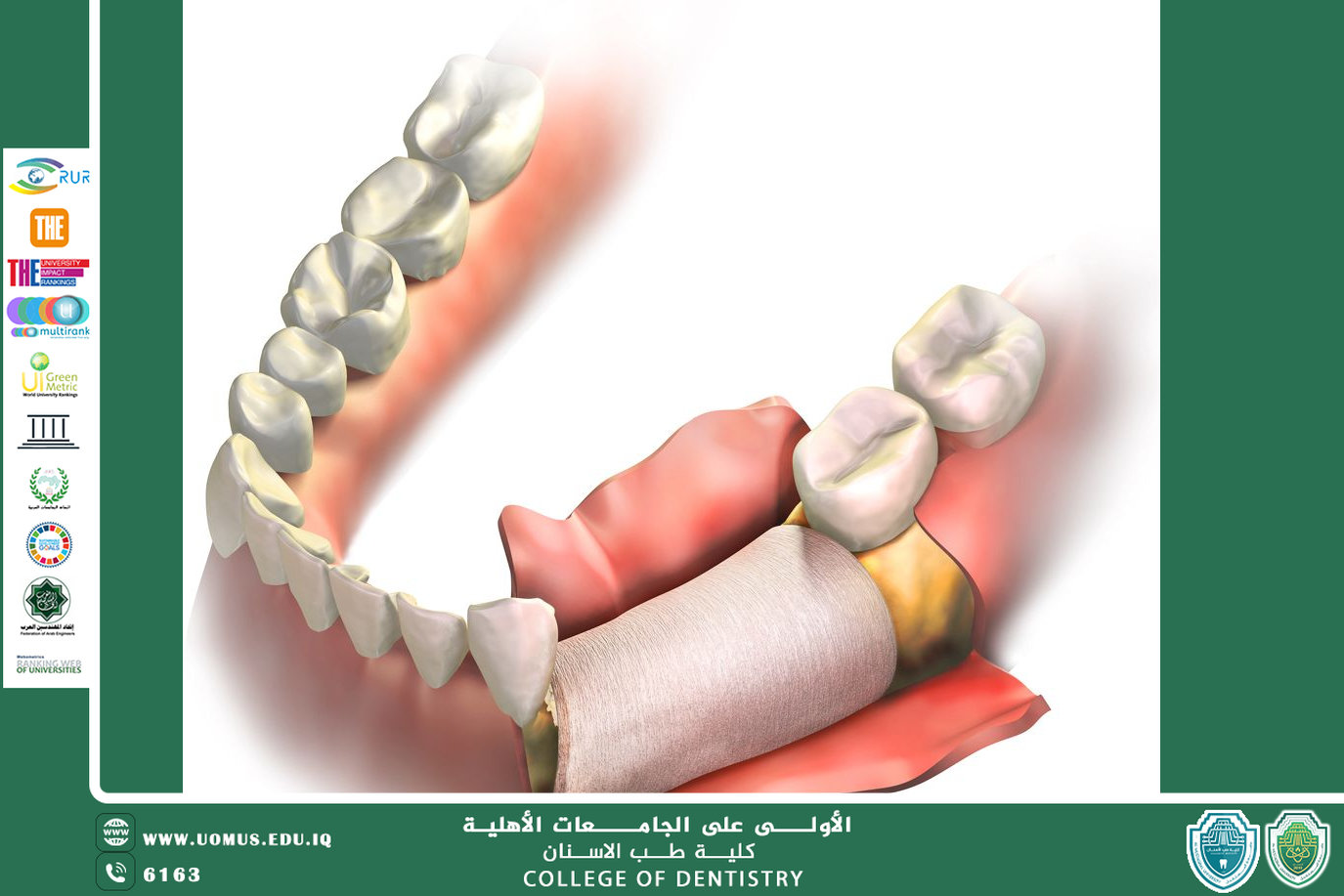
Dental materials are no longer limited to replacing lost tooth structure or restoring form and function; their role has evolved to actively interact with living tissues. This evolution has led to the emergence of bioactive materials as one of the most significant advancements in modern dentistry, transforming materials from passive substances into active participants in healing and tissue preservation.
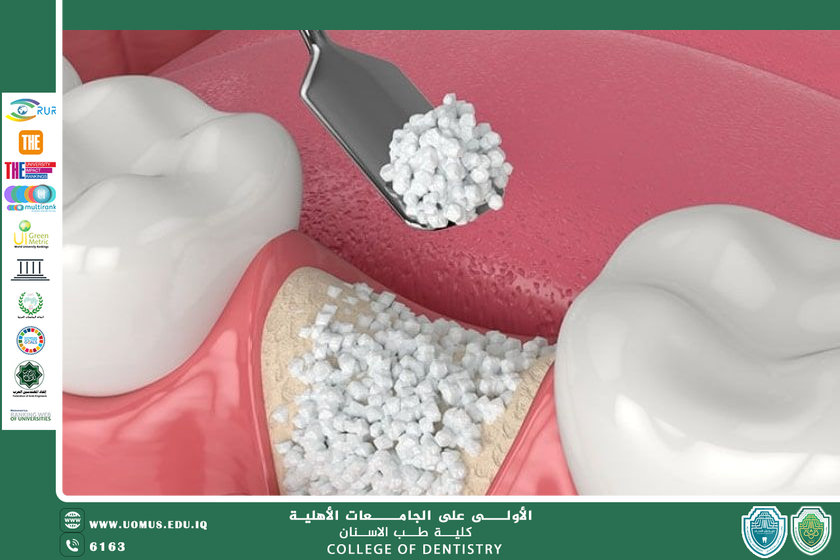
Bioactive materials are defined as materials capable of interacting with the surrounding biological environment and inducing beneficial biological responses, such as stimulating dentin remineralization, releasing calcium and fluoride ions, or forming protective layers on tooth surfaces. These properties have proven effective in limiting caries progression, enhancing biocompatibility, and increasing the longevity of dental restorations.
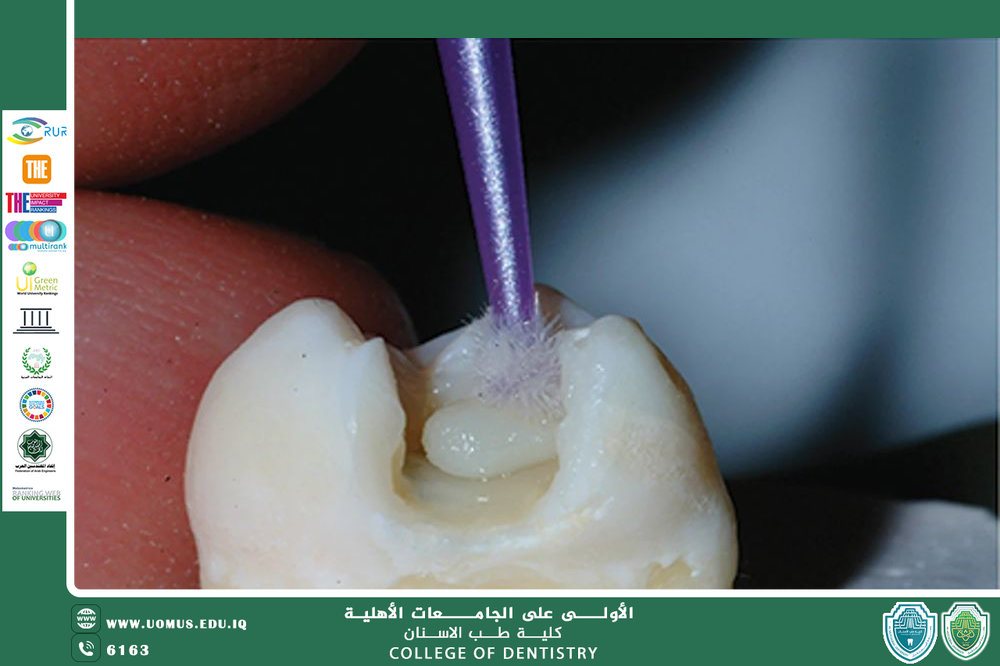
Such materials are used across various dental applications, including restorative fillings, pulp liners, temporary and permanent restorative materials, and certain adhesive systems. Glass ionomer–based materials and calcium-based bioactive materials represent well-known examples of this contemporary therapeutic approach.
The significance of bioactive materials lies in their ability to support minimally invasive dentistry. They help reduce the need for extensive surgical interventions while preserving as much natural tooth structure as possible. Moreover, they decrease the risk of clinical failure associated with marginal leakage or pulpal irritation, thereby improving patient comfort and long-term treatment outcomes.
From an educational and research perspective, bioactive materials have become a central focus in dental curricula and scientific studies, as they bridge the gap between scientific innovation and modern clinical needs. Understanding their mechanisms of action opens new opportunities for students and practitioners to adopt safer and more effective treatment strategies.
In conclusion, bioactive materials represent a progressive step toward a more intelligent and biologically interactive approach in dentistry. Treatment is no longer limited to restoration alone but extends to supporting healing processes and maintaining the health of dental tissues.