Periodontology
13/01/2026 Share :
Assistant Lecturer Dhamyaa Jabbar Ahmaid
Introduction
Periodontology is a major branch of dentistry concerned with the study of the supporting structures of the teeth and the diseases that affect them. These supporting structures, collectively known as the periodontium, include the gingiva, periodontal ligament, cementum, and alveolar bone. The primary goal of periodontology is to maintain the health, function, and aesthetics of these tissues, which are essential for tooth stability and overall oral health.
The Periodontium
The periodontium consists of four main components:
1. Gingiva: The soft tissue that surrounds the teeth and covers the alveolar bone, providing a protective barrier against mechanical and bacterial damage.
2. Periodontal Ligament: A specialized connective tissue that attaches the tooth root to the alveolar bone and absorbs occlusal forces during mastication.
3. Cementum: A calcified tissue covering the root surface of the tooth, allowing the attachment of periodontal ligament fibers.
4. Alveolar Bone: The portion of the jawbone that supports and houses the tooth sockets.
Periodontal Diseases
Periodontal diseases are inflammatory conditions primarily caused by bacterial plaque accumulation. They are broadly classified into:
- Gingivitis: A reversible inflammatory condition limited to the gingiva, characterized by redness, swelling, and bleeding on probing without loss of attachment or bone.
- Periodontitis: A more advanced and destructive disease involving inflammation of the supporting tissues, leading to attachment loss, alveolar bone resorption, and potentially tooth loss if left untreated.
Etiology and Risk Factors
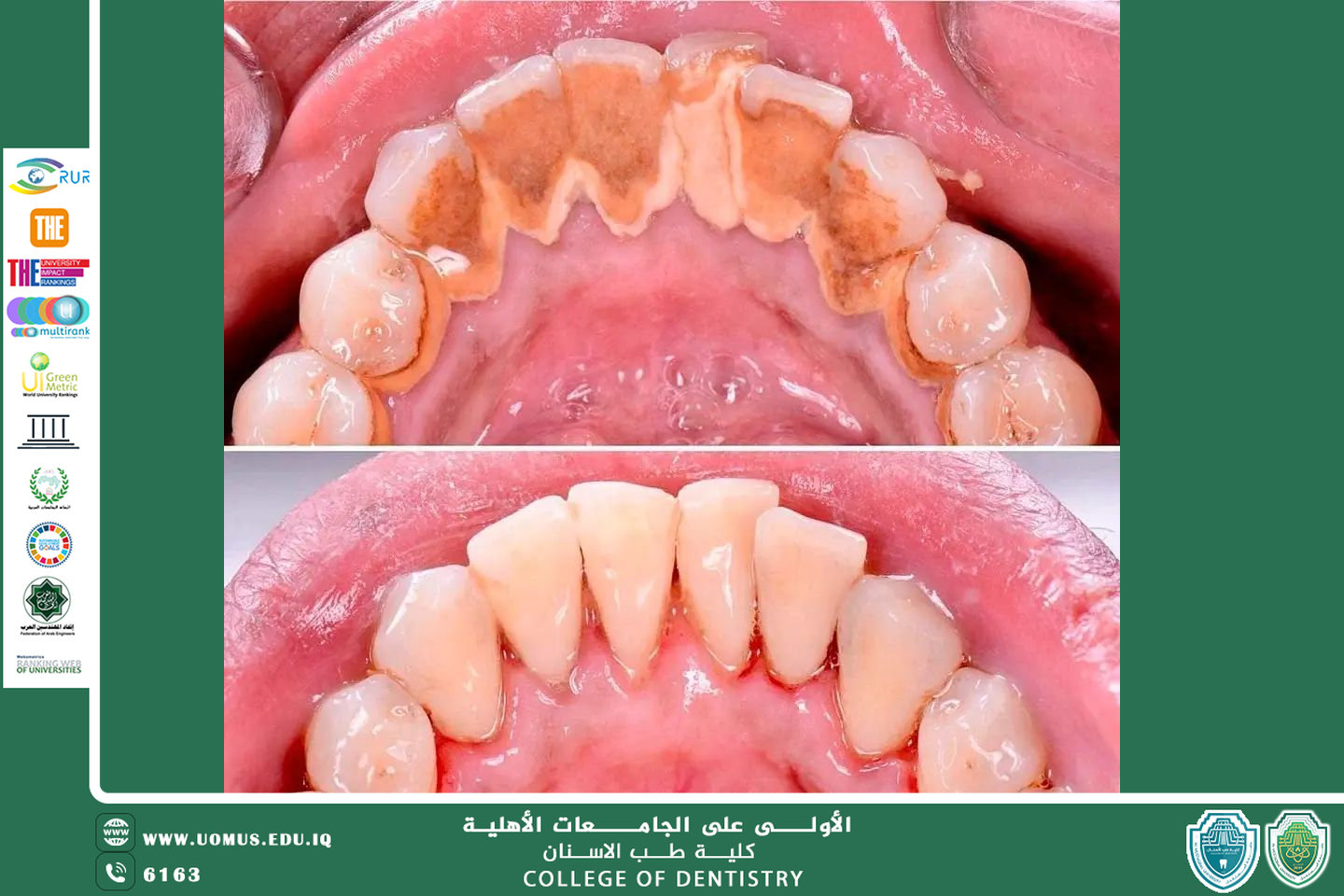
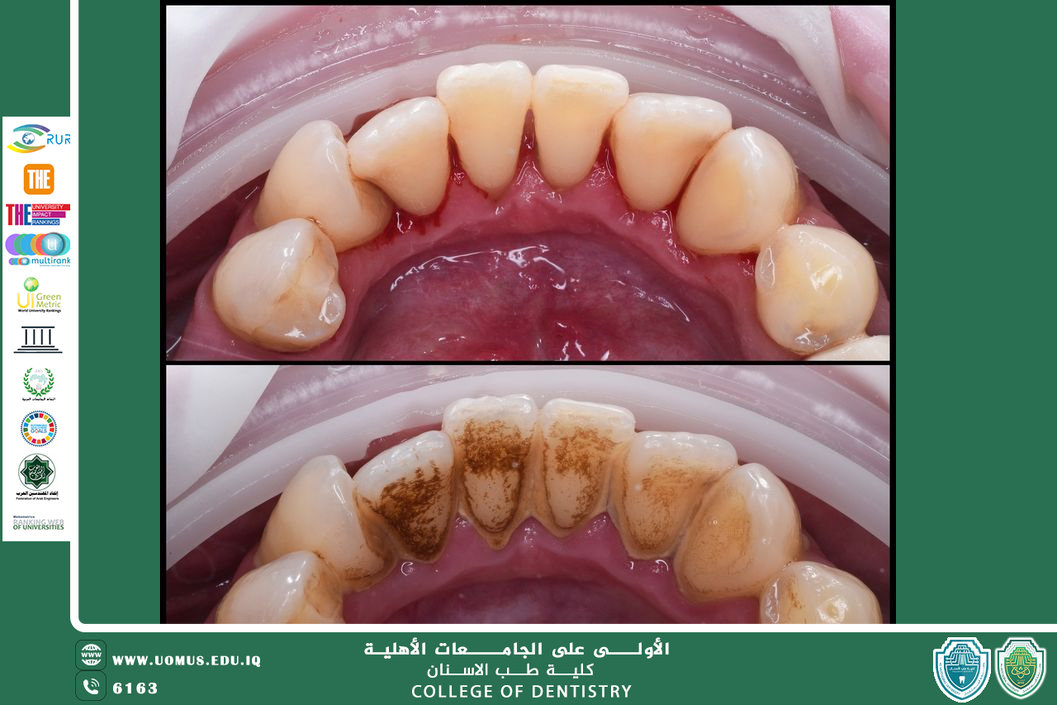
The main etiological factor in periodontal disease is dental plaque. However, several local and systemic factors can increase disease severity, including poor oral hygiene, smoking, diabetes mellitus, genetic predisposition, stress and poor nutrition, and hormonal changes.
Diagnosis of Periodontal Diseases
Diagnosis is based on clinical and radiographic evaluation. Clinical examination includes assessment of gingival inflammation, probing pocket depth, clinical attachment level, and bleeding on probing. Radiographic examination is essential to evaluate alveolar bone loss and disease progression.
Treatment of Periodontal Diseases
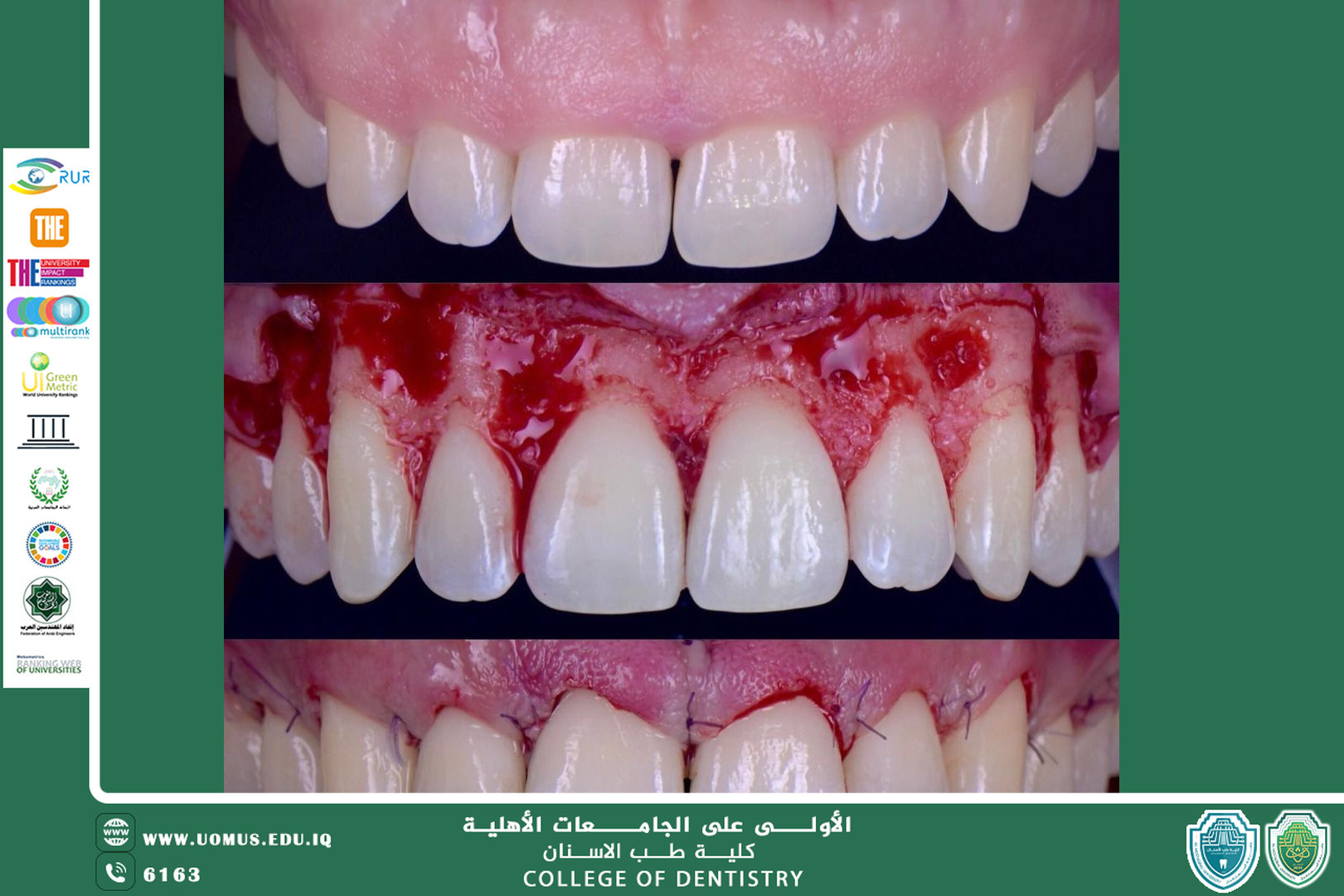
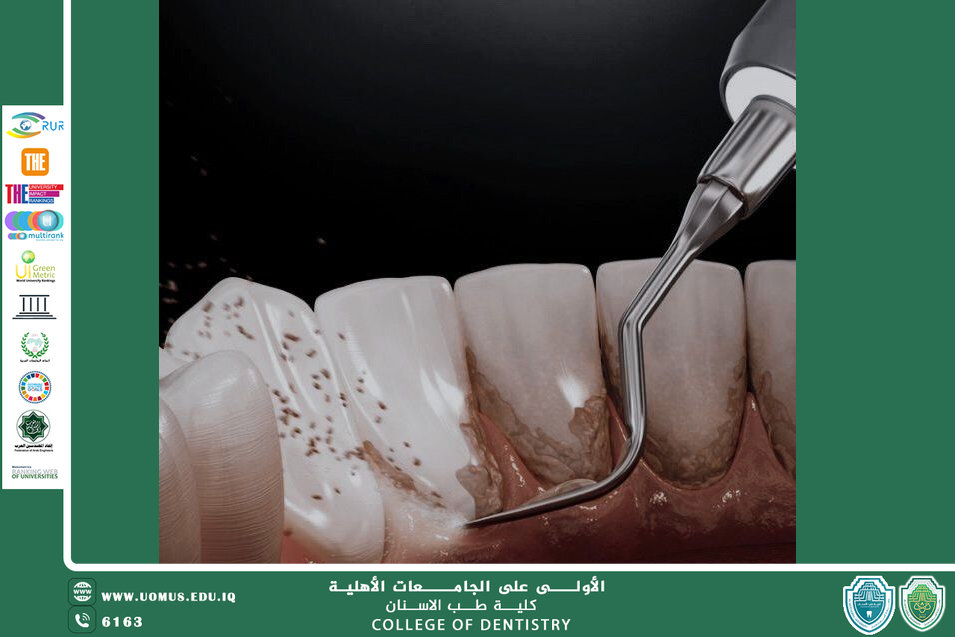
Periodontal therapy aims to control infection, halt disease progression, and restore periodontal health. Treatment modalities include non-surgical therapy such as scaling and root planing, surgical periodontal therapy in advanced cases, supportive periodontal therapy and regular maintenance, and patient education for proper oral hygiene practices.
Periodontology and Systemic Health
Recent research has demonstrated a close relationship between periodontal health and systemic conditions such as cardiovascular diseases, diabetes, and adverse pregnancy outcomes. Maintaining periodontal health is therefore an important component of overall health care.
Conclusion
Periodontology plays a critical role in dentistry, as the success of restorative and prosthetic treatments depends on the health of the supporting periodontal tissues. Early diagnosis, effective treatment, and preventive care are essential for preserving periodontal health and ensuring long-term oral and systemic well-being.