Alzheimer’s Disease
19/01/2026 Share :
Alzheimer’s disease is one of the most common neurodegenerative disorders and is the leading cause of dementia among the elderly. It is characterized by a gradual decline in memory, cognitive abilities, and behavior, significantly affecting the patient’s life, their family, and society.
Definition
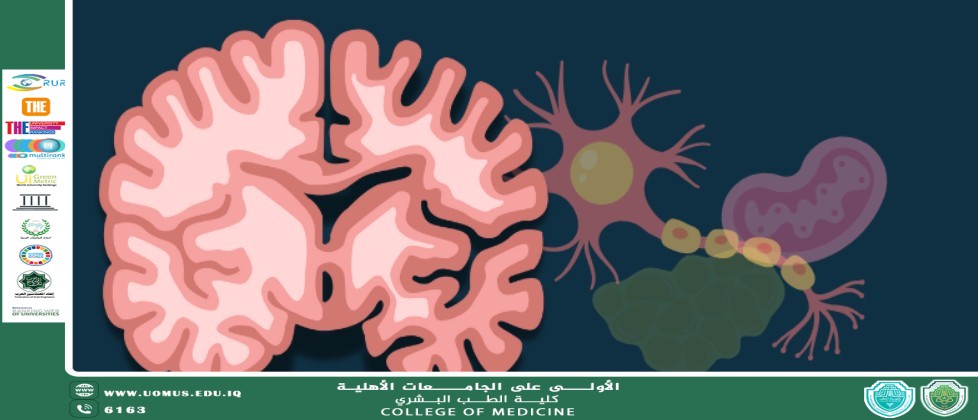
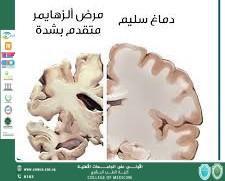
Alzheimer’s disease is a chronic brain disorder that leads to the progressive loss of nerve cells, especially in areas responsible for memory, thinking, and learning, such as the hippocampus and the cerebral cortex.
Causes
The exact cause of Alzheimer’s disease is still unknown; however, several factors are believed to contribute to its development, including:
Accumulation of beta-amyloid protein between nerve cells, forming plaques.
Formation of tau protein tangles inside nerve cells (neurofibrillary tangles).
Genetic factors, especially in early-onset cases.
Aging, which is the most significant risk factor.
Other factors such as head injuries, heart diseases, diabetes, and high blood pressure.
Symptoms
Symptoms develop gradually and can be divided into stages:
1. Early Stage:
Forgetting recent events
Difficulty remembering names
Frequently losing personal belongings
2. Middle Stage:
Speech and language difficulties
Trouble performing daily activities
Behavioral and personality changes (anxiety, depression, aggressiveness)
3. Advanced Stage:
Severe memory loss
Inability to recognize relatives
Loss of ability to move and speak
Complete dependence on others
Diagnosis
Diagnosis of Alzheimer’s disease depends on:
Medical history and clinical examination
Memory and cognitive function tests
Brain imaging (CT or MRI)
Sometimes laboratory tests to exclude other causes of dementia
Treatment
There is currently no cure for Alzheimer’s disease, but some medications help reduce symptoms and slow disease progression, such as:
Cholinesterase inhibitors (Donepezil, Rivastigmine)
Memantine
Psychological support, behavioral therapy, and providing a safe environment for the patient are also recommended.
Prevention
Although there is no guaranteed method of prevention, some measures may reduce the risk:
Regular physical activity
Continuous mental stimulation and learning
Following a healthy diet
Controlling chronic diseases
Avoiding smoking
Conclusion
Alzheimer’s disease represents a growing global health challenge. With increasing life expectancy, there is a rising need for awareness and scientific research to develop early diagnostic methods and more effective treatments, in addition to providing psychological and social support for patients and their families.