Brain Stimulants and Examination Stress: An Analysis of University Students’ Academic Behavior
21/01/2026 Share :
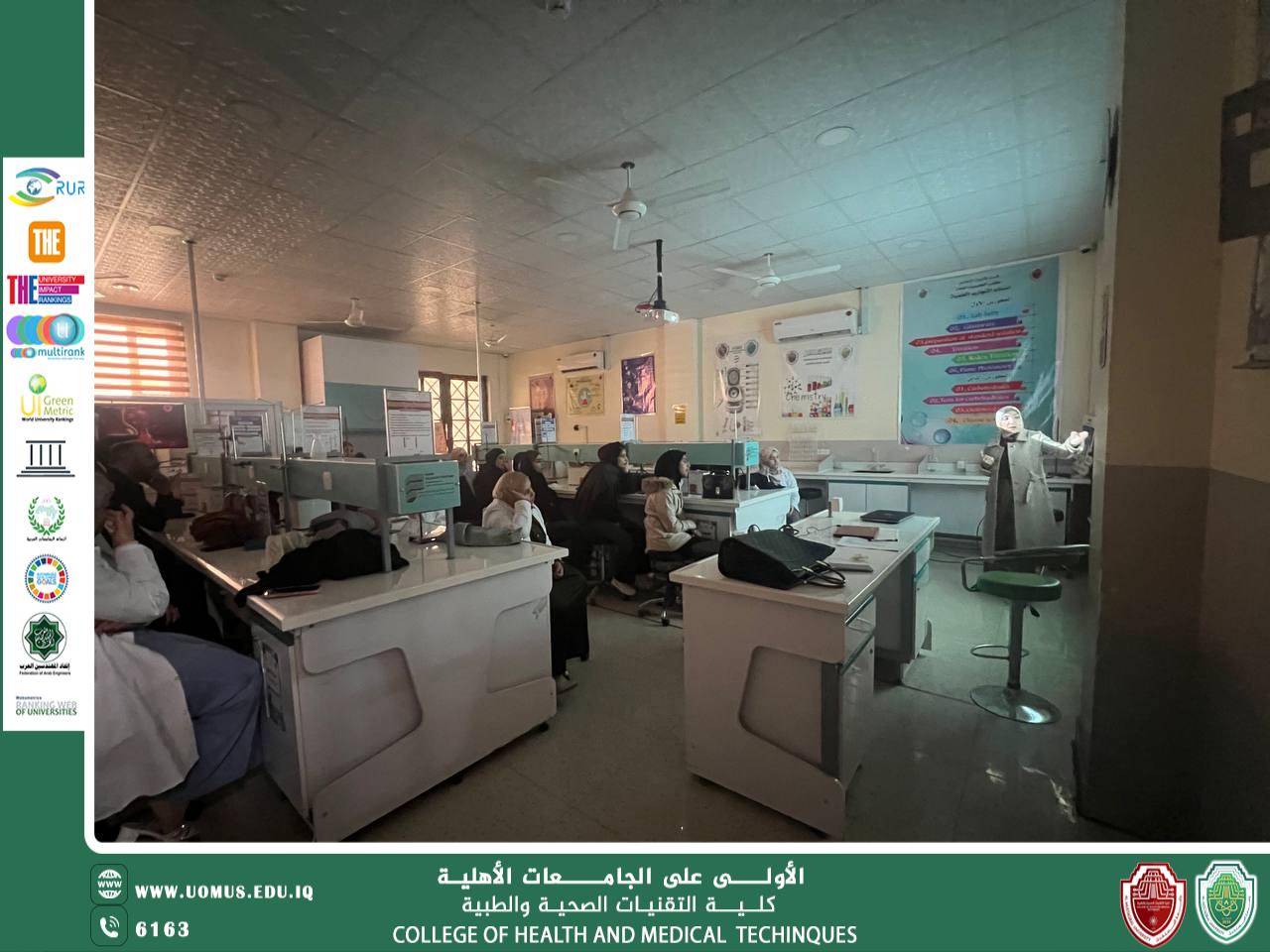
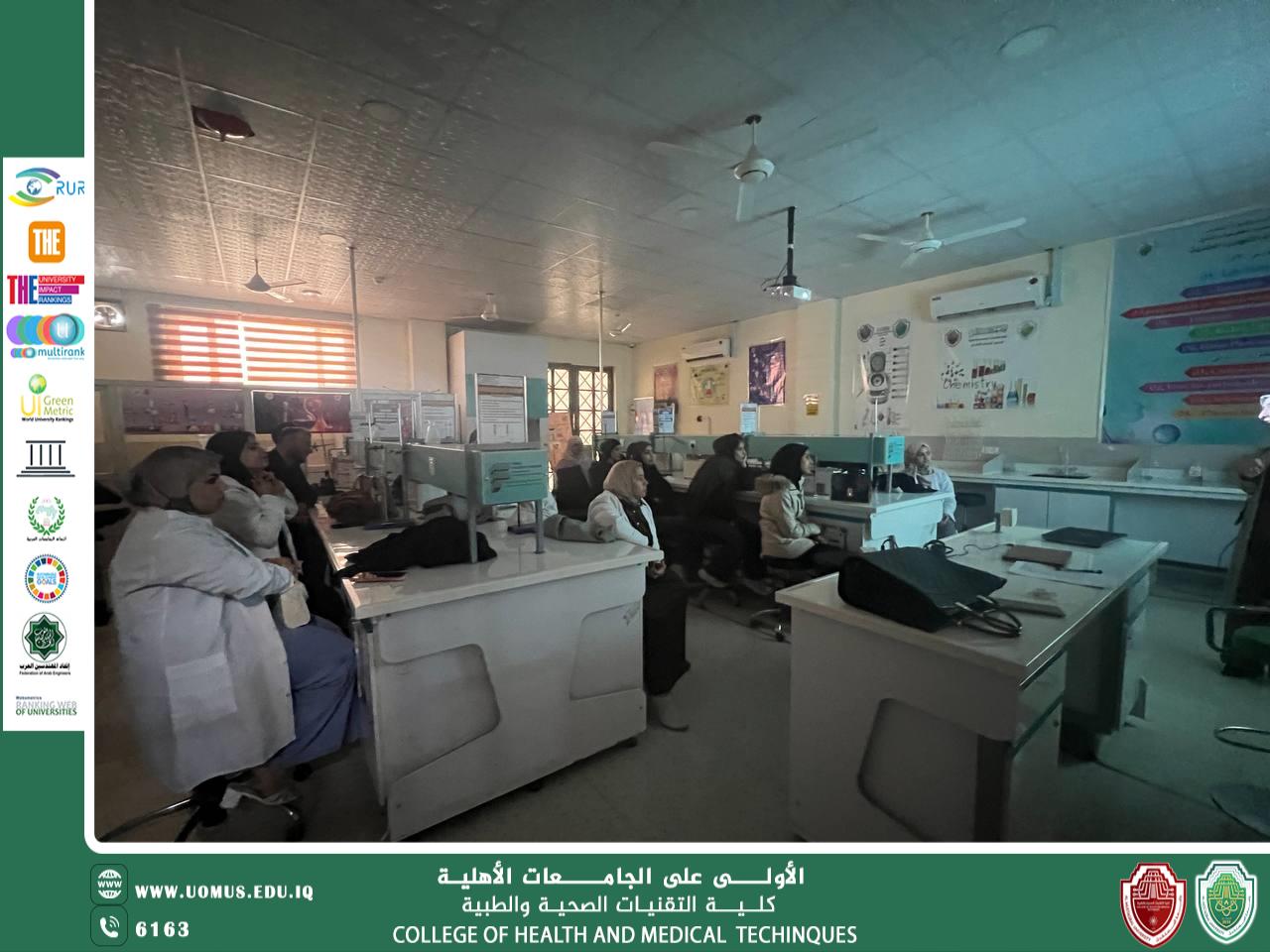
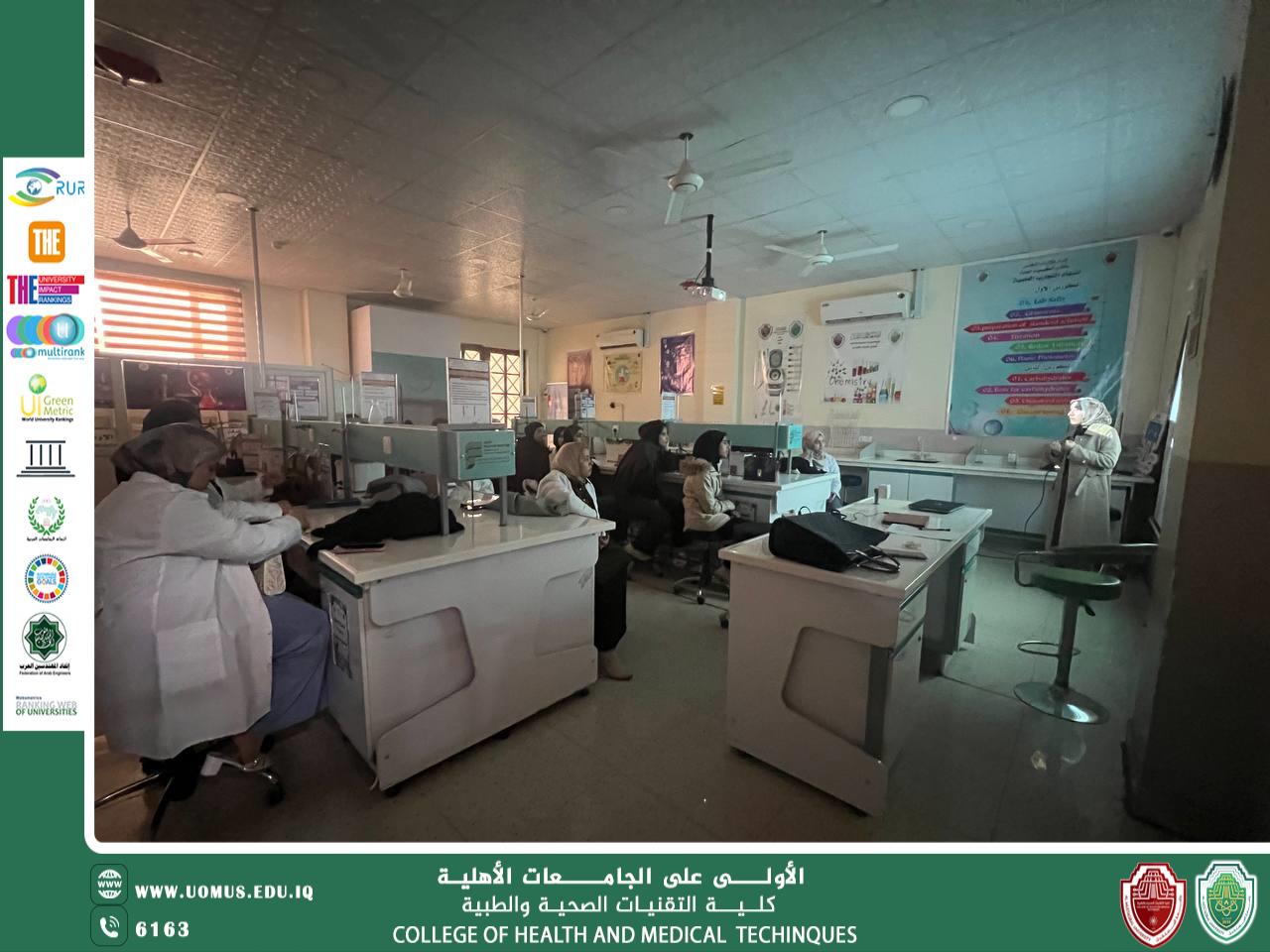
In line with the university’s efforts to support mental health and promote behavioral awareness among its students, and in accordance with the Sustainable Development Goals—particularly Goal 3 (Good Health and Well-Being)—a guidance workshop entitled “Brain Stimulants and Examination Stress: An Analysis of University Students’ Academic Behavior” was held. The workshop was prepared and delivered by Assistant Lecturer Hajar Ibrahim Hassan, Head of the Psychological Counseling and Educational Guidance Unit.
The workshop highlighted the widespread use of brain-stimulating beverages, such as coffee, tea, energy drinks, and certain stimulant supplements, especially among university students during examination periods, late-night studying, and intensive academic preparation. It discussed the common belief that these stimulants enhance concentration and attention, while also warning against the risks of excessive consumption and its potential negative effects on brain cells, mental health, and behavioral well-being.
The workshop further examined the relationship between contemporary culture and the increased consumption of brain stimulants, not merely as a biological response to the need for alertness, but as part of a broader social system that glorifies constant productivity and perpetual availability. It emphasized the importance of distinguishing between temporary energy enhancement and healthy management of mental and physical life, in line with the concepts of psychological well-being and quality of life promoted by the Sustainable Development Goals.
In addition, the workshop addressed the ethical and religious dimension of this issue, citing the Holy Qur’anic verse:
“And do not throw yourselves into destruction with your own hands”
(Qur’an 2:195),
highlighting its indication that excessive engagement in any behavior that harms physical or mental health constitutes a negative practice that should be avoided, even if it is socially common or widely accepted.
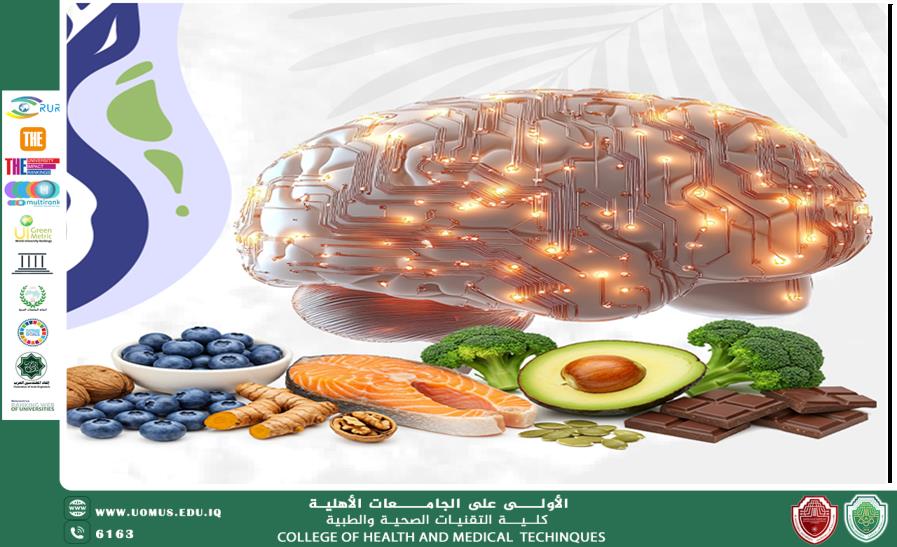
At the conclusion of the workshop, healthy alternatives for brain stimulation were presented, including:
Regulating sleep with an average of 7–8 hours per day.
Adopting a balanced diet rich in fruits, vegetables, and nuts, along with adequate water intake.
Engaging in physical activity, such as daily walking and light exercises.
Managing time effectively by adopting proper study techniques and task organization.
The workshop concluded by emphasizing the importance of adopting healthy and sustainable lifestyles that enhance academic performance while preserving students’ mental and physical health, thereby contributing to the achievement of Sustainable Development Goal 3.
AL-Mustaqbal University
The First University in Iraq