Common Diseases in Productive Animals and Methods of Prevention
25/01/2026 Share :
Common Diseases in Productive Animals and Methods of Prevention
Lect. Assist. Rasha Fajr Kazzar
Introduction
The health of productive animals is one of the main factors in the success of livestock production projects. Diseases directly affect production efficiency and the quality of animal products such as milk and meat, in addition to the economic losses incurred by breeders. Therefore, identifying common diseases and applying appropriate preventive measures is essential for maintaining herd health.
⸻
First: Bacterial Diseases
1. Foot-and-Mouth Disease (FMD)
• Symptoms: Ulcers in the mouth and tongue, lameness, decreased milk production.
• Prevention: Regular vaccination, preventing the entry of infected animals, and applying biosecurity measures.
2. Bovine Tuberculosis
• Symptoms: Gradual weight loss, chronic cough, general weakness.
• Prevention: Periodic testing, isolation of infected animals, and proper disposal.
3. Brucellosis (Contagious Abortion)
• Symptoms: Recurrent abortion, reduced fertility.
• Prevention: Vaccination, continuous testing, and preventing mixing with untested animals.
⸻
Second: Viral Diseases
4. Peste des Petits Ruminants (PPR)
• Symptoms: High fever, diarrhea, high mortality rate.
• Prevention: Regular vaccination and control of animal movement.
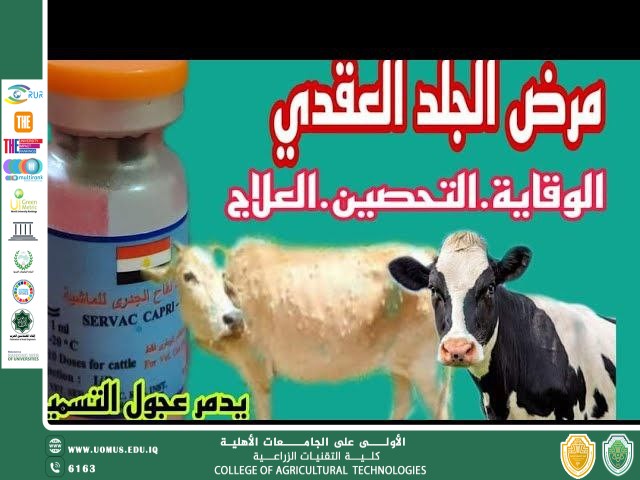
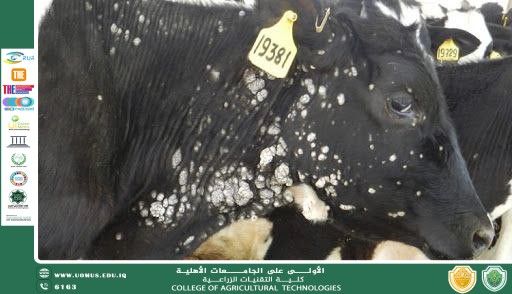
5. Lumpy Skin Disease
• Symptoms: Skin nodules, fever, decreased production.
• Prevention: Control of insect vectors, vaccination, and improving general hygiene.
⸻
Third: Parasitic Diseases
6. Internal Parasites (Worms)
• Symptoms: Poor growth, anemia, diarrhea.
• Prevention: Regular deworming programs and proper pasture management.
7. External Parasites (Ticks, Lice)
• Symptoms: Itching, skin lesions, transmission of diseases.
• Prevention: Periodic spraying with suitable insecticides and cleaning animal housing.
⸻
Fourth: Nutritional and Metabolic Diseases
8. Vitamin and Mineral Deficiencies
• Symptoms: Weak immunity, deformities, reduced fertility.
• Prevention: Providing balanced and fortified diets.
9. Rumen Acidosis
• Symptoms: Loss of appetite, digestive disorders.
• Prevention: Proper ration formulation and avoiding sudden increases in concentrated feeds.
⸻
Fifth: General Preventive Measures
• Implementing regular vaccination programs.
• Quarantine of newly introduced or sick animals.
• Improving hygiene and disinfection in animal housing.
• Providing balanced nutrition and clean water.
• Regular veterinary follow-up.
• Applying biosecurity principles.
⸻
Conclusion
Disease prevention in productive animals is less costly and more effective than treatment. It contributes to improving production efficiency and achieving sustainability in the livestock sector. Both breeders and veterinary professionals share responsibility in implementing preventive measures to maintain herd health and increase economic returns.
Al-Mustaqbal University… the leading private university in Iraq.