The Impact of Studying Languages in General, and Arabic in Particular, on the Development of Human Cognitive, Emotional, and Cultural Abilities
25/01/2026 Share :
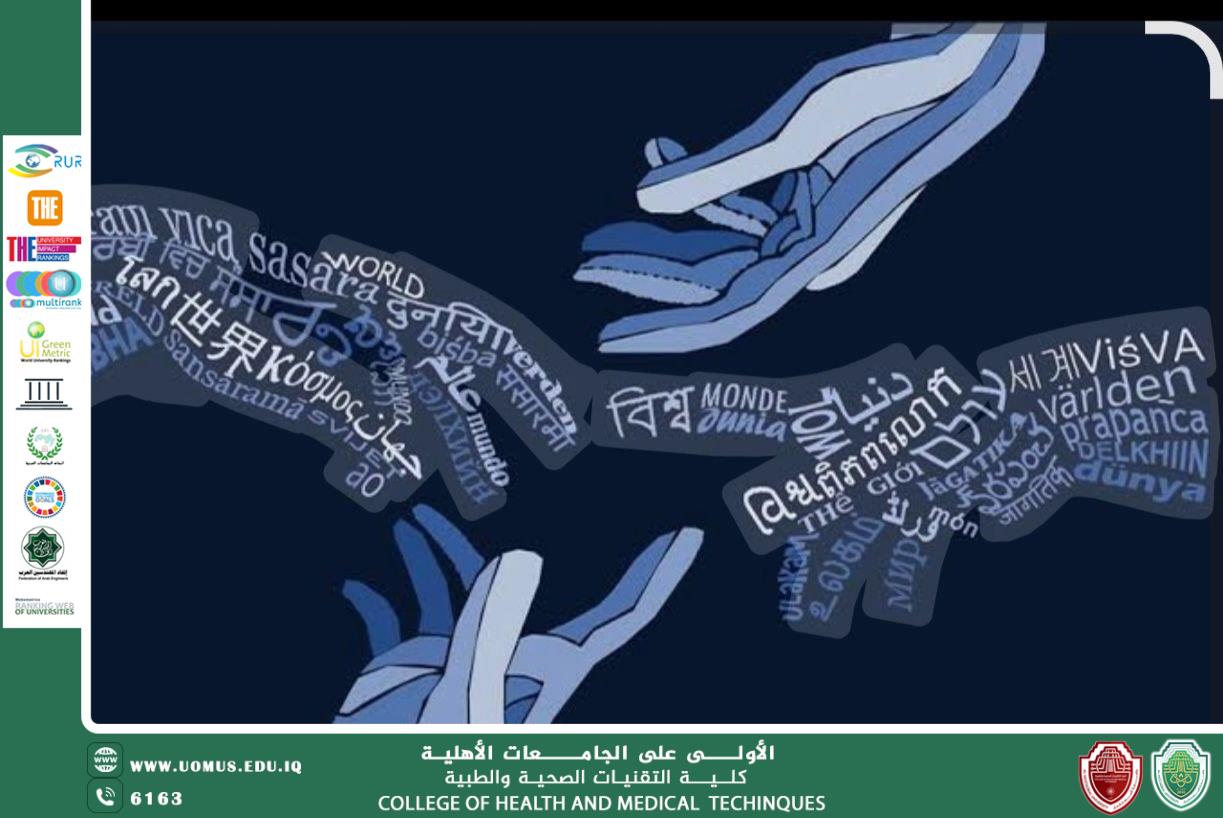
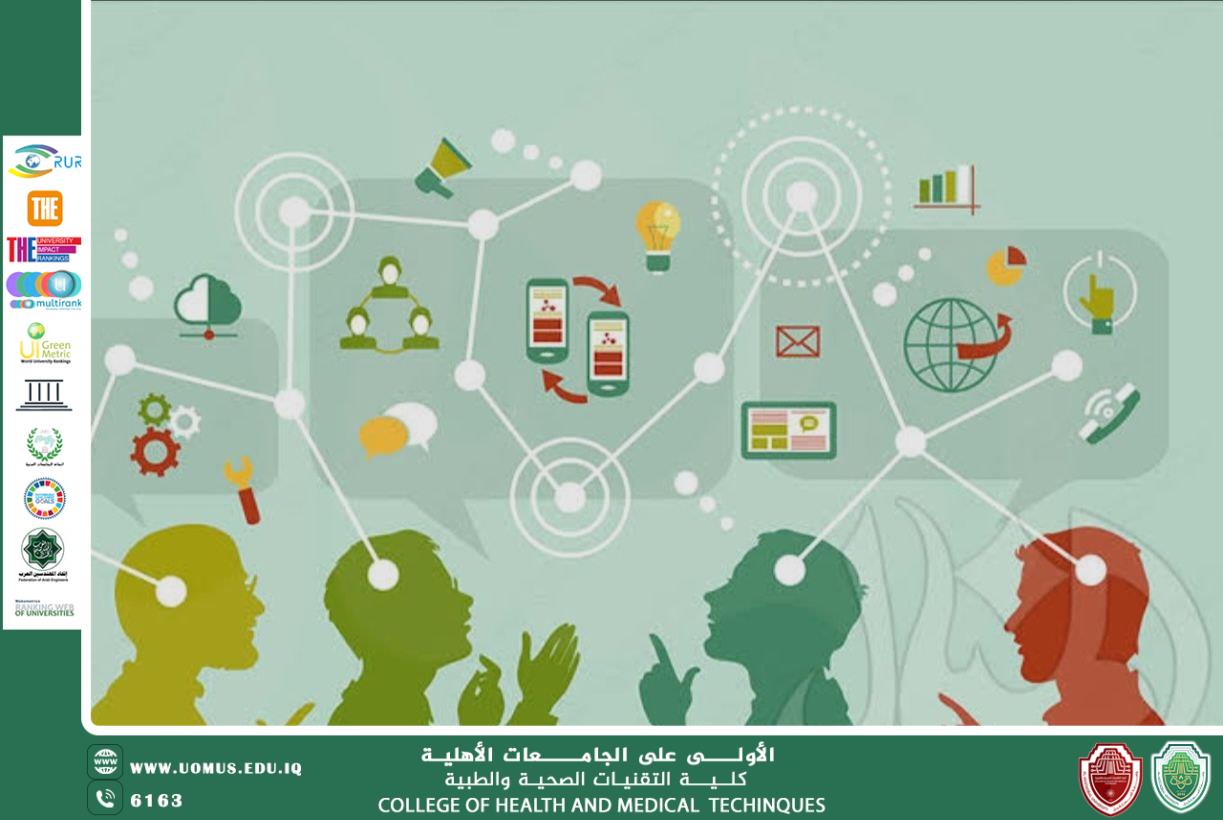
The study of languages is considered one of the most important means of developing human personality and building various capacities. Its function is not limited to communication alone; it extends to shaping thought and refining awareness. Language enhances cognitive abilities by training the mind in analysis, inference, and organization of ideas, while also improving the ability to express oneself accurately and understand multiple meanings. This, in turn, positively influences logical thinking and problem-solving skills.
Studying languages also contributes to the development of emotional and cultural dimensions. It opens learners’ horizons to the cultures and human experiences of different peoples, instills values of tolerance and acceptance of others, and cultivates mental flexibility as well as greater social interaction skills, in addition to enhancing self-confidence.
Arabic, in particular, represents a fundamental pillar in building civilizational identity and consolidating cultural belonging, due to its rich historical legacy and intellectual heritage. Arabic is distinguished by its derivational system and semantic richness, which contribute to the development of sound thinking and precise expression. It equips learners with the ability to distinguish subtle meanings and formulate ideas clearly and balancedly.
Moreover, Arabic nurtures literary and rhetorical taste and enhances the aesthetic appreciation of texts. It also enables learners to deeply understand religious and heritage texts, foremost among them the Holy Qur’an and the Prophetic Hadith, positively impacting intellectual and moral formation.
In conclusion, the study of languages in general, and Arabic in particular, plays a crucial role in cultivating an aware mind, a balanced personality, articulate expression, and a well-established identity that combines authenticity and openness. Thus, language becomes a fundamental element in the advancement of both individuals and society.
Al-Mustaqbal University
The First University in Iraq