The Future of Clinical Care: Technological Innovations in Adult Nursing Units
01/02/2026 Share :
In the light of the rapid technological acceleration of the 21st century, nursing is no longer merely a profession reliant on manual skills and traditional care. Instead, it has evolved into a unique fusion of the "touch of compassion" and "machine intelligence". In adult nursing units, where medical cases are complex and pressures are mounting, technological innovations are emerging as a lifeline to enhance care efficiency and mitigate human error.
1.Artificial Intelligence: The Digital Assistant That Never Sleeps
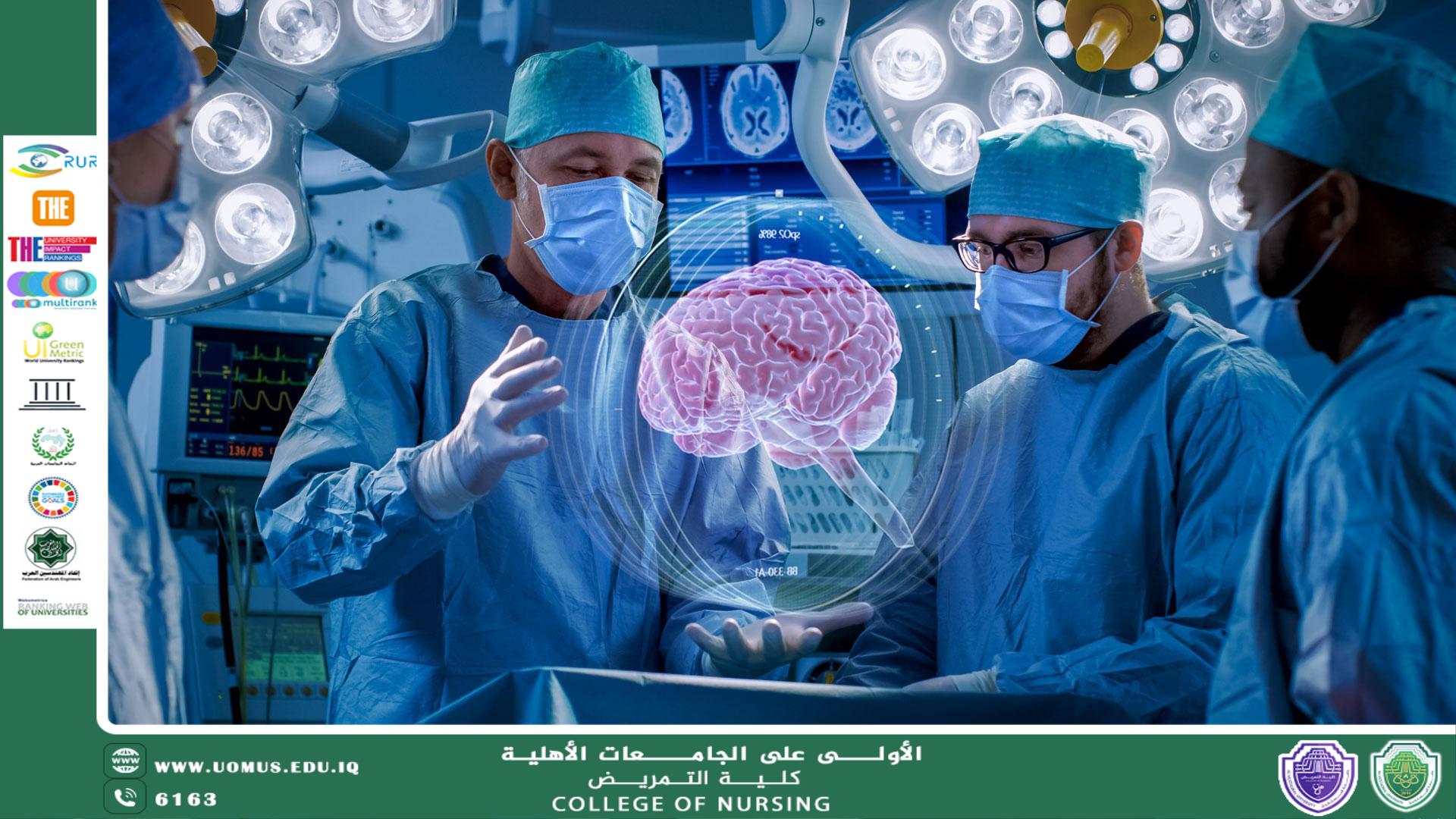
Artificial Intelligence (AI) is no longer a matter of science fiction; it has become an integral part of the "clinical consciousness" within hospital departments. By analyzing massive amounts of patient data, smart systems can now:
Predict Crises: Forecast the onset of septic shock (Sepsis) or cardiac arrest hours before they occur through precision monitoring of vital signs.
Personalize Care Plans: Assist nurses in developing therapeutic plans tailored to the unique physiological response of each individual patient.
2.The Internet of Medical Things (IoMT) and Wearable Devices
Adult nursing units are transforming into "smart units". Wearable devices allow nurses to monitor dozens of patients simultaneously via a central screen or even a smartphone, providing:
Continuous monitoring of heart rate, oxygen levels, and blood pressure without restricting the patient's movement with complex wires.
Immediate alerts the moment any abnormality occurs, significantly reducing response times in emergency situations.
3.Virtual Reality (VR) and Augmented Reality (AR)
These technologies have made a powerful entry into two primary areas:
Nurse Training: Simulating complex surgical procedures or emergency interventions in a completely safe virtual environment.
Adult Pain Management: Utilizing VR to distract patients during painful procedures (such as deep wound dressing), thereby reducing the need for potent analgesics.
4.Smart Electronic Health Records (Interoperability)
Electronic records have moved beyond being mere data repositories; today, they ensure a seamless flow of information between departments. This innovation reduces "documentation fatigue" for nurses, granting them more time to focus on the human and clinical aspects of patient care.
5.Service Robotics and Telemedicine
In crowded departments, robots have begun taking over logistical tasks—such as transporting medications or laboratory samples—allowing nurses to direct their energy toward direct patient care. Furthermore, "telemedicine" within hospitals enables consultation with experts in specialized disciplines without the need to move the patient from their bed.
Conclusion
The future of clinical care in adult nursing does not aim to replace the nurse with a machine; rather, it seeks to "empower the nurse". While technology is the tool that provides us with precision, the nurse's heart and mind remain the fundamental engines of the healing process. Embracing these innovations is not an option, but a necessity to ensure safe, smart, and comprehensive healthcare
University of Al-Mustaqbal – The First University in Iraq
الهدف الثالث من اهداف التنمية المستدامة -الصحة الجيدة والرفاه