The Deputy Dean writes a scientific article entitled "Cultural and Environmental Heritage in Iraq and its Role in Achieving Sustainable Development."
04/02/2026 Share :
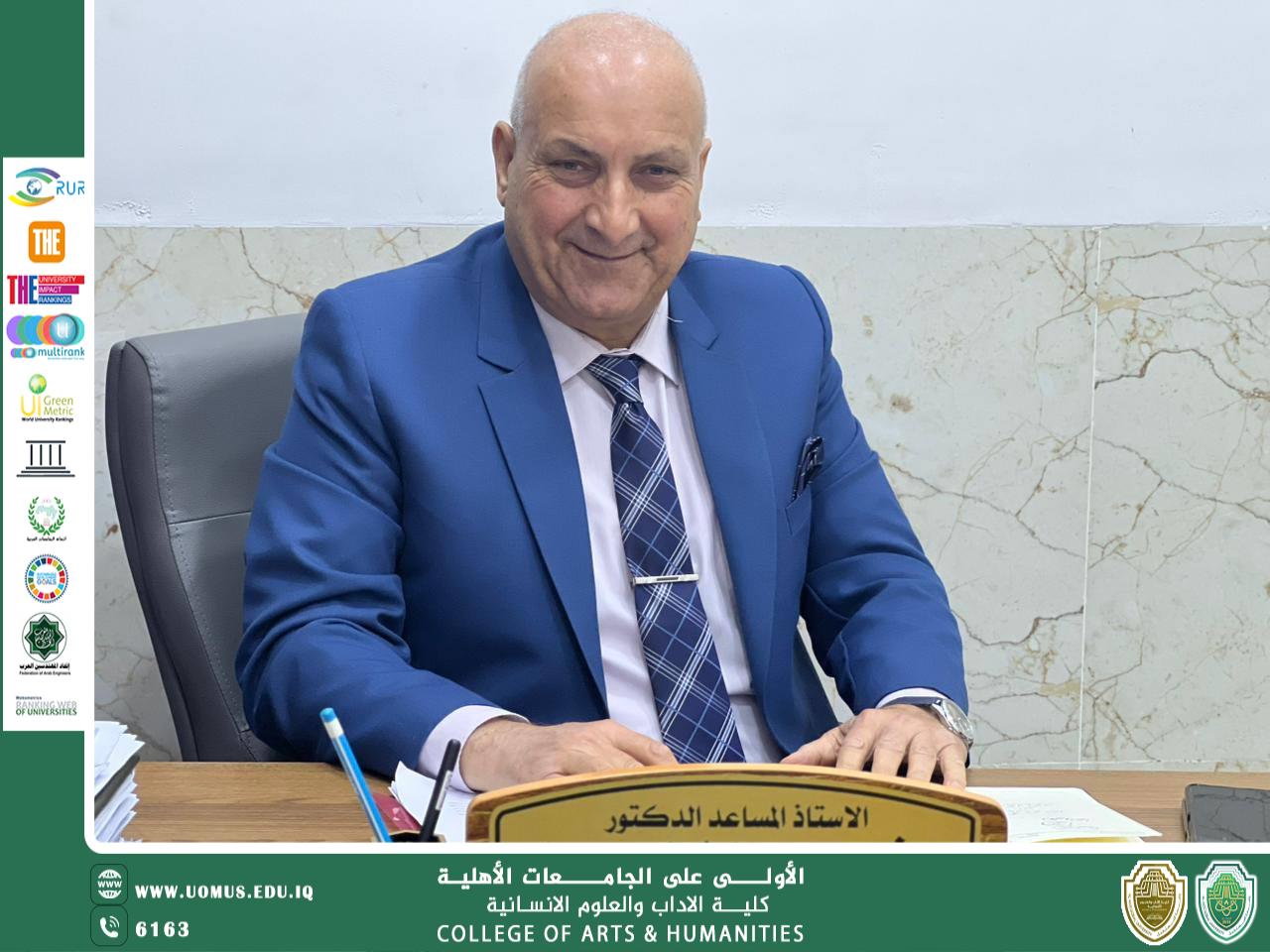
The Assistant Dean for Scientific Affairs, Assistant Professor Dr. Maitham Abdul Khader Jabbar, wrote a scientific article entitled "Cultural and Environmental Heritage in Iraq and its Role in Achieving Sustainable Development," which included the following:
Iraq is one of the richest countries in the world in terms of cultural and environmental heritage, combining ancient archaeological sites, traditional lifestyles, and diverse natural environments that have historically formed the basis of civilizational and economic stability. The importance of this heritage is not limited to its historical value, but also extends to its role in supporting sustainable development by preserving resources, strengthening national identity, and achieving a balance between humans and the environment. In light of the current environmental and economic challenges, the need to utilize cultural and environmental heritage as a fundamental pillar in the path of sustainable development in Iraq is emerging.
Research Text
First: Cultural and Environmental Heritage in Iraq
Iraqi cultural heritage includes tangible inheritances, such as archaeological sites and historical cities, as well as intangible heritage represented by customs, traditions, and folk arts. Environmental heritage is embodied in the marshes, rivers, and traditional agricultural systems that Iraqis have relied upon since ancient times. This heritage has formed an integrated system that has contributed to the sustainability of economic and social life throughout the ages.
Second: The Relationship between Heritage and Environment in Iraqi Civilization
The ancient Iraqi was closely linked to his environment, developing lifestyles that respect environmental balance, such as seasonal agriculture, regulated water use, and the construction of settlements in harmony with nature. This interaction contributed to creating a civilizational model based on utilizing resources without depleting them, which intersects with modern concepts of sustainable development.
Third: Heritage as a Sustainable Economic Resource
Cultural and environmental heritage represents an important economic resource that can be employed to support sustainable development, especially through cultural and environmental tourism. Investing in archaeological sites, marshes, and traditional crafts in a well-planned manner contributes to revitalizing the local economy and providing job opportunities, while preserving the cultural and environmental uniqueness of Iraqi society.
Fourth: Challenges and Means of Sustainable Protection
Iraqi heritage faces many challenges, including neglect, unplanned urban expansion, and climate change. Preserving this heritage requires adopting sustainable policies based on legal legislation, community awareness, and the involvement of local communities in protection and investment processes, ensuring the sustainability of the heritage for future generations.
Conclusion
The research shows that cultural and environmental heritage in Iraq is a central element in achieving sustainable development, due to its civilizational, economic, and environmental dimensions. Preserving and investing in this heritage in a balanced way contributes to strengthening national identity, supporting the economy, and protecting the environment. Hence, the need to integrate heritage into development plans as a fundamental pillar for building a sustainable Iraqi future emerges.
Sources
United Nations, Sustainable Development Goals 2030.
UNESCO, Cultural Heritage and Sustainable Development.
Saleh Ahmed Al-Ali, Lectures in the History of Ancient Iraq.
Ali Al-Wardi, Social Glimpses from the History of Modern Iraq.
Reports of the Iraqi Ministry of Culture and Environment.
Al-Mustaqbal University is the first among private universities.
جامعة المستقبل