
The Role of E-Learning Platforms in Developing Students’ Self-Directed Learning Skills
15/02/2026 Share :
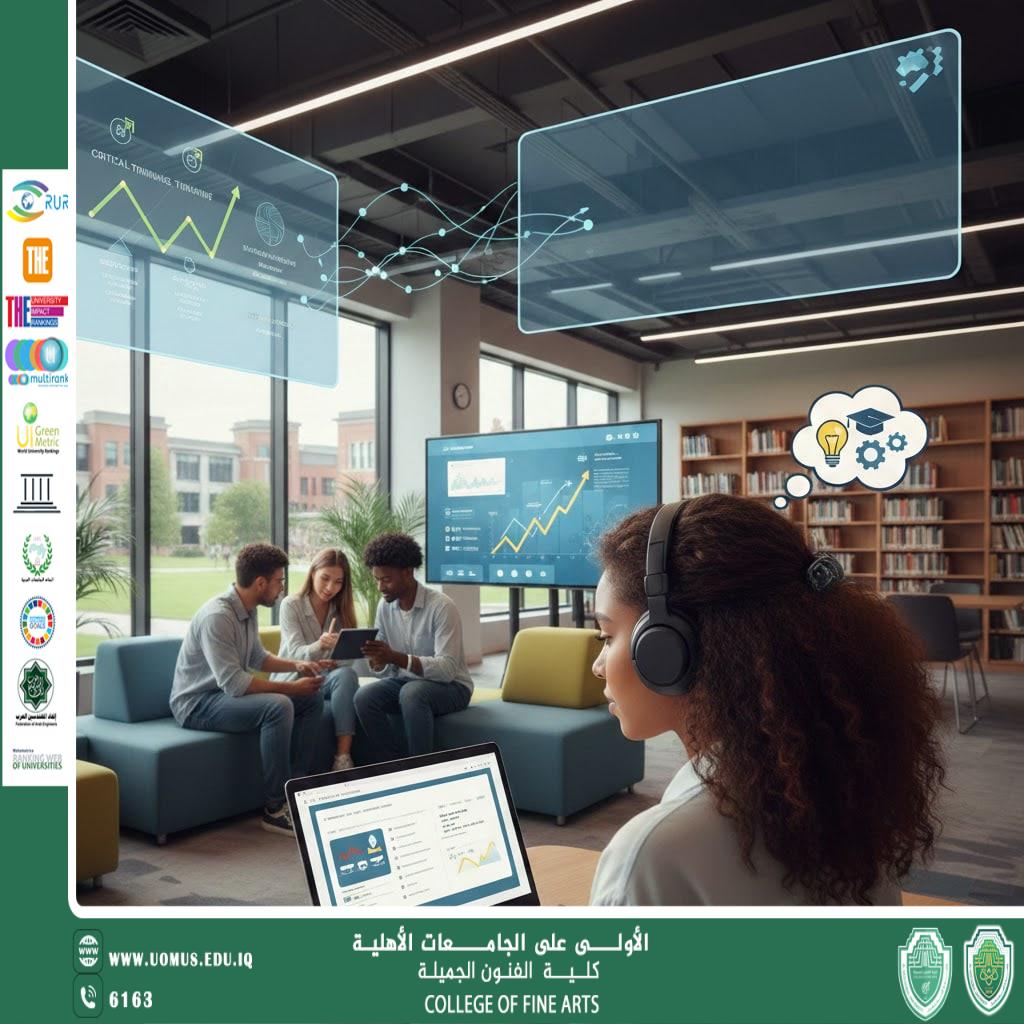
In recent years, education has undergone a significant transformation due to rapid digital technological development, and e-learning platforms have become an essential component of modern education. These platforms have shifted learning beyond the limitations of time and place, allowing students to access knowledge anytime and anywhere. As a result, students’ independence has increased, and their self-directed learning skills have improved.
An e-learning platform can be defined as an integrated digital learning environment that provides various educational tools, including digital content such as texts, videos, and presentations, interactive tools like discussion forums and live sessions, and assessment features such as online quizzes, progress reports, and feedback systems. This environment enables students to learn at their own pace and according to their personal learning style, which enhances their responsibility toward their education and encourages initiative and exploration.
Self-directed learning skills are fundamental to sustainable learning. They include the ability to set learning goals according to personal and academic needs, manage time and resources effectively, apply critical thinking in problem-solving and decision-making, and evaluate performance continuously without complete reliance on the teacher. E-learning platforms strengthen these skills by providing flexible access to learning materials, encouraging research and inquiry through diverse digital resources, and creating interactive environments that motivate engagement and experimentation.
Immediate feedback features in these platforms also help students identify their strengths and weaknesses, supporting continuous improvement. However, challenges such as limited self-discipline among some learners or restricted access to internet services and digital devices may arise. These challenges can be addressed through reminder and monitoring tools within platforms, training programs on time management skills, and adopting blended learning models that combine online and traditional instruction.
In conclusion, e-learning platforms represent an effective tool for enhancing students’ self-directed learning skills and improving educational quality. By offering flexible and stimulating learning environments, they empower students to take responsibility for their learning. Educational institutions should therefore invest in interactive digital content and training programs that foster self-directed learning, supporting lifelong learning and the development of a knowledge-based society.
Almustaqbal University, The First University in Iraq.
الهدف الرابع (التعليم الجيد)