
The Role of Oxidative Stress in the Development of Chronic Diseases
16/02/2026 Share :
Introduction
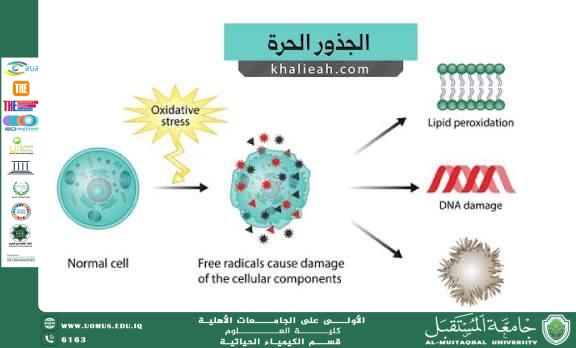
Oxidative stress is a biological condition that occurs when there is an imbalance between the production of free radicals and the body’s ability to neutralize them through antioxidant defense systems. Free radicals are unstable molecules that can react with and damage essential cellular components such as lipids, proteins, and DNA, leading to cellular dysfunction.
Sources of Free Radicals
Free radicals are continuously generated in the body as a result of normal metabolic processes such as cellular respiration and immune responses. However, excessive exposure to environmental factors like air pollution, cigarette smoking, radiation, unhealthy diet, psychological stress, and toxic chemicals can significantly increase their production.
Oxidative Stress and Chronic Diseases
Prolonged oxidative stress plays a critical role in the development of many chronic diseases. It has been associated with cardiovascular diseases, diabetes mellitus, cancer, and neurodegenerative disorders such as Alzheimer’s and Parkinson’s diseases. These diseases develop due to cumulative oxidative damage that promotes inflammation, tissue injury, and loss of normal cellular functions.
Role of Antioxidants
Antioxidants are molecules that protect the body from oxidative damage by neutralizing free radicals. They include enzymatic antioxidants such as superoxide dismutase, catalase, and glutathione peroxidase, as well as non-enzymatic antioxidants such as vitamin C, vitamin E, carotenoids, and polyphenols.
Importance of a Healthy Lifestyle
A healthy lifestyle plays a vital role in reducing oxidative stress. A diet rich in fruits and vegetables provides natural sources of antioxidants. In addition, regular physical activity, sufficient sleep, stress management, and avoiding smoking and alcohol consumption contribute significantly to minimizing oxidative damage.
Conclusion
Oxidative stress represents a major biochemical mechanism involved in the pathogenesis of chronic diseases. Understanding its biological impact emphasizes the importance of preventive strategies based on healthy nutrition, lifestyle modifications, and early medical interventions to maintain human health.