Geometric Shapes and Their Functional and Aesthetic Impact on Interior Furniture Design
22/02/2026 Share :
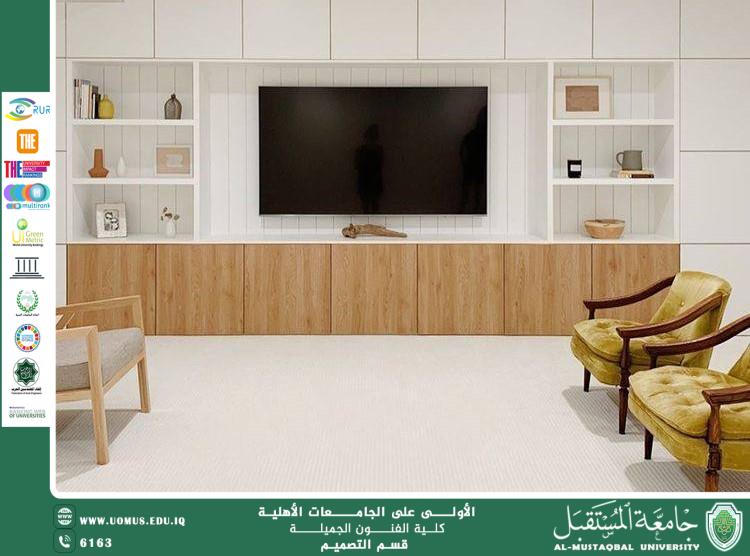
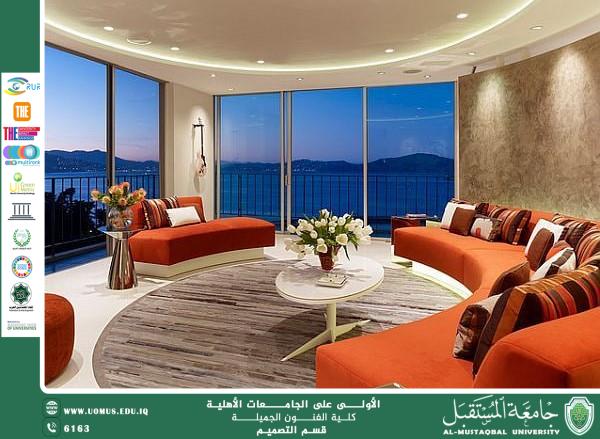
Geometric shapes form the structural foundation of interior furniture design, defining the relationship between mass and space while directly influencing both the visual and functional experience of the user. Rectangular shapes convey stability and organization, while circular forms suggest fluidity and connectivity, making them ideal for residential spaces and environments that require smooth movement.
Geometry contributes to user comfort through carefully calculated dimensions based on ergonomics and helps achieve visual balance and even distribution of loads. Furniture based on square or rectangular forms enhances a formal atmosphere and imparts a sense of order, whereas curved forms introduce vitality and fluidity, creating a friendly and comfortable environment.
The golden ratio plays a key role in achieving aesthetic harmony, and geometric repetition enhances visual coherence within a space. In contemporary design, irregular shapes are used to highlight uniqueness and innovation, though they require precise structural planning to ensure stability and safety.
Geometry also affects ease of movement within a space, ensuring that furniture does not obstruct circulation, and it determines the furniture’s stackability or mobility. In small spaces, simple shapes are preferred to reduce visual complexity, while in open areas, larger forms can be used to create visual impact and depth.
Material choice influences the geometric possibilities of furniture, as some materials allow precise curves while others impose strict structural constraints. The relationship between shape and function is integrative, with aesthetic appeal inseparable from performance. Furniture acts as a miniature embodiment of architectural philosophy, and its geometry shapes the user’s daily experience and the overall quality of the interior space.
Almustaqbal University, The First University in Iraq.