The Relationship Between Gum Health and Tooth Stability
16/02/2026 Share :
Many people assume that the strength of teeth depends solely on the hardness of their structure. However, the deeper truth lies in the tissues that surround and support them. Healthy gums are not merely a cosmetic frame for a smile; they are an essential component of the system that anchors teeth within the bone. Without stable periodontal health, tooth stability becomes compromised—even if the teeth themselves appear intact.
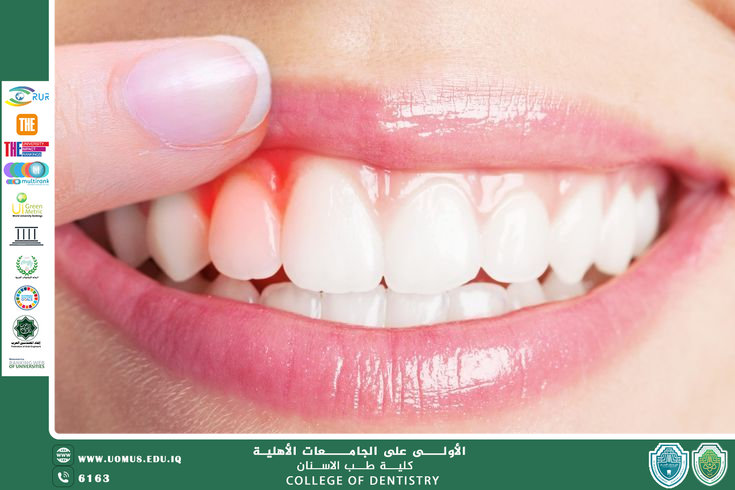
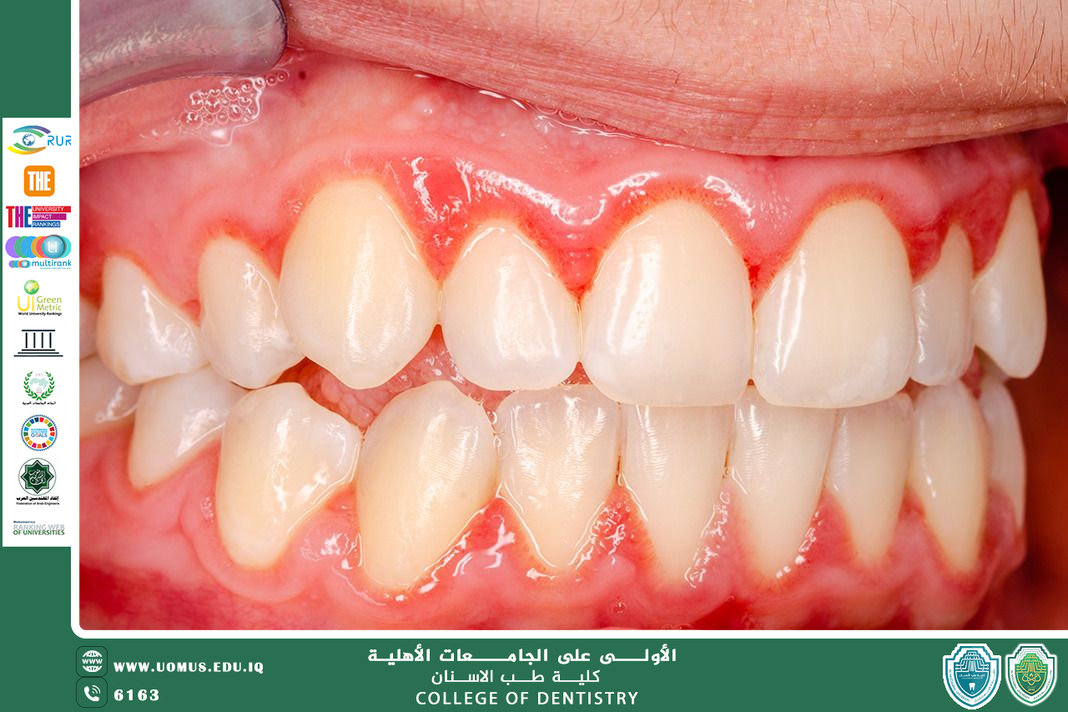
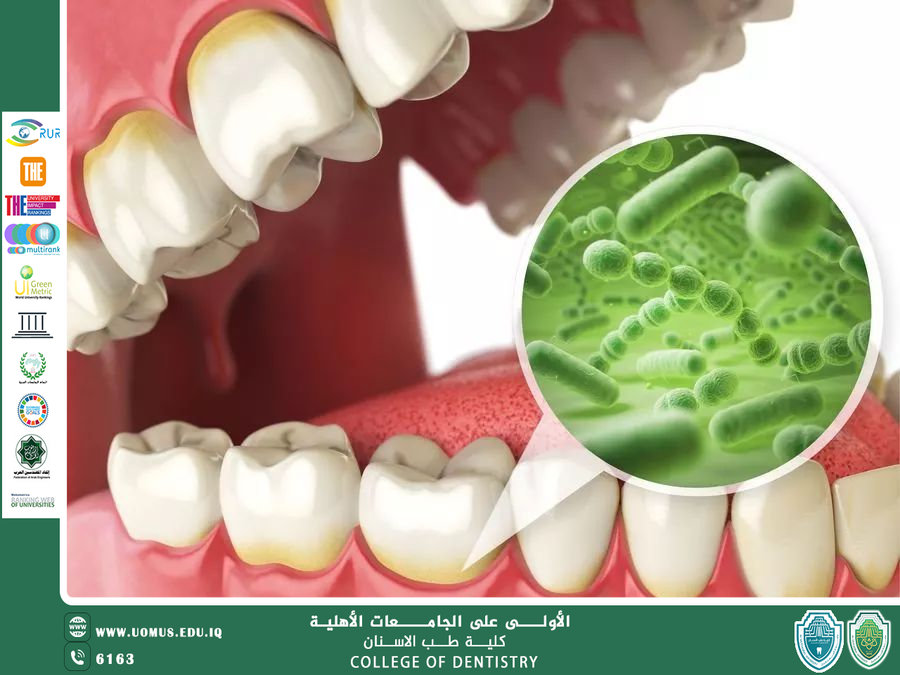
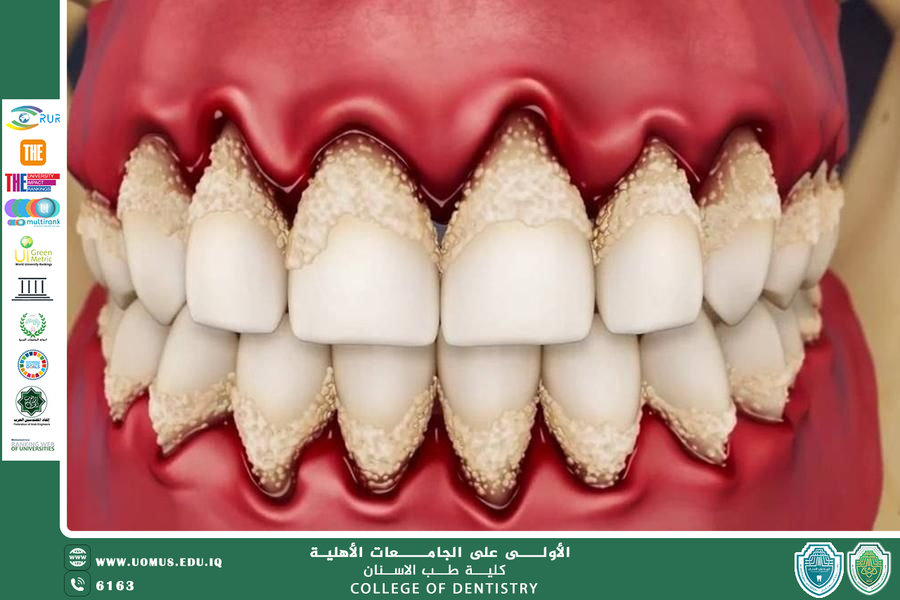
The gums, periodontal ligament, and alveolar bone together form a unified supporting structure known as the periodontium. When these tissues become inflamed due to plaque accumulation, imbalance gradually develops. What may begin as mild bleeding or slight swelling can progress to periodontitis, where the surrounding bone begins to resorb, eventually leading to tooth mobility and, in advanced cases, tooth loss.
Tooth stability is not a fixed state but a delicate balance between chewing forces and the health of supporting tissues. When gum disease develops, this balance is disrupted. Therefore, daily oral hygiene practices—such as effective brushing, flossing, and regular dental check-ups—are not merely preventive measures but essential steps in maintaining long-term tooth stability.
Certain systemic factors, including smoking and chronic conditions like diabetes, can increase susceptibility to gum inflammation, making preventive monitoring even more crucial for affected individuals. In this context, the dentist’s role in early diagnosis and timely intervention becomes vital to prevent irreversible damage.
Ultimately, tooth health cannot be separated from gum health. Tooth stability begins with the integrity of the surrounding tissues. The healthier the gums, the more secure the teeth—reinforcing the principle that preserving the foundation is key to maintaining the entire structure.