"Scientific article by Miss Noor alhuda Azmi Hasan entitled: Aromatic Plants and Their Therapeutic Importance"
27/02/2026 Share :
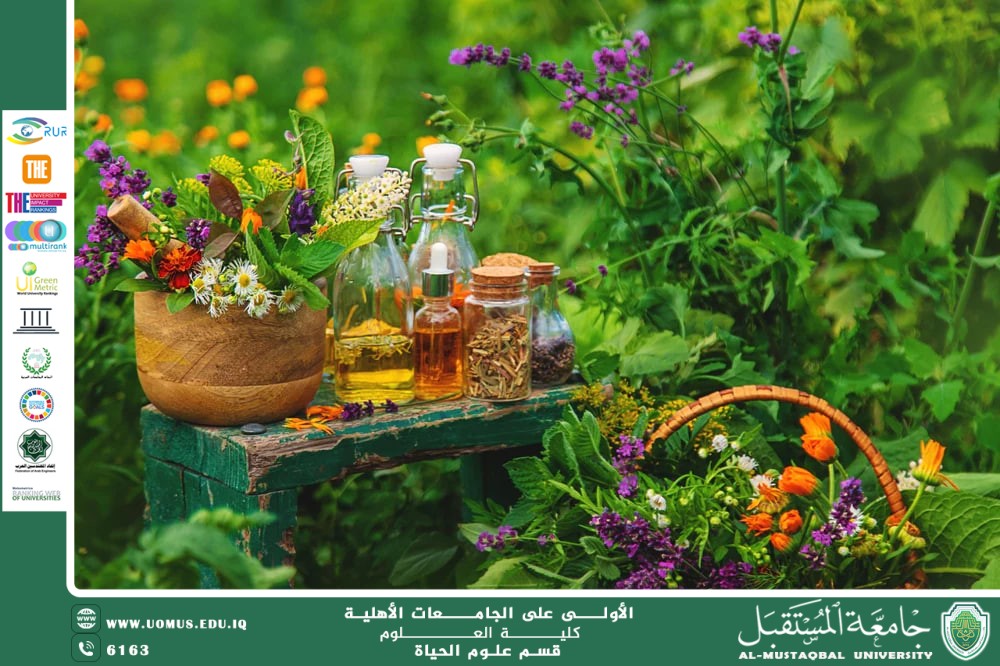
Aromatic plants are plants that contain volatile oils characterized by a distinctive fragrance and possess multiple therapeutic properties. These oils contain active compounds such as terpenols and phenols, which act as antibacterial, antifungal, and anti-inflammatory agents. For example, lavender oil is used to calm the nervous system and reduce stress, while peppermint oil helps improve digestion and relieve migraines. Fennel oil supports digestive health and reduces gas, whereas anise oil is used to relieve stress and promote better sleep.
Aromatic plants play an important role in complementary and alternative medicine, where they are used in:
Aromatherapy, to improve mood and reduce anxiety and psychological stress.
Herbal products, such as teas and herbal extracts.
Topical preparations, including ointments and creams, to soothe inflammation and calm the skin.
In addition, aromatic plants have significant economic and commercial importance, as they are used in:
The production of perfumes and cosmetic products.
The manufacture of herbal medicines and preventive health products.
The food and beverage industry, adding natural flavors and preserving food due to their antibacterial properties.
Modern studies also indicate that aromatic plants contain antioxidant compounds that help protect the body from oxidative damage and enhance overall health. Regular use of essential oils, whether through inhalation or massage, can:
Reduce psychological stress and nervous tension.
Improve sleep quality and mental relaxation.
Support digestive and respiratory system functions.
Enhance immune health and reduce chronic inflammation.
Thanks to these properties, aromatic plants are an integral part of traditional and modern medicine, pharmaceutical industries, personal care products, and the food and fragrance industries, making them a natural and effective element for both physical and mental well-being.
الهدف 3 : الصحة الجيدة والرفاه