"Scientific article by Miss Noor alhuda Azmi Hasan entitled: The Effect of Stress on Body Functions"
28/02/2026 Share :
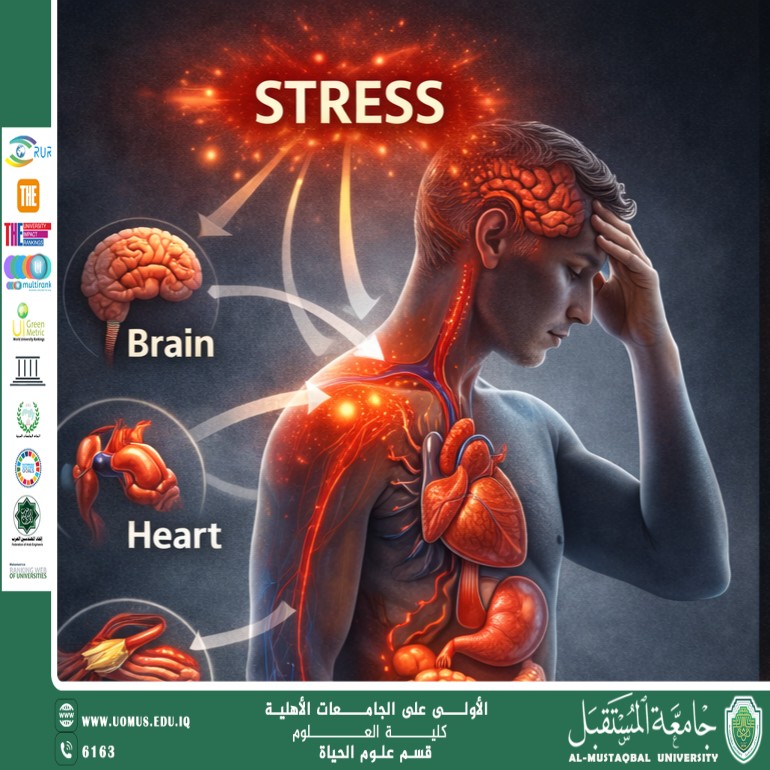
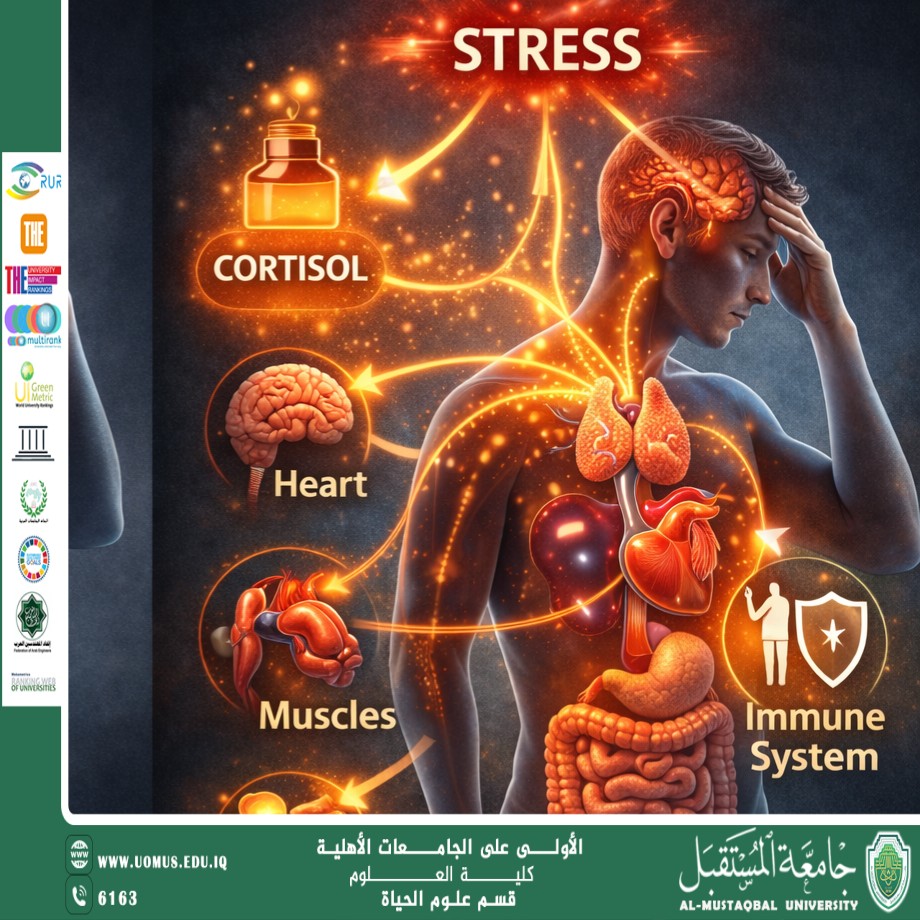
Stress is a natural response of the body that occurs when exposed to psychological or physical pressure. It is part of the body's defense mechanism that helps it adapt to challenges and difficult situations. When a person experiences stress, the nervous system activates a response known as the "fight or flight" response, during which hormones such as adrenaline and cortisol are released from the adrenal glands. These hormones increase heart rate, raise blood pressure, and boost energy levels, enabling the body to respond to threats or adapt to emergencies.
Although short-term stress can be beneficial in certain situations, chronic stress can negatively affect many body functions. It weakens the immune system, making the body more vulnerable to infections and diseases. Stress also affects the nervous system, leading to problems such as anxiety, depression, poor concentration, and sleep disorders. Additionally, stress can affect the digestive system, causing issues such as stomach ulcers, indigestion, and intestinal disorders.
Stress also impacts the cardiovascular system, increasing the risk of heart disease and high blood pressure. It may cause hormonal imbalances affecting growth, metabolism, and reproductive functions. Therefore, managing stress through exercise, proper sleep, healthy nutrition, and relaxation techniques such as meditation is essential for maintaining overall health.
الهدف 3 : الصحة الجيدة والرفاه