"Scientific article by Miss Noor alhuda Azmi Hasan entitled: The Relationship Between Sustainable Agriculture and Environmental Health"
27/02/2026 Share :
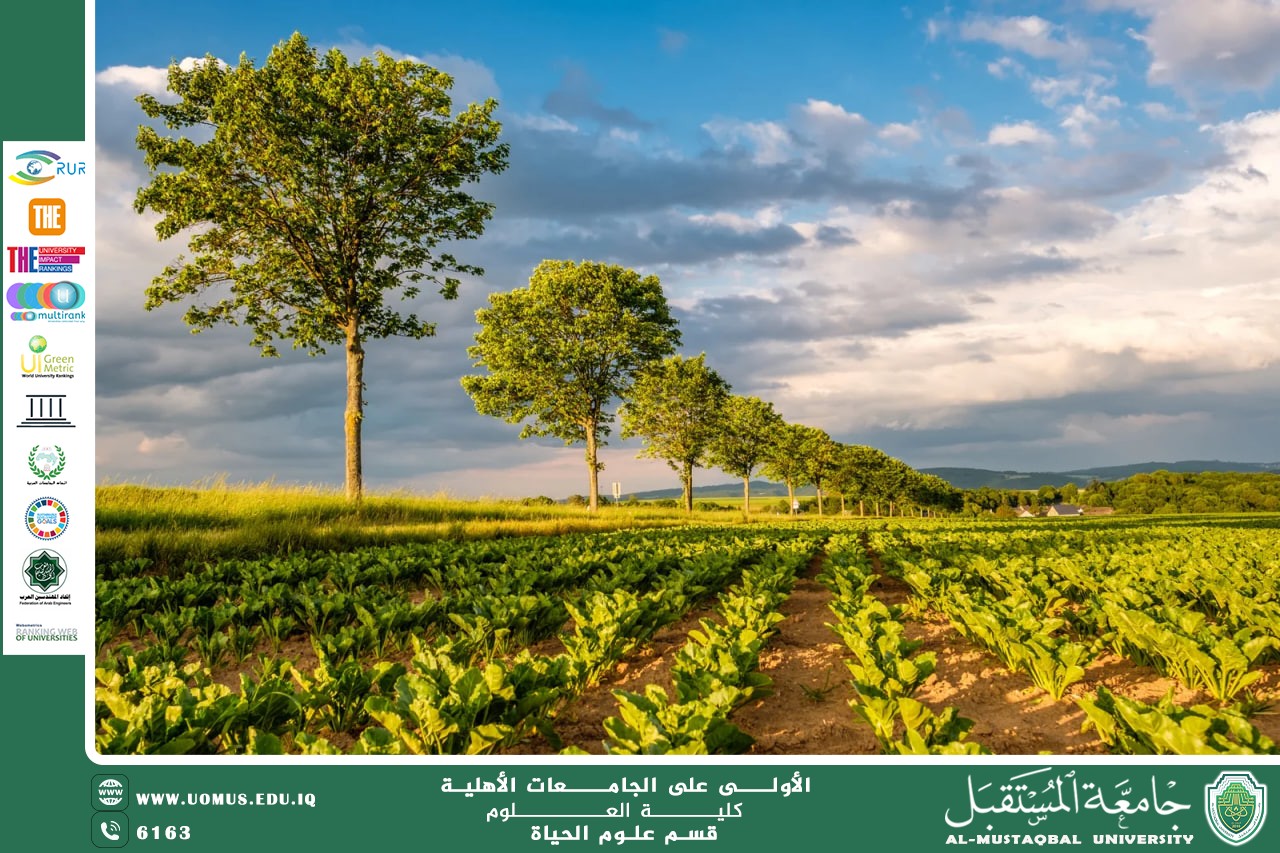
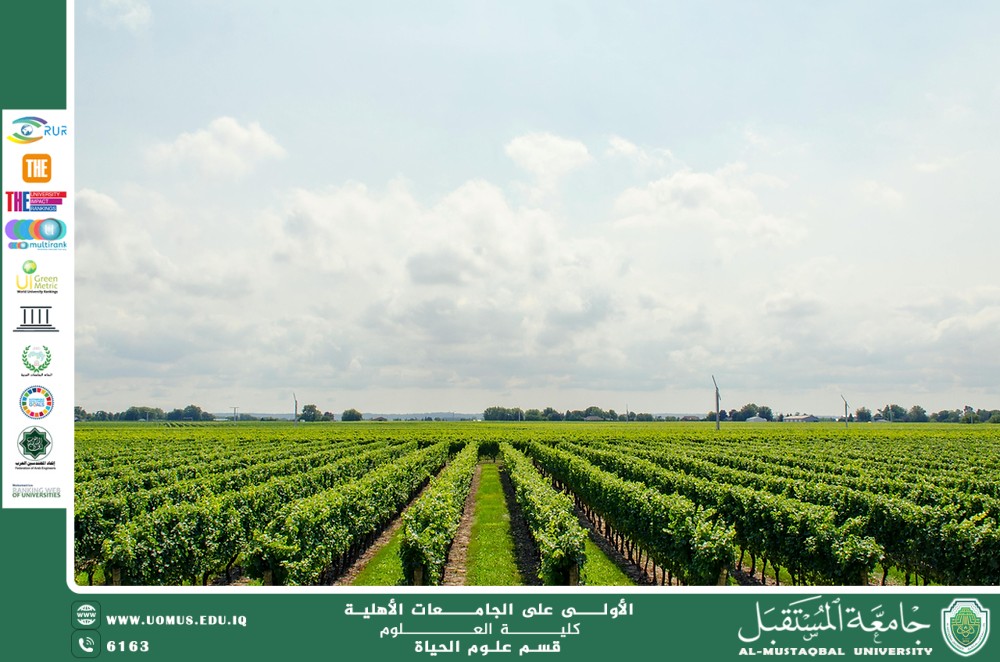
Sustainable agriculture is a farming system that aims to produce food while preserving natural resources such as soil, water, and air, and maintaining ecological balance in the long term. It relies on techniques and practices that reduce the use of harmful chemicals, such as pesticides and synthetic fertilizers, while increasing biodiversity on farms.
Sustainable agriculture directly impacts environmental health by maintaining soil and water quality and reducing environmental pollution. For example, using organic fertilizers instead of chemical ones reduces the accumulation of harmful substances in soil and groundwater, creating a cleaner and healthier environment.
Sustainable farming also helps reduce carbon emissions through improved land management and preservation of plant cover. Plants in sustainable farms absorb carbon dioxide, which mitigates global warming and air pollution.
It plays a crucial role in supporting biodiversity by encouraging the cultivation of various plant species and providing a habitat for beneficial organisms such as insects and bacteria that enhance soil fertility and naturally control pests. This positively affects environmental health and makes agricultural systems more resilient to climate changes.
Moreover, sustainable agriculture produces healthy food free from harmful substances, which benefits human health. Sustainable farms support and protect the environment, improving air, water, and soil quality, thereby enhancing overall environmental health.
الهدف 11 – مدن ومجتمعات محلية مستدامة