Scientific Article by Assistant Lecturer Ghadir Aqeel Ibrahim: Thermal Water Pollution and Its Impact on Marine Organisms and Aquatic Ecosystems
26/02/2026 Share :
Thermal pollution is a form of invisible environmental pollution that occurs due to abnormal increases or decreases in water temperature caused by human activities. It is often associated with power plants and factories that use water for cooling processes and then discharge it into rivers, lakes, or seas at higher temperatures. This thermal change directly affects the ecological balance of aquatic organisms.
Sources of Thermal Pollution
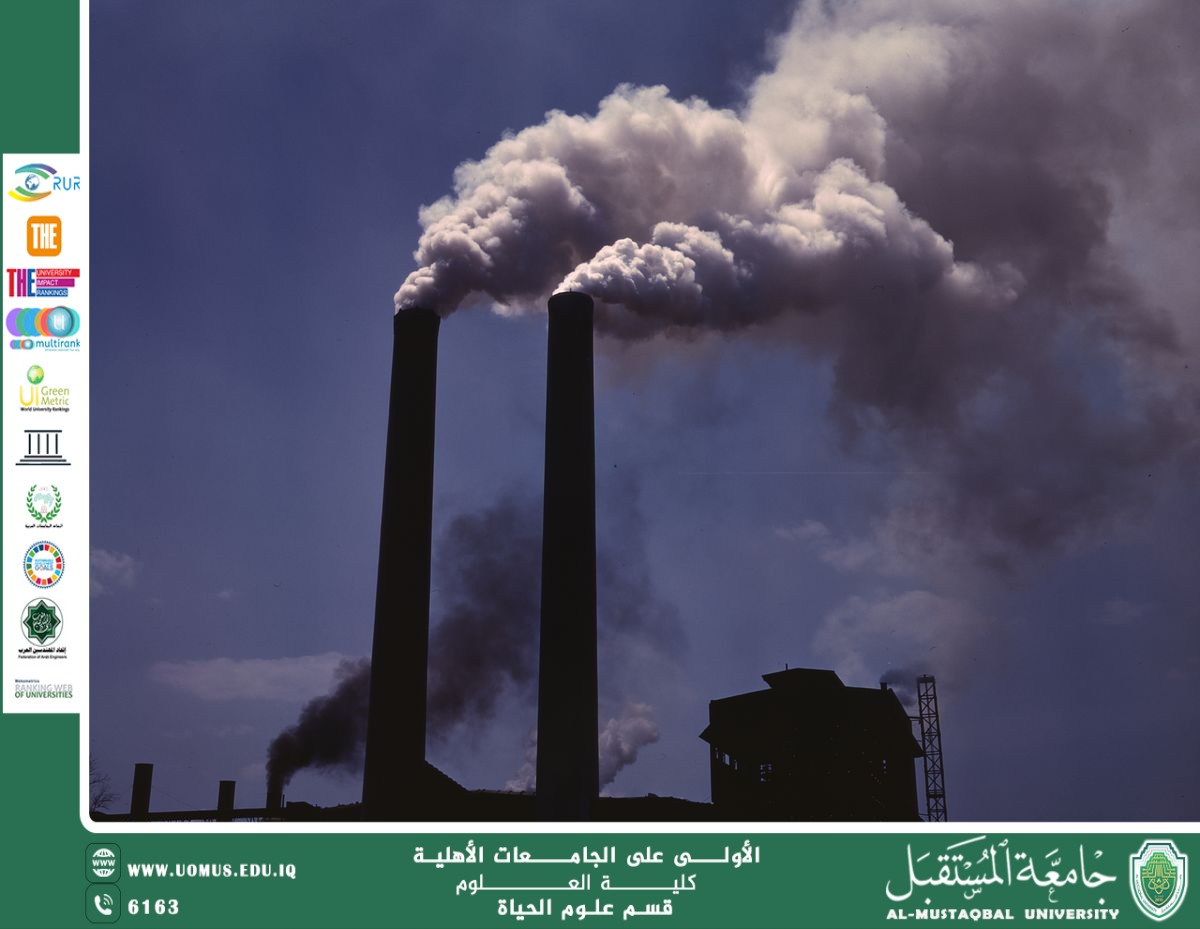
Thermal and Nuclear Power Plants: Use water to cool equipment, then return it to water bodies at elevated temperatures.
Factories and Industrial Facilities: Especially chemical and metal industries that rely on water for cooling.
Removal of Vegetation along Riverbanks: Increases water exposure to sunlight, raising its temperature.
Climate Change: Contributes to the warming of seas and oceans, exacerbating the problem.
Mechanism of Thermal Pollution in Water
Elevated water temperatures reduce dissolved oxygen levels.
Increased heat affects the metabolic rates of aquatic organisms.
May cause changes in reproductive and migratory patterns of marine species.
Impact of Thermal Pollution on Marine Organisms
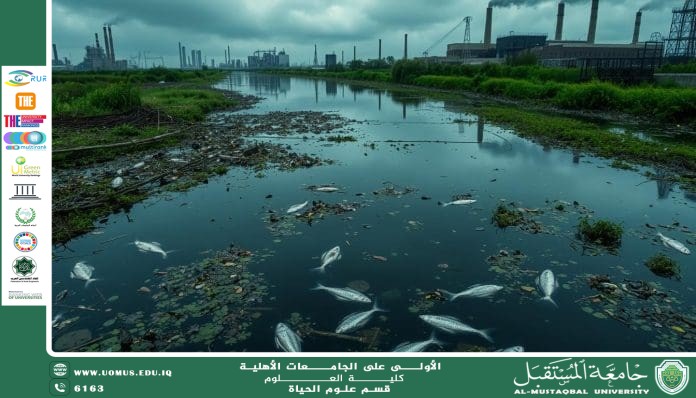
Fish: Thermal stress may lead to death, disrupt growth and reproduction, and increase susceptibility to diseases.
Coral Reefs: Elevated temperatures cause coral bleaching and loss of symbiotic algae, threatening the entire marine ecosystem.
Invertebrates and Aquatic Plants: Changes in species distribution, disappearance of sensitive species, and proliferation of heat-resistant species.
Impact on Aquatic Ecosystems
Disruption of ecological balance.
Reduced biodiversity.
Increased growth of harmful algae.
Alteration of food chains.
Economic Impacts
Decline in fish stocks.
Losses in fisheries and marine tourism.
Increased water treatment costs.
Methods to Reduce Thermal Pollution
Use of closed-loop cooling systems in factories and power plants.
Construction of cooling towers to lower water temperature before discharge.
Planting trees and vegetation along riverbanks to provide natural shade.
Enforcing environmental regulations that set allowable discharge temperatures.
Thermal pollution poses a silent threat to aquatic ecosystems and marine organisms. Although it may seem less severe than chemical pollution, its long-term effects can be devastating. Adopting sustainable strategies and strict regulatory measures is essential to protect water resources and ensure their sustainability for future generations.
الهدف 14 – الحياة تحت الماء