"A scientific article by Assistant Lecturer Ola Adel Rasmi entitled: Saline Soil"
27/02/2026 Share :
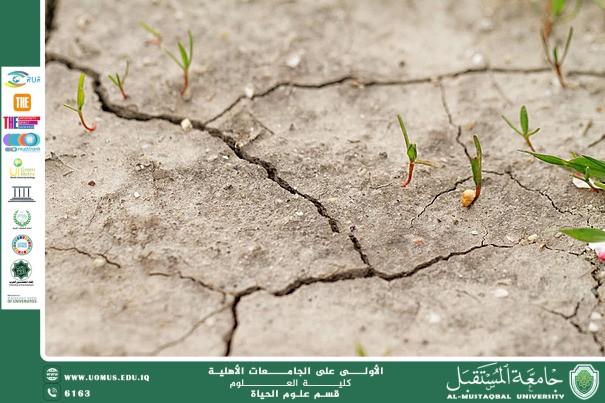
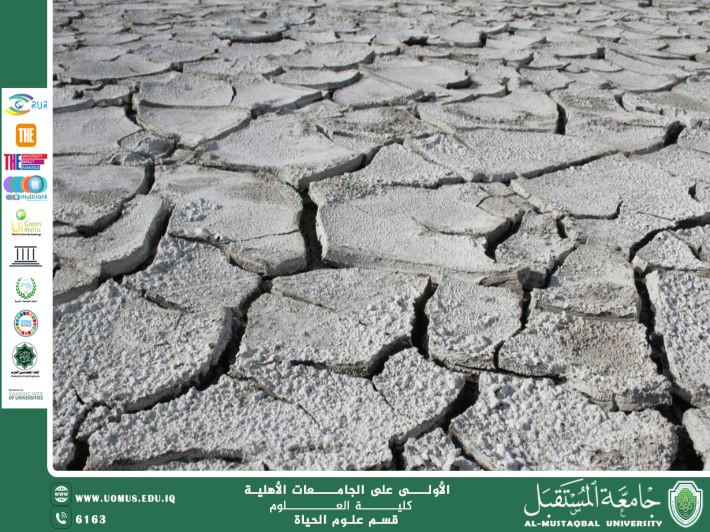
Saline soil contains a high percentage of dissolved salts and is often found in arid and semi-desert regions. The high salt concentration limits the growth of sensitive plants and affects their productivity. Some salt-tolerant crops, such as barley and wheat, can be grown in this soil. Saline soil requires treatment, such as leaching with water or adding materials that absorb salts, to become suitable for cultivation. Careful water management is important to reduce the impact of salinity on plants. Adding organic fertilizers helps improve soil fertility and increase productivity. Salinity levels must be monitored continuously to prevent environmental degradation. Saline soil is a challenge for conventional farming, but it is reclaimable. Improving this soil allows the utilization of previously neglected or unusable land. It can be mixed with loamy or organic soil to reduce its salinity. Some plants tolerate moderate salt levels without affecting their growth. Saline soil provides an opportunity for scientific research on salt tolerance. Sustainable use helps preserve the environment and biodiversity. Saline soil becomes valuable land if managed correctly.