Mental Health and Its Importance in Human Life During Disasters
07/03/2026 Share :
Mental health is an essential part of a person’s overall health, as it enables individuals to think clearly and deal positively with the pressures of daily life. The importance of mental health becomes even greater during times of disasters and crises, such as wars, natural disasters, or epidemics, when people are exposed to high levels of stress, fear, and instability. In such circumstances, maintaining psychological balance becomes an important factor that helps individuals adapt to sudden changes and face challenges that may threaten their lives or the lives of those around them.
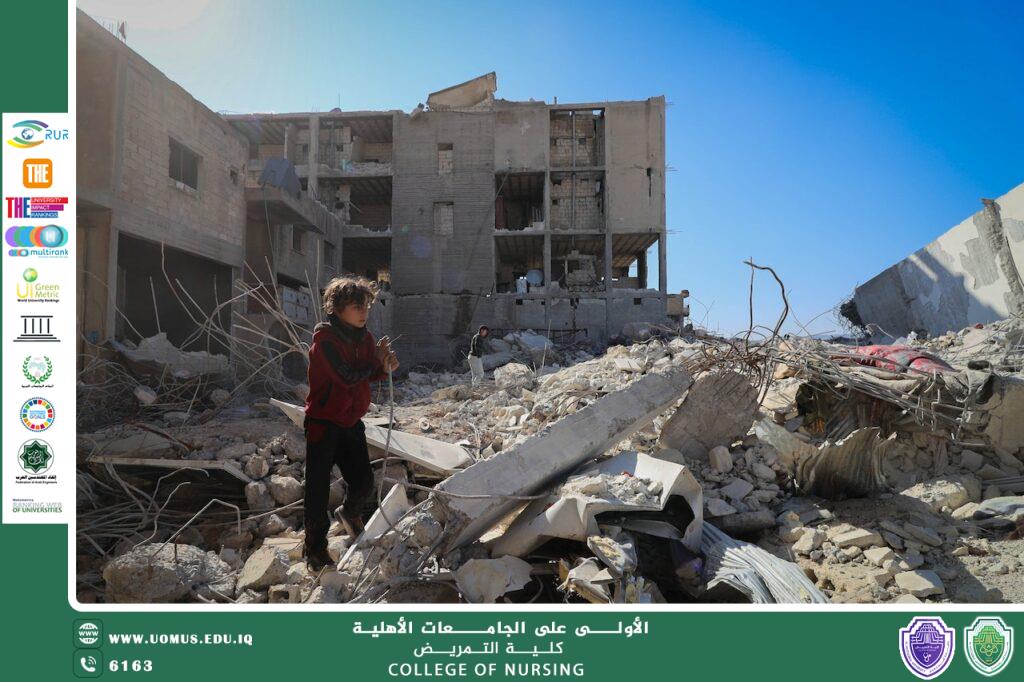
During disasters, many people may suffer from various psychological disorders due to the trauma and losses they experience, such as the loss of loved ones, destruction of homes, or displacement. Among the common psychological problems that may appear in these situations are severe anxiety, sadness, and persistent fear. In some individuals, these conditions may develop into more complex disorders such as post-traumatic stress disorder or depression. Therefore, caring for mental health during disasters is just as important as caring for physical health.
Mental health plays an important role in strengthening an individual’s ability to cope with and adapt to crises. People who enjoy good mental health are more capable of thinking logically and making appropriate decisions in difficult circumstances. They are also better able to provide support to their family members and the community around them. In addition, psychological balance helps reduce stress and limit the negative effects of traumatic events, which contributes to protecting individuals from long-term psychological problems.
To maintain mental health during disasters, a number of measures should be followed to reduce stress and enhance feelings of safety. One of the most important of these measures is maintaining social communication with family and friends, seeking psychological support from specialists when needed, and engaging in activities that promote relaxation, such as meditation or light exercise. Providing accurate information about crises also helps reduce fear and anxiety among individuals.
In conclusion, mental health represents a fundamental pillar in human life, especially during times of disasters and crises that may significantly affect the stability of individuals and communities. Therefore, it is important to promote awareness of the importance of mental health and provide psychological and social support to people affected by disasters in order to help them overcome crises and return to their normal lives in the best possible way.
This scientific article comes within the framework of achieving the Sustainable Development Goals, specifically Goal 3: Good Health and Well-being.
Al-Mustaqbal University — the firstuniversity in Iraq.
الهدف الثالث من اهداف التنمية المستدامة -الصحة الجيدة والرفاه