
Cognitive Behavioral Therapy for Addicts
08/03/2026 Share :
Cognitive Behavioral Therapy (CBT) stands out as one of the most effective psychological approaches used in the treatment of addiction. This type of therapy focuses on a variety of techniques aimed at transforming negative thought patterns and destructive behaviors. By doing so, it assists individuals in their journey to recover from substance dependence or compulsive habits.
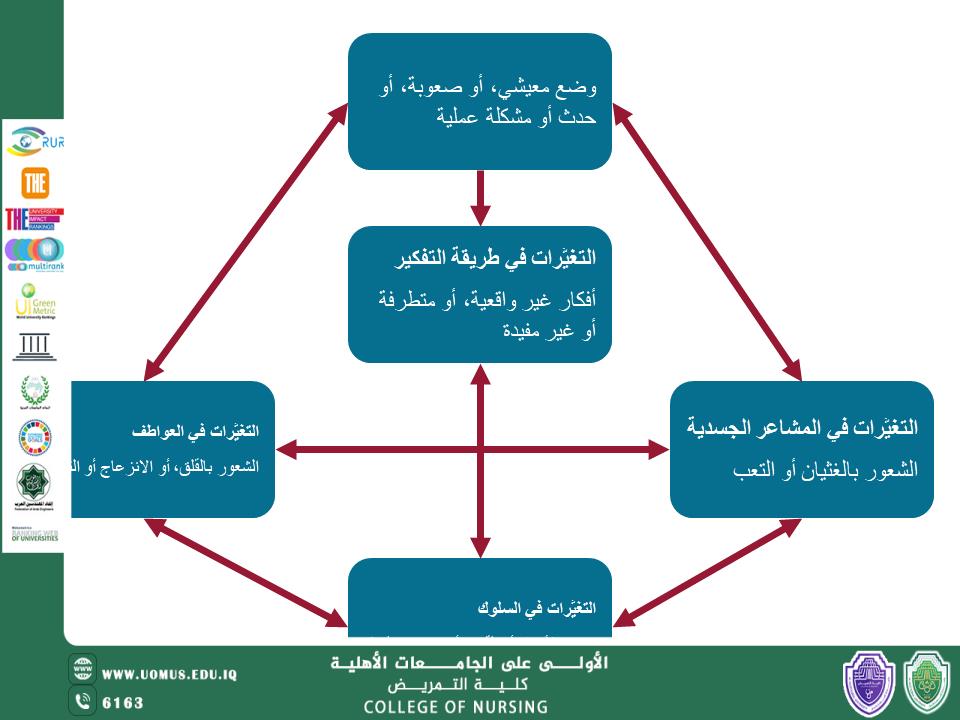
The primary objective of CBT is to help patients understand the intricate relationship between their thoughts, feelings, and behaviors. By recognizing how negative thoughts can influence their emotions and actions, patients can begin to make positive changes. CBT also emphasizes the development of effective coping strategies, providing individuals with tools to deal with stress and triggers that might lead to relapse. Additionally, the therapy promotes the enhancement of social skills, aiming to improve interpersonal relationships and strengthen social support networks. A crucial aspect of CBT is its focus on modifying negative behavioral patterns by introducing alternative ways of thinking.
The application of CBT begins with a thorough assessment of the individual’s history, allowing the therapist to understand the various dimensions of their addiction. Together, the patient and therapist set clear and achievable goals, creating an actionable plan for treatment. Throughout the process, various techniques are employed, such as critical thinking exercises, cognitive restructuring, and exposure techniques to confront behaviors that lead to addiction. After a defined treatment period, both the progress made and the effectiveness of the strategies are reviewed, allowing for necessary adjustments to the treatment plan.
CBT offers numerous benefits. Its inherent flexibility means it can be combined with other treatment methods, such as medication and group therapy, to enhance overall effectiveness. Studies have shown that individuals who undergo CBT often experience reduced relapse rates, as they develop a greater capacity to cope with life's pressures and challenges. Furthermore, the therapy contributes significantly to improved quality of life—helping individuals achieve better mental health and foster healthier social relationships, which ultimately leads to a more fulfilling existence.
However, CBT is not without its challenges. Achieving meaningful change requires a commitment of time and effort from the patients, as well as their motivation to follow through with the therapeutic process. Some deeply ingrained negative thought patterns may resist change, necessitating ongoing effort and diligence.
الهدف الثالث من اهداف التنمية المستدامة -الصحة الجيدة والرفاه