Drones as Flying Chemical Laboratories: New Horizons in Environmental and Analytical Chemistry Research
08/03/2026 Share :
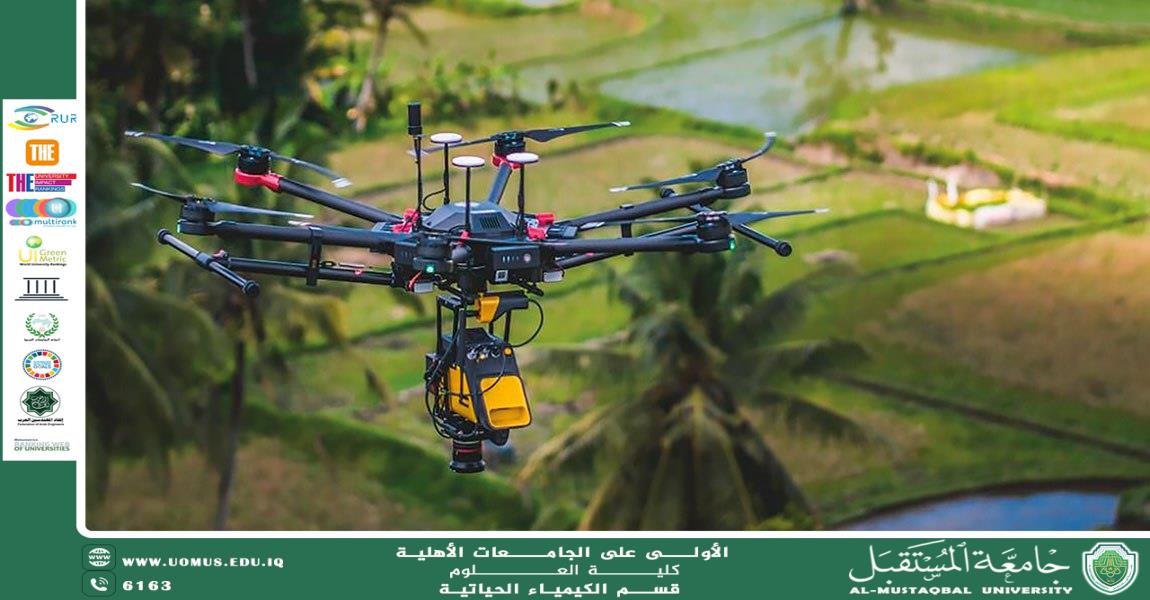
With the rapid advancement of science and engineering, drones have evolved far beyond military applications or aerial photography. They have become innovative research platforms in multiple fields, particularly in environmental and analytical chemistry. Today, drones can serve as “flying chemical laboratories,” capable of collecting and analyzing environmental data with precision and speed unmatched by traditional methods.
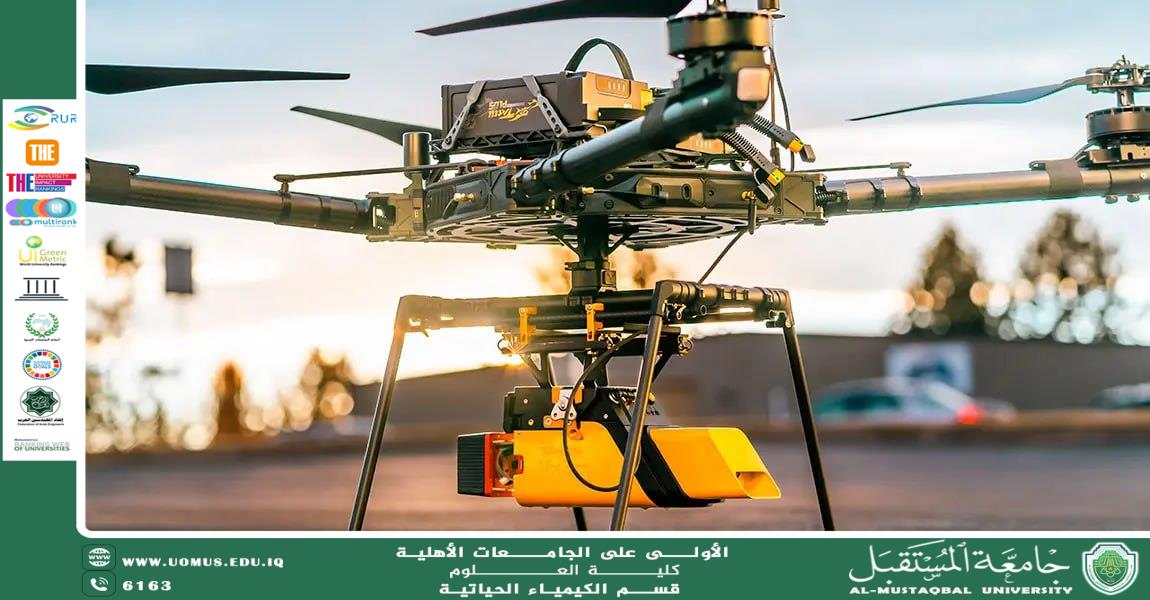
This approach relies on integrating drones with advanced, lightweight chemical sensors, often based on electrochemical or optical techniques, or utilizing highly sensitive nanomaterials. These sensors can detect a wide range of atmospheric pollutants and gases, such as carbon dioxide, methane, nitrogen oxides, and volatile organic compounds—key indicators for assessing air quality and understanding the environmental impact on human health.
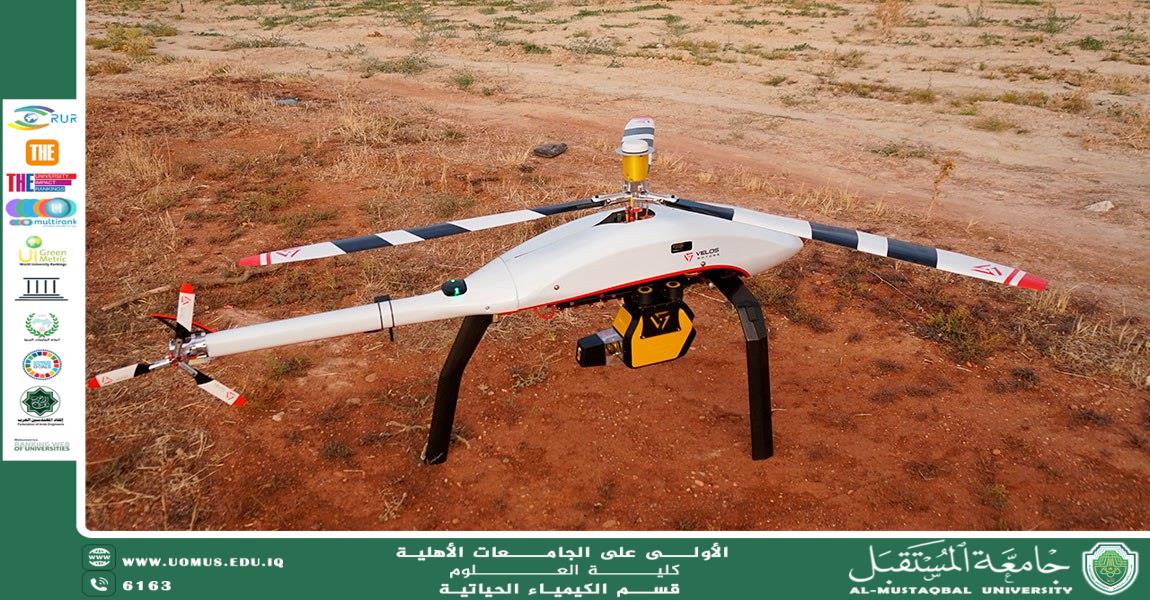
Drones are uniquely capable of accessing areas that are difficult or hazardous to reach, such as industrial zones, rugged mountainous regions, or sites of environmental accidents. This ability allows researchers to monitor chemical changes in the atmosphere, collect environmental samples, and even create three-dimensional maps of pollutant distribution, providing a clearer understanding of pollutant transport and dispersion in the environment.
Furthermore, drones can be equipped with platforms to collect air, particulate matter, or surface water samples for subsequent analysis using advanced techniques like chromatography or spectroscopy. This integration of flight technology and chemical sensors provides a more efficient and cost-effective environmental monitoring system compared to conventional methods.
The applications of drones extend beyond environmental studies to sensitive areas, such as regions near nuclear reactors or radiation accident sites. Drones equipped with lightweight radiation detectors can monitor radiation levels and identify potential leaks without exposing researchers or emergency teams to direct hazards.
With ongoing advancements in nanomaterials and miniaturized sensors, drones are expected to play an increasingly important role as mobile analytical laboratories, marking a significant shift in environmental monitoring approaches. This interdisciplinary approach, combining chemistry and aerial technology, offers innovative tools for studying the environment, protecting public health, and preserving ecosystems.