Protection of Artistic Heritage in Iraqi Law
10/03/2026 Share :
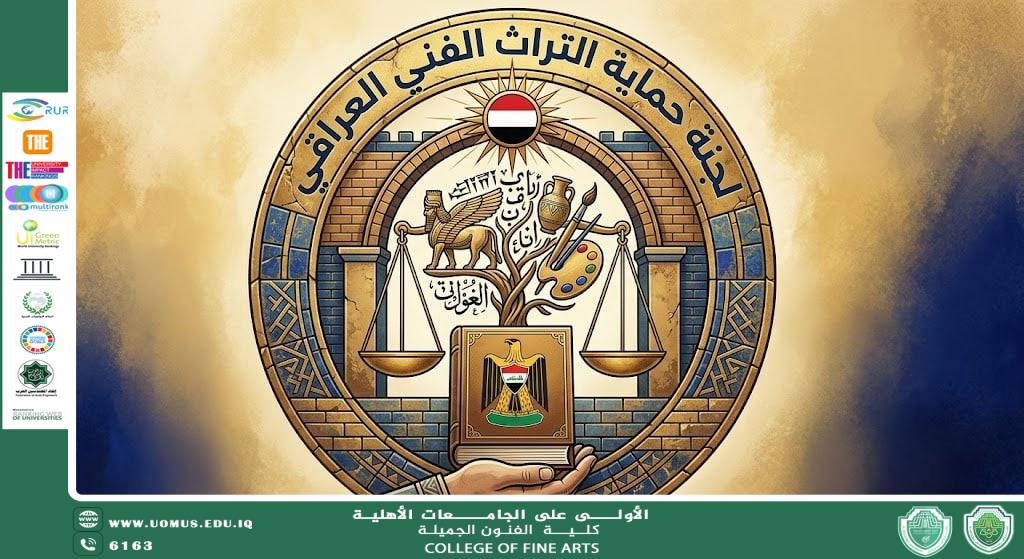
Artistic heritage represents a fundamental component of the cultural identity of any society. It reflects the historical memory of nations and expresses their aesthetic, intellectual, and cultural values throughout different historical periods. Iraq possesses one of the richest artistic and cultural heritages in the world, extending from the ancient Sumerian, Babylonian, and Assyrian civilizations to Islamic and modern artistic traditions. For this reason, Iraqi law has placed significant importance on protecting this heritage and preserving it from loss, destruction, or illegal trade.
The Iraqi legislator has sought to regulate the protection of cultural and artistic heritage through a set of laws and regulations aimed at safeguarding archaeological sites, artistic artifacts, and cultural properties. One of the most important of these laws is the Antiquities and Heritage Law No. 55 of 2002, which established a clear legal framework for the protection of archaeological sites and heritage properties, and prohibits their illegal trade or smuggling outside the country. This law is considered one of the main legislative tools that contribute to preserving Iraq’s rich civilizational heritage.
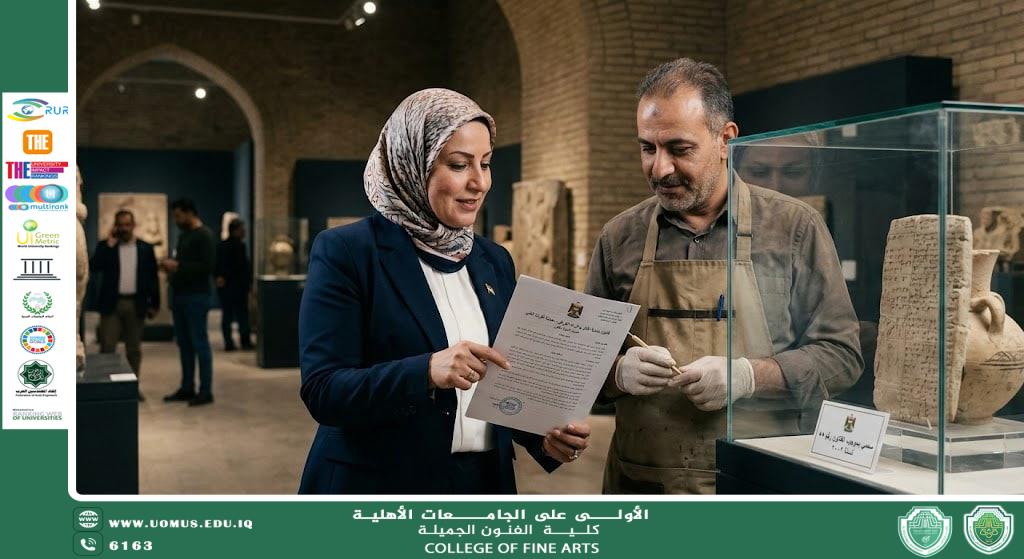
Iraqi legislation also prohibits any damage or interference with heritage sites and imposes legal penalties on individuals involved in the theft, smuggling, or illegal trade of antiquities. Specialized institutions, such as the State Board of Antiquities and Heritage, work to monitor excavation activities, protect archaeological sites, and preserve cultural properties, in addition to documenting and restoring them in cooperation with academic and cultural institutions.
Protection of artistic heritage is not limited to legal measures alone; it also includes cultural, educational, and awareness initiatives. Academic institutions, museums, and art exhibitions play an important role in spreading awareness about the importance of artistic heritage and strengthening the sense of responsibility toward its preservation. Universities and art colleges also contribute to documenting and studying this heritage and transmitting it to future generations through educational curricula and cultural activities.
In light of the challenges facing cultural heritage, such as wars, social changes, and rapid urban development, the importance of strengthening legal frameworks that protect artistic heritage becomes even greater. Protecting artistic heritage is not only the responsibility of governmental institutions but also a shared responsibility between the state, society, and educational and cultural institutions to preserve this valuable heritage as an essential part of Iraq’s identity and rich history.
Almustaqbal University, The First University in Iraq.