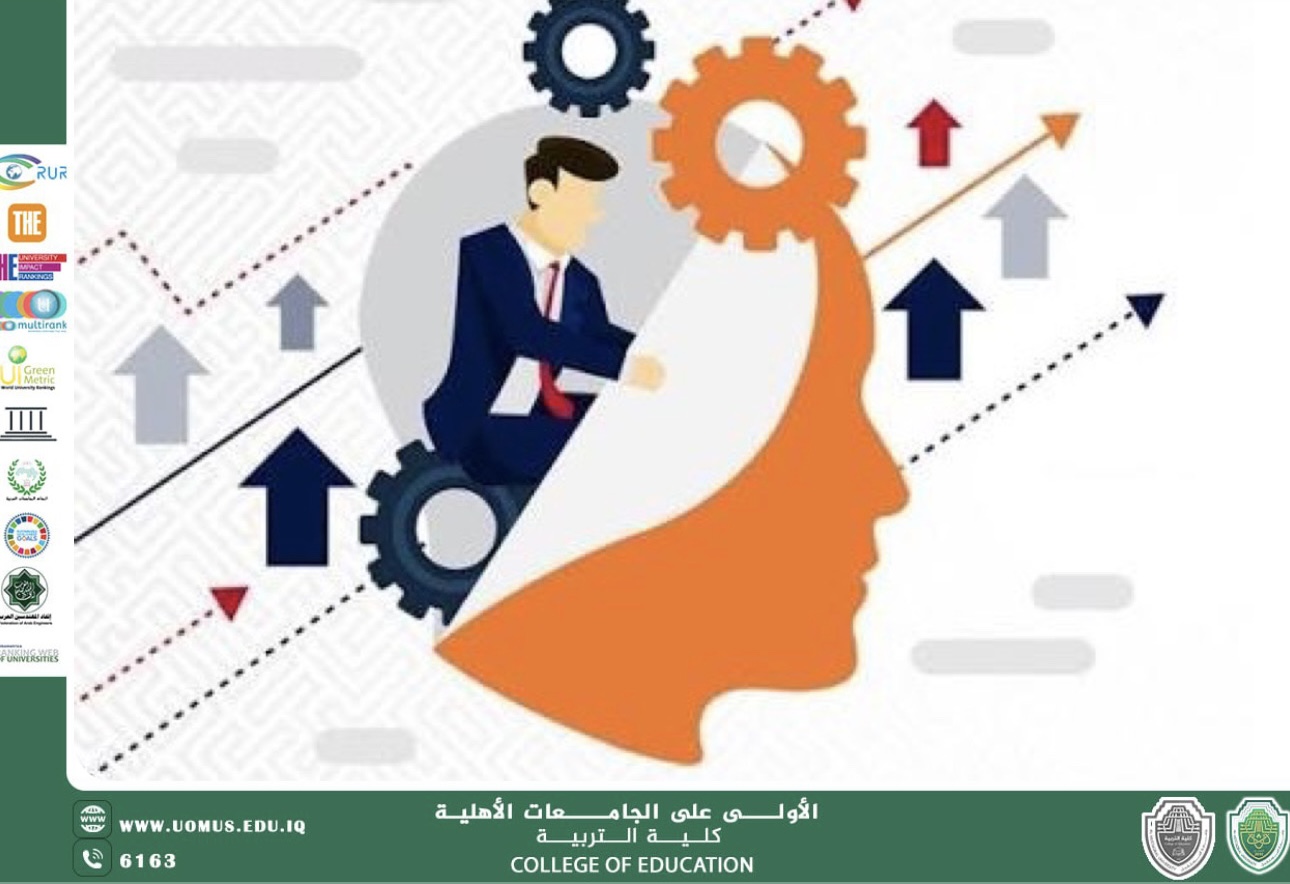

Organizational Behavior in the Contemporary Work Environment
11/03/2026 Share :
Organizational behavior is considered one of the fundamental topics in the field of management and organizational sciences, as it focuses on studying the behavior of individuals and groups within organizations and how this behavior affects performance levels, productivity, and the achievement of institutional goals. With the development of modern work environments and the increasing administrative and organizational challenges, understanding and analyzing organizational behavior has become an essential factor in enhancing institutional efficiency and improving overall performance.
Organizational behavior refers to the set of actions and behavioral patterns demonstrated by employees within the workplace while performing their job duties and interacting with colleagues and supervisors. This behavior is influenced by several factors, including personal factors such as values, attitudes, and motivations, as well as organizational factors such as organizational culture, leadership style, incentive systems, and the nature of the work itself.
Organizational behavior plays an important role in achieving harmony among employees within the institution, as it contributes to strengthening the spirit of cooperation and teamwork and reduces organizational conflicts and disputes. It also helps create a positive work environment that encourages creativity and innovation, which directly reflects on the level of institutional performance and the quality of services provided.
One of the important aspects of organizational behavior is job commitment and discipline at work. Commitment to rules and regulations, respect for working hours, and the preservation of the institution’s property are considered key indicators of positive organizational behavior. In addition, effective communication between employees and management contributes to building working relationships based on trust and mutual respect, which enhances organizational stability.
On the other hand, negative organizational behavior may appear as a result of work pressures, weak leadership, or the absence of organizational justice, which may lead to decreased job satisfaction and declining performance. Therefore, successful institutions seek to adopt modern administrative policies aimed at improving the work environment, developing employees’ skills, and promoting a positive organizational culture that supports sound organizational behavior.
In conclusion, organizational behavior represents a central element in the success of organizations and the achievement of their goals. The level of institutional performance largely depends on the nature of employees’ behavior within the workplace. Therefore, continuous attention from administrative leadership is required to direct organizational behavior toward a positive direction through training, motivation, and building an organizational culture based on cooperation and professional responsibility.
By: Assistant Lecturer Hussein Muneer Abdulzahra.