Climate Extremes in Iraq and the Impact of Development
25/03/2026 Share :
Prepared by: Hasnain Musa Hasan
Introduction
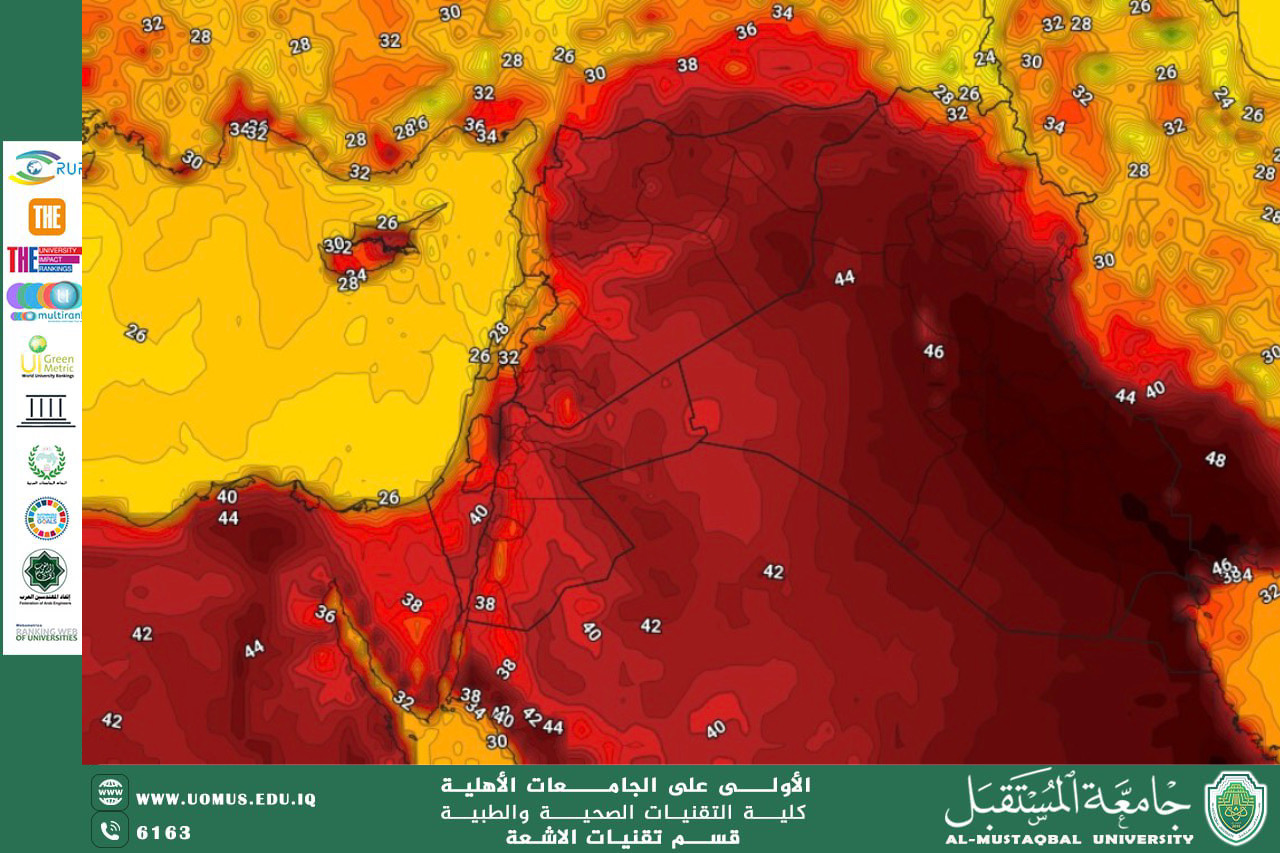
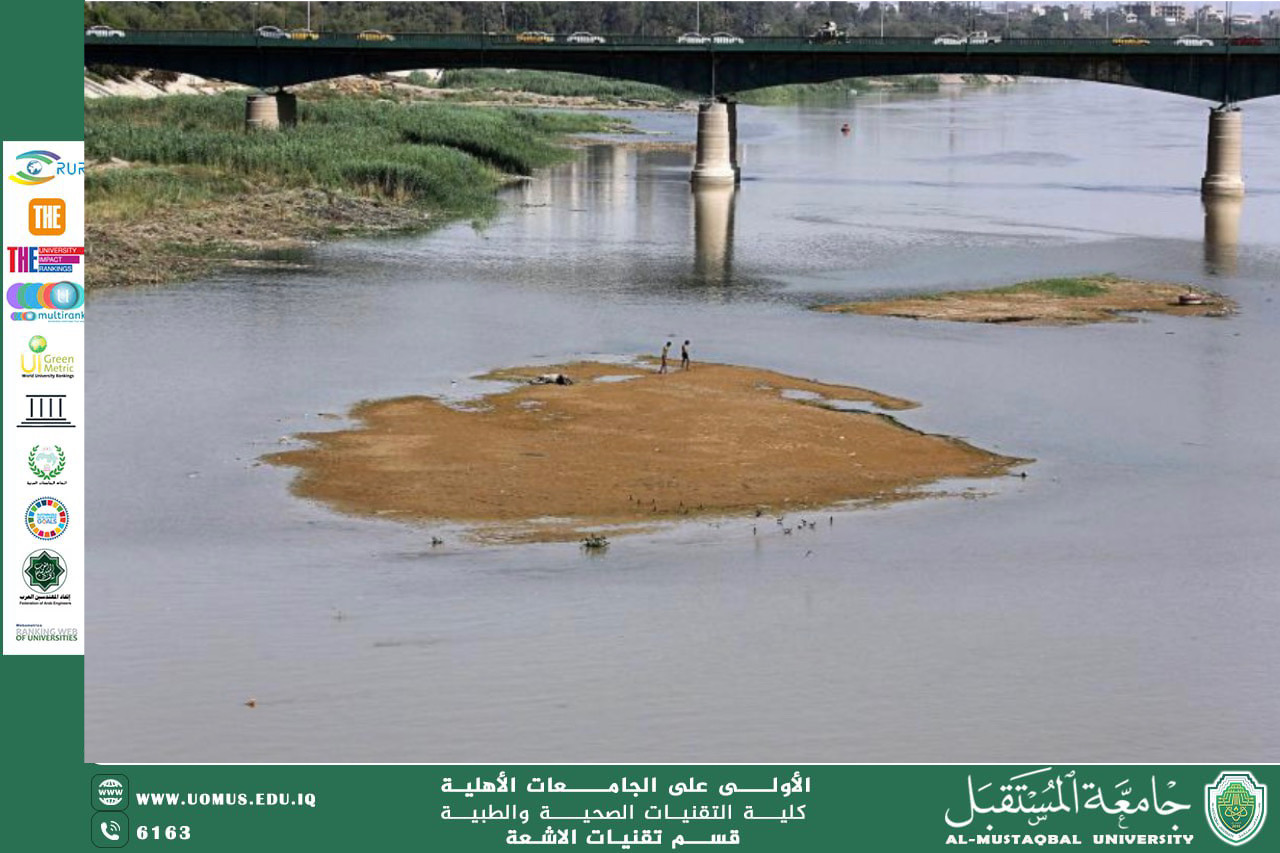
Climate extremes represent one of the most significant environmental challenges facing the world today. Iraq is among the countries most affected by these phenomena due to its geographical location and semi-arid climate. In recent years, Iraq has experienced increasing extreme weather events such as severe heat waves, dust storms, prolonged droughts, and declining water levels in the Tigris and Euphrates rivers. These events are strongly linked to global climate change and human activities.
Concept of Climate Extremes
Climate extremes refer to severe and unusual variations in climate elements such as temperature and precipitation compared to their normal averages over a specific period. Major examples include:
• Extreme heat waves
• Long-term droughts
• Sudden floods
• Dust and sand storms
These events significantly affect ecosystems, economic activities, and public health, as well as food security and social stability.
Impact of Development and Human Activities in Iraq
In recent decades, Iraq has witnessed urban and population growth that increased pressure on natural resources. Several factors have contributed to the intensification of climate extremes, including:
1. Heavy reliance on fossil fuels for energy production.
2. Rapid urban expansion and population growth.
3. Land degradation and desertification.
4. Excessive use of water resources in agriculture.
These factors increase greenhouse gas emissions and raise temperatures, contributing to stronger and more frequent extreme climate events.
Impacts on Iraq
Climate extremes have significant impacts on Iraqi society and the environment, including:
• Reduced agricultural productivity due to drought and high temperatures.
• Increased dust storms affecting human health.
• Declining water resources in many regions.
• Migration from rural areas due to land degradation.
Possible Solutions
To reduce the effects of climate extremes, Iraq can adopt several strategies, such as:
• Expanding renewable energy sources, particularly solar energy.
• Improving water resource management.
• Increasing green areas and combating desertification.
• Supporting scientific research on climate and environmental issues.
• Developing early warning systems for extreme weather events.
Conclusion
Climate extremes pose a major environmental and economic challenge for Iraq. Addressing this issue requires sustainable development policies and effective environmental management. Cooperation between government institutions, scientists, and society is essential to reduce climate risks and ensure a better future for coming generations.
⸻
المراجع / References
1. IPCC. (2023). Climate Change 2023: Synthesis Report.
2. World Bank. (2022). Climate Risk Country Profile: Iraq.
3. United Nations Environment Programme (UNEP). (2021). Environmental Challenges in Iraq.
4. FAO. (2020). Water Scarcity and Agriculture in Iraq.
5. Al-Ansari, N. (2019). Climate Change Impacts on Water Resources of Iraq.