A Scientific Article About Epilepsy: From Biological Understanding to Innovative Treatments
24/03/2026 Share :
Epilepsy is one of the most common chronic neurological disorders. It is characterized by recurrent and unpredictable seizures resulting from temporary disturbances in the brain’s electrical activity. These seizures are not limited to muscular convulsions; they may also present as brief loss of awareness or short periods of staring.
1. Pathophysiology
Epilepsy results from an imbalance between:
• Excitatory neural signals
• Inhibitory neural signals
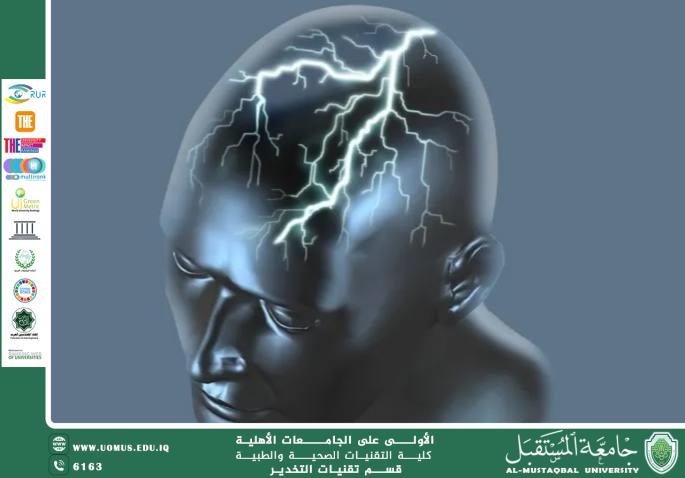
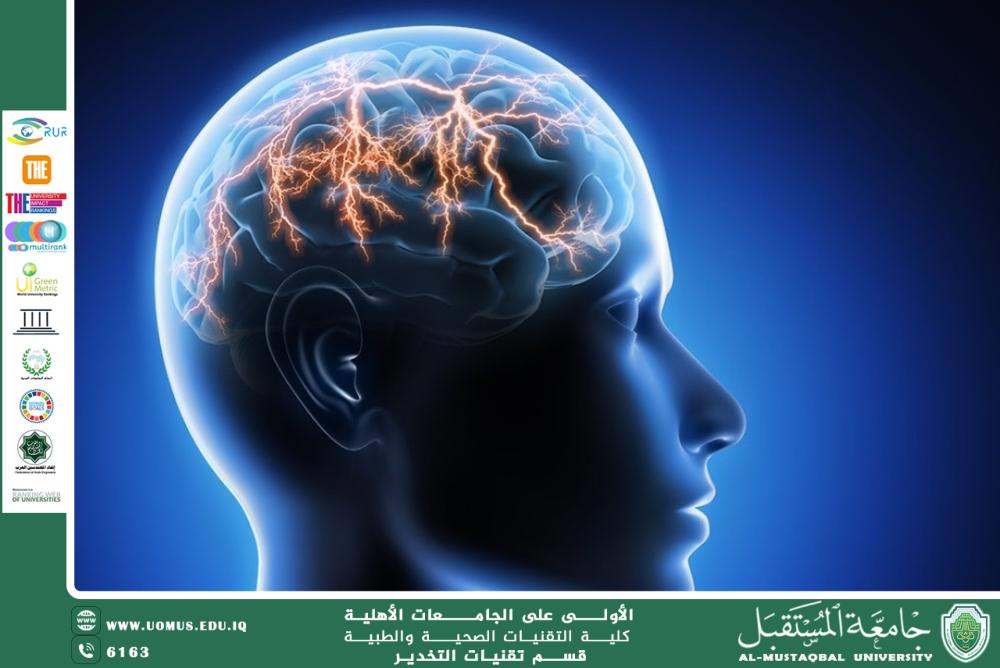
Under normal conditions, these signals function in precise harmony. In epilepsy, however, a state of neuronal hyperexcitability occurs, where groups of neurons fire excessive, rapid, and abnormal electrical discharges. This leads to what is often described as an “electrical storm” in the brain, temporarily disrupting normal brain function.
2. Causes
The causes of epilepsy are diverse and can be classified into:
• Genetic factors: Mutations affecting ion channels that regulate electrical activity.
• Structural abnormalities: Such as traumatic brain injury, stroke, or brain tumors.
• Infectious diseases: Including meningitis and encephalitis.
• Idiopathic causes: In many cases, no clear cause can be identified.
3. Modern Diagnosis
Diagnosis relies on advanced tools to monitor brain activity:
• Electroencephalography (EEG):
The primary tool for recording electrical activity and identifying seizure foci.
• Magnetic Resonance Imaging (MRI):
Used to detect structural abnormalities in the brain.
4. Therapeutic Approaches
Treatment of epilepsy has significantly evolved and includes:
First: Pharmacological Treatment
• Antiepileptic Drugs (AEDs):
Aim to restore the balance of neurotransmitters while minimizing side effects.
Second: Dietary Therapy
• Ketogenic Diet:
Particularly effective in children, where the brain uses ketones instead of glucose, reducing excessive electrical activity.
Third: Neuromodulation
• Vagus Nerve Stimulation (VNS):
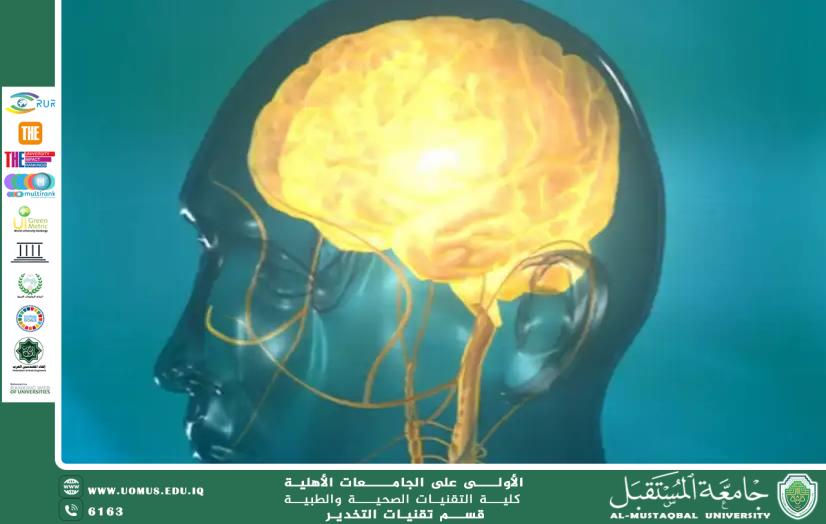
An implanted device that delivers regular electrical impulses to regulate brain activity and prevent seizures.
Fourth: Surgery
• In selected cases, surgical removal of the seizure focus may lead to complete recovery.
5. Future Perspectives
Current research focuses on:
• Personalized Medicine:
Analyzing genetic profiles to select the most effective treatment for each patient.
• Closed-loop Systems:
Smart devices that detect seizure onset and immediately deliver precise electrical stimulation to stop it before symptoms appear.
Conclusion
Epilepsy is a manageable medical condition in the majority of cases. With advances in diagnostic tools and treatment strategies, most patients can lead normal and productive lives when adhering to an appropriate therapeutic plan.
Dr. Ahmed Neama
Al-Mustaqbal University
The First University in Iraq