
Article titled: "Ceramics" by Assistant Lecturer Sajaa Fadhil.
31/03/2026 Share :
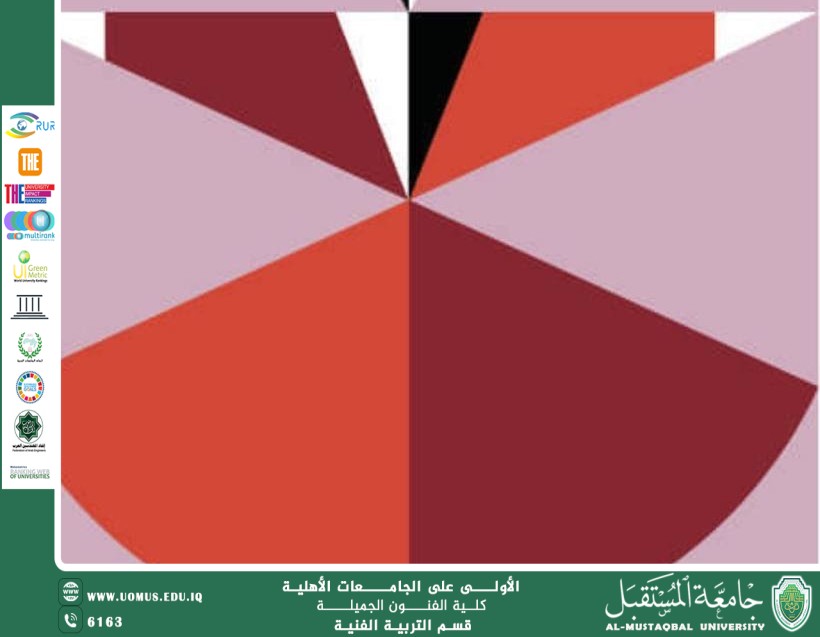
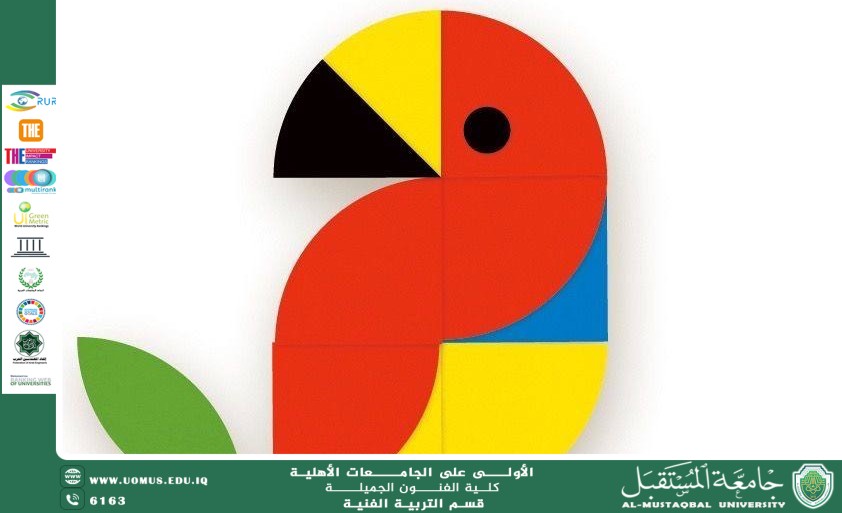
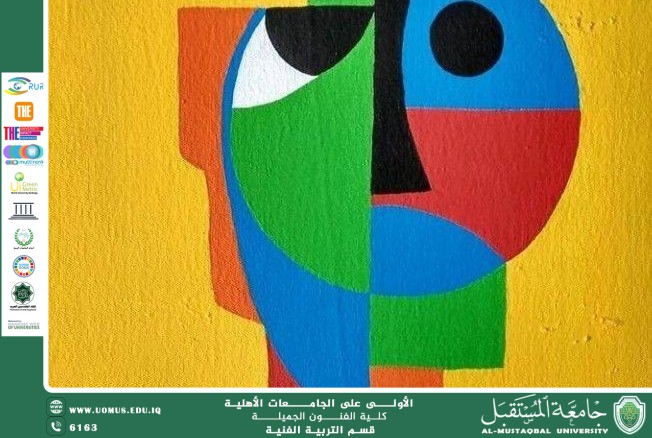
Color is considered one of the most essential structural elements in a work of art due to its ability to create both visual and psychological impact on the viewer. In ceramic art, color acquires a distinctive quality as a result of its connection to the material, firing processes, and chemical transformations. Thus, color in ceramics is not merely used as a decorative element, but plays an active role in shaping meaning and constructing expressive values within the artwork.
The effectiveness of color in ceramics is manifested through its relationships with other formal elements such as mass, texture, and line, as it contributes to highlighting forms and defining their dimensions, while also helping to create visual balance within the composition. Color relationships—such as contrast, gradation, and harmony—are among the techniques employed by the ceramist to add vitality and rhythm to the work, enhancing the viewer’s interaction with it.
An important aspect of color effectiveness is the effect of visual adjacency, where the perception of a color changes depending on the colors surrounding it. This allows the artist to utilize this phenomenon to create visual effects, generate depth, or emphasize specific areas within the ceramic piece. In this way, color becomes a dynamic element that interacts with the surrounding visual environment within the composition.
Color in ceramics is also closely linked to the techniques used, as the type of clay, the composition of glazes, firing temperatures, and firing conditions (oxidation and reduction) all influence the final color outcomes. This makes color an experimental element, as its final result cannot be fully predicted before firing, opening up possibilities for creativity and discovery.
On an expressive level, color carries psychological and symbolic meanings that contribute to conveying ideas and emotions. Warm colors often express movement, energy, and intensity, while cool colors suggest calmness and tranquility. Artists rely on these connotations to construct a visual discourse that reflects their personal vision and enhances the content of the work.
Color also contributes to achieving unity and cohesion within the ceramic piece, as it connects different elements into an integrated structure, while guiding the viewer’s eye and defining visual pathways within the composition. Through this conscious use, color becomes both an organizational and expressive tool.
In light of the above, it can be said that the effectiveness of color in ceramics is not limited to its aesthetic aspect, but extends to technical, expressive, and visual dimensions, which collectively contribute to building the expressive values of the artwork. Thus, color becomes a central element in shaping the visual identity of ceramics, reflecting the artist’s experience and ability to employ both formal and technical possibilities to realize their artistic vision...Almustaqbal University, The First University in Iraq