Scientific article by Ms. Nour Azmi: Artificial Intelligence in the Study of Sustainable Biological Systems
03/04/2026 Share :
Artificial intelligence (AI) has become a transformative tool in studying and managing sustainable biological systems. By combining computational power, data analytics, and machine learning algorithms, AI enables researchers and environmental managers to understand complex ecosystems, predict changes, and develop strategies for conservation and resource management.
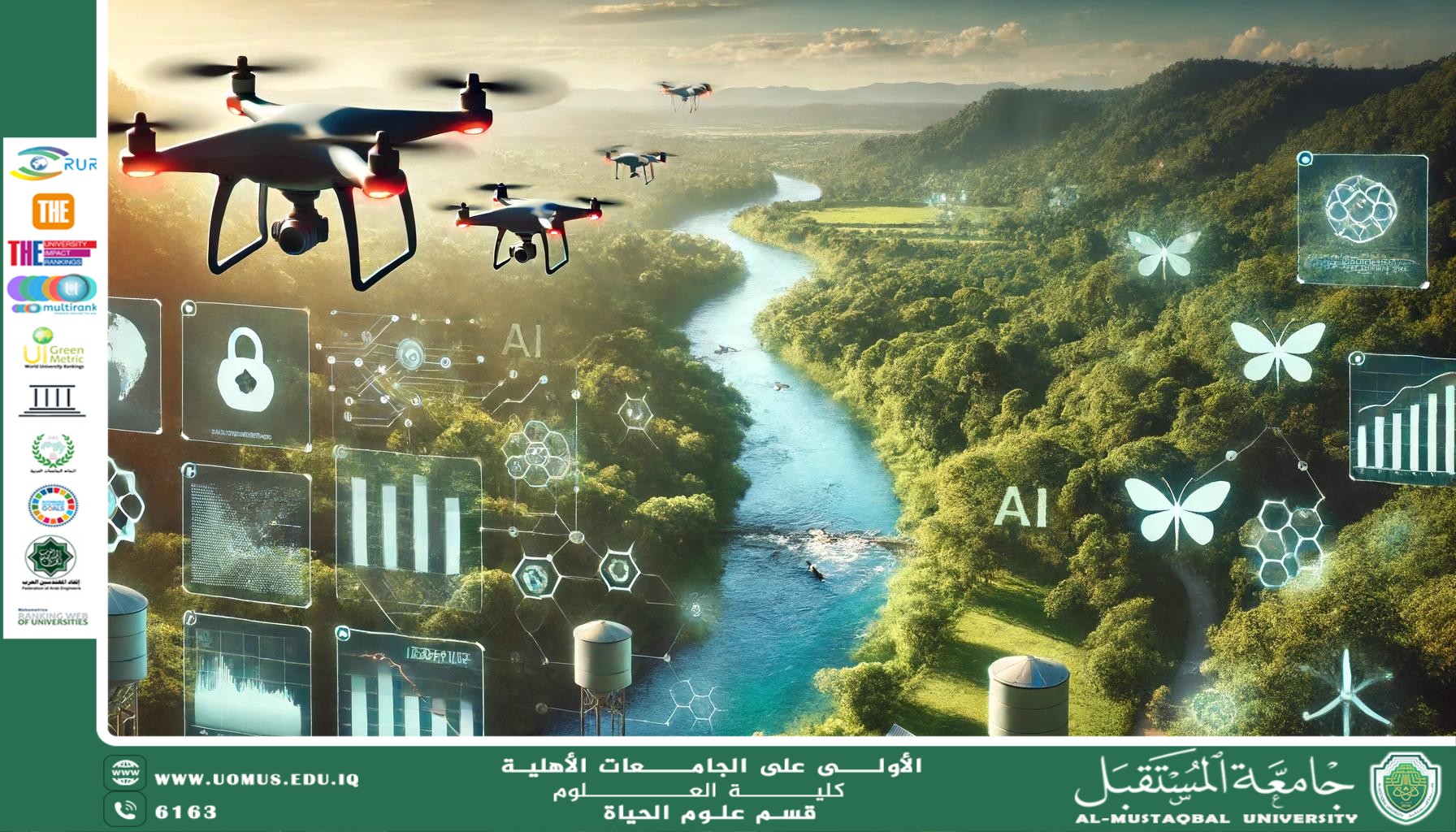
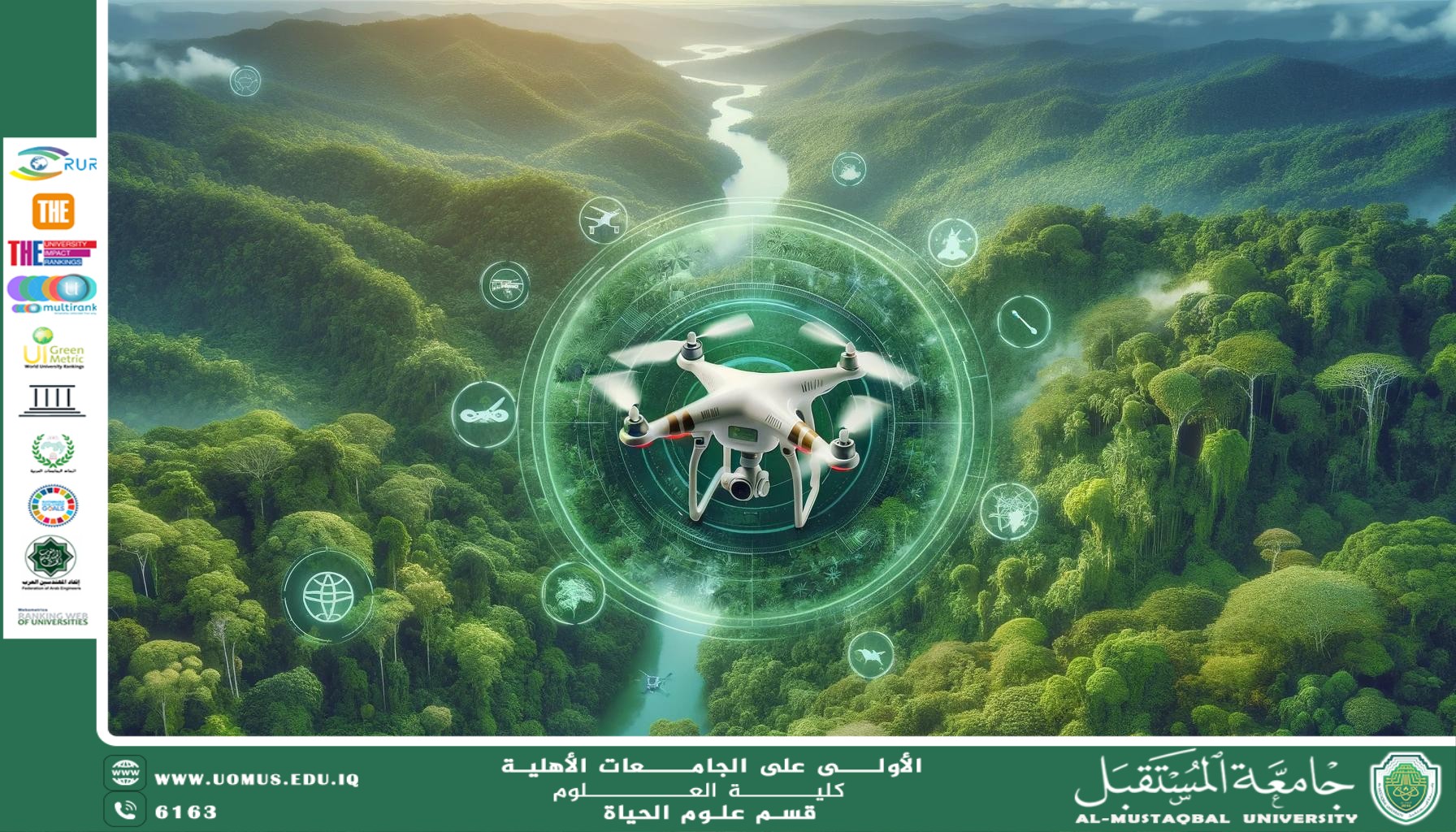
One of the key applications of AI is in monitoring biodiversity. Advanced AI models can process large volumes of data from remote sensing satellites, drones, and camera traps to identify species, track population dynamics, and detect changes in habitats. This allows for real-time monitoring and early detection of threats to ecosystems, such as habitat loss, invasive species, or climate-induced stress.
AI is also used in analyzing genetic diversity within species. Machine learning algorithms can examine genetic sequences to identify traits that enhance resilience, disease resistance, or adaptability to environmental changes. Such insights are critical for conservation planning, breeding programs, and maintaining the sustainability of agricultural and wild species.
In addition, AI supports sustainable resource management. Predictive models can estimate the impact of human activities, such as deforestation, fishing, and land use, on ecosystems. These models help policymakers and stakeholders make informed decisions that balance human needs with environmental protection. For example, AI can optimize irrigation schedules, plan reforestation projects, or determine sustainable harvest levels for fisheries.
AI also facilitates ecosystem modeling and climate change simulations. By integrating data on temperature, precipitation, soil conditions, and species interactions, AI models can simulate future scenarios and predict how ecosystems might respond to various interventions. This predictive capability is vital for developing adaptive management strategies in fragile or rapidly changing environments.
Moreover, AI aids in pollution control and remediation. Intelligent sensors and machine learning systems can detect pollutants in water, soil, and air, allowing for targeted interventions. AI-driven biotechnologies, such as engineered microorganisms, can also help clean contaminated environments, enhancing the resilience of biological systems.
Education and awareness are enhanced through AI-powered platforms that visualize ecological data and provide interactive learning tools. These platforms help communities, students, and decision-makers understand the importance of biodiversity and the need for sustainable practices.
In conclusion, artificial intelligence is a powerful ally in the study and management of sustainable biological systems. By enabling precise monitoring, predictive modeling, and data-driven decision-making, AI contributes significantly to preserving biodiversity, optimizing resource use, and ensuring the long-term stability of ecosystems.
Al-Mustaqbal University is the First University in Iraq
الهدف 11 – مدن ومجتمعات محلية مستدامة