A scientific article entitled "Neuroanaesthesia as a general anesthetic causes DNA damage" by lecturer Nour Sabah Jabr
17/04/2025 Share :
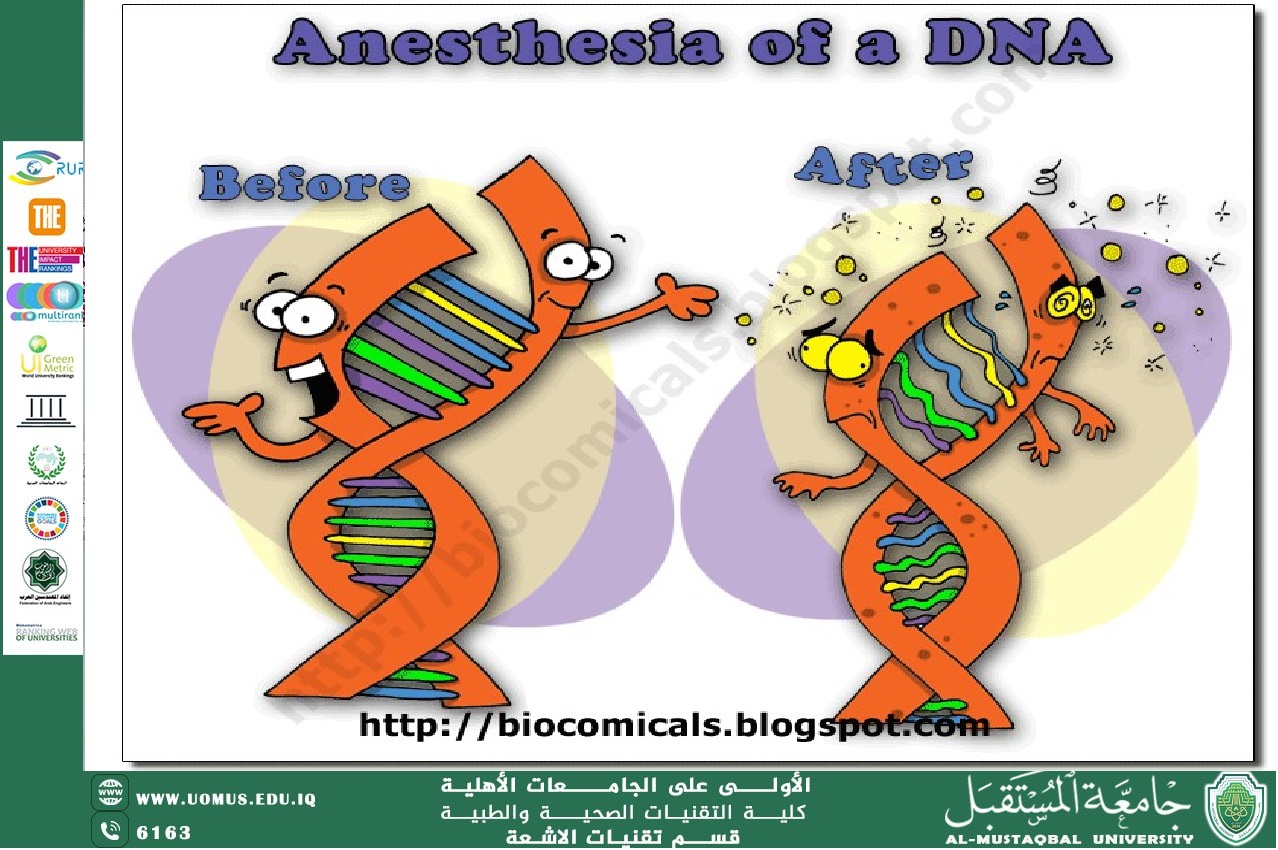
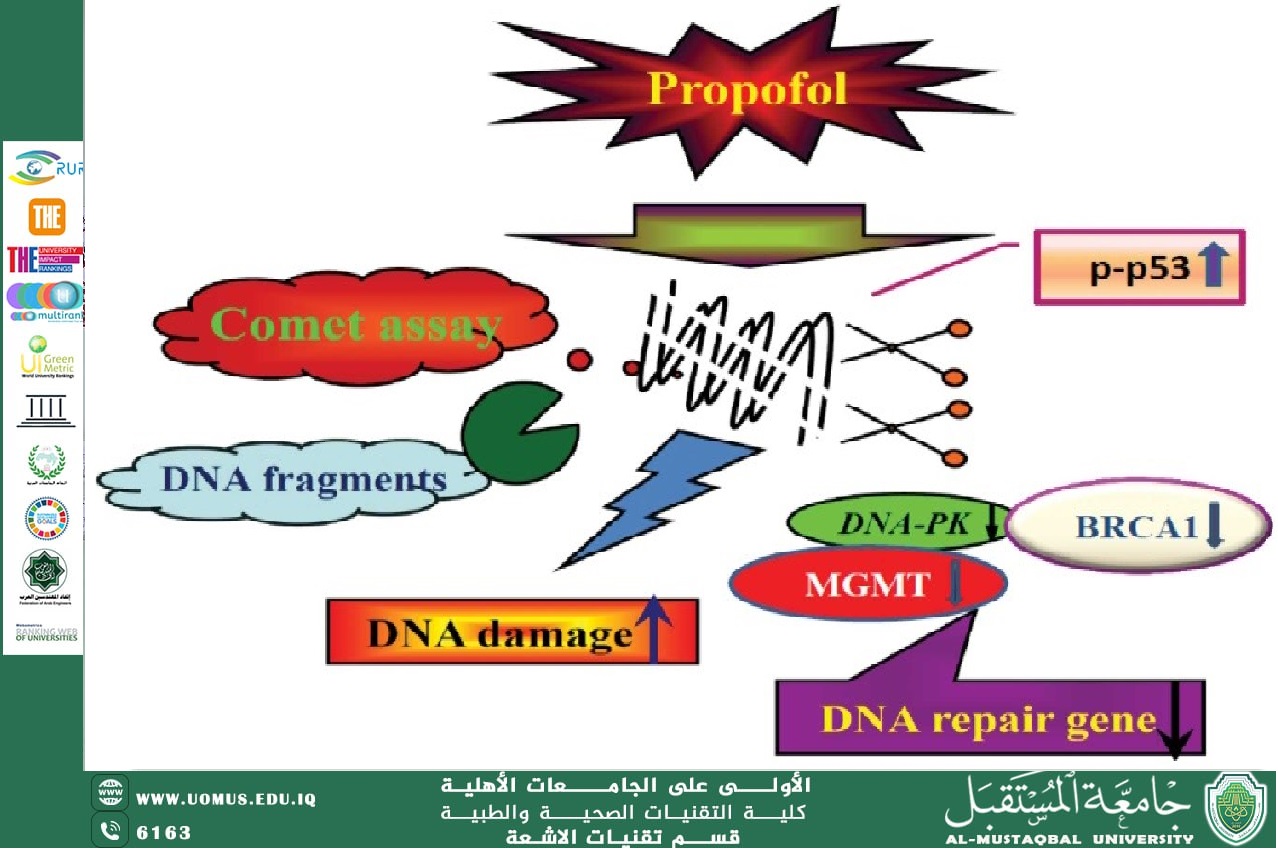
Neuraxial Anesthesia as General Anesthesia Damage DNA<br /><br />Anesthetics are unquestionably among the drugs that damage DNA integrity. DNA is constantly exposed to a variety of biological, chemical, and physical factors, all of which have the potential to change its structure and function. Anesthetic chemicals widely employed in general anesthesia (GA) or neuraxial anesthesia are examples of foreign compounds (NA). Concerns regarding their potential genotoxic effect have drawn attention to them. Anesthesia is used during surgery to alleviate pain. Anesthetics, on the other hand, are unable to totally inhibit the autonomic nervous system's responses to stressful stimuli. The autonomic nervous system's responses to traumatic stress continue to evolve, resulting in increased oxygen consumption, oxygen free radical generation, and decreased antioxidant activity. During anesthesia, a variety of medicines and methods are typically used. Various methods have been used to describe DNA structural damage caused by anesthesia, indicating that anesthetics alter human genetic information. Inhalational anesthesia's genotoxicity in patients who have undergone surgery and in employees who are occupationally exposed to anesthetics has recently been studied. The presence of even a minor amount of waste anesthetic gases can cause genetic harm.<br />Inhalation anesthetics are the most commonly utilized in GA. Volatile compounds have a sophisticated anesthetic process that involves a multitude of receptors, including GABA (gamma aminobutyric acid) and NMDA (N-methyl-D-aspartic acid) receptors. They are tiny hydrophobic molecules that penetrate through lipophilic cell membranes on a chemical level. In mitochondria, they reduce respiration and oxidative phosphorylation. Small amounts of reactive oxygen species (ROS) are produced by volatile anesthetics, either directly through interaction with the electron transport chain or indirectly through a signaling cascade involving G-protein-coupled receptors, protein kinases, and mitochondrial ATP-sensitive potassium channels.<br />Propofol is one of the most widely clinically used intravenous anesthetic, and it induces apoptosis in human and murine leukemia cell lines. Yet, whether propofol causes DNA damage and affects the mRNA expression of repair-associated genes in cancer cells remains undetermined. this may lead to cell mutations and to the development of malignancy.<br />Ketamine is not able to induce DNA damage until concentrations exceeding 700 μg/mL were used. However, data revealed that this oxidative DNA damage produced by ketamine on the DNA strand was repaired, reflecting the lack of mutagenesis potential The nature of the damage induced indicated that ROS production by ketamine renders the DNA susceptible to deleterious modifications. Cell death is subsequently induced by apoptosis, or disease-causing mutations can arise if the damage is irreparable. Moreover, lymphocytes in the proliferative phase can repair DNA damage more rapidly than their quiescent counterparts