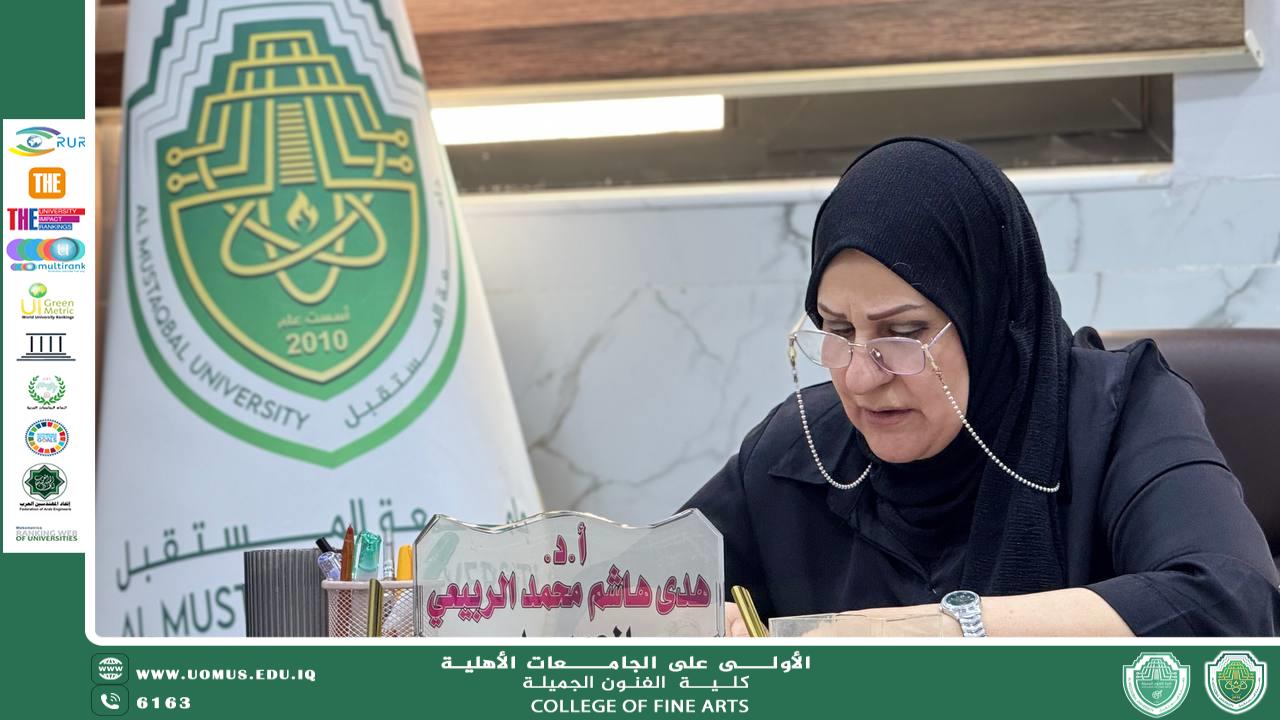
An Article "School Theatre: Between Reality and Challenge" By Prof.Dr. Huda Hashem Al-Rubaie, Dean of the College of Fine Arts
10/05/2025 Share :
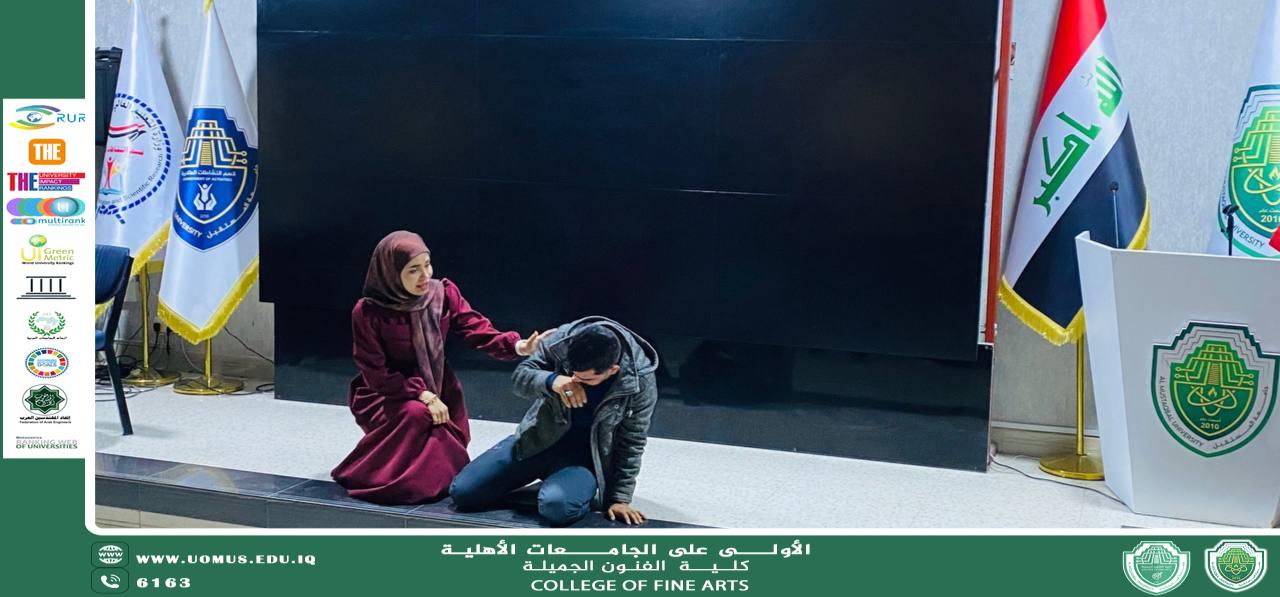
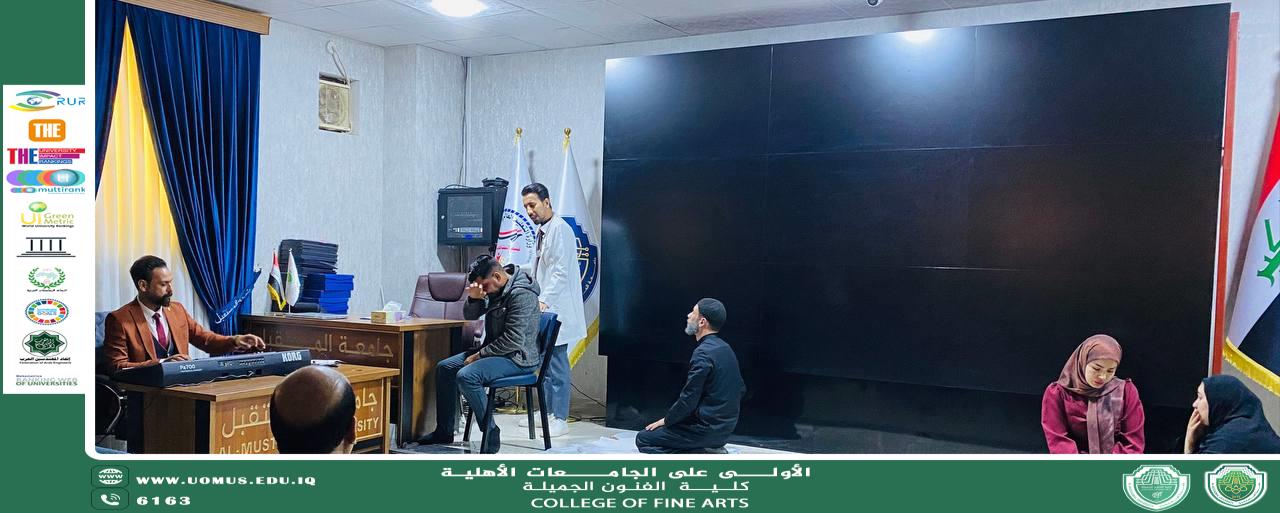
School theatre is considered one of the most prominent extracurricular activities that contribute to shaping students’ personalities and enhancing their expressive and intellectual skills. It is not merely a source of entertainment, but a powerful tool for education, value-building, and developing teamwork and leadership abilities.<br />The Current Reality of School Theatre<br />Despite its importance in the educational process, school theatre often suffers from marginalization and neglect. In many educational institutions, it is viewed as a secondary activity unworthy of serious attention. As a result, it is implemented sporadically or through individual efforts by interested teachers or students.<br />The lack of financial support, absence of qualified staff in acting and directing, and limited time within the school schedule are all factors that hinder the development and activation of school theatre. Furthermore, school curricula rarely integrate theatre arts effectively, which diminishes its perceived value among school administrators and teachers.<br />Challenges Facing School Theatre<br />Limited Resources and Technical Support<br />Most schools lack properly equipped stages or even suitable spaces for performances, not to mention essential sound and lighting tools.<br />Lack of Qualified Personnel<br />It is rare to find teachers specialized in theatre. Often, responsibility for theatre falls on individuals without adequate experience, which affects the quality of theatrical productions.<br />Insufficient Awareness of Theatre's Educational Role<br />Many school administrations fail to recognize the profound impact theatre can have on students' personality development and social and intellectual growth.<br />Overcrowded Academic Schedules<br />Busy school timetables filled with core subjects make it difficult to allocate sufficient time for theatrical activities.<br />Prospects for Developing School Theatre<br />To restore school theatre to its rightful place, a renewed vision that acknowledges its educational and cultural value is essential. Key proposed solutions include:<br />Integrating theatre into the school curriculum as a practical subject.<br />Providing training for teachers in educational theatre techniques.<br />Allocating budgets for arts and theatre activities.<br />Encouraging student participation in writing and preparing theatrical scripts to enhance their creativity.<br />Conclusion<br />School theatre remains a powerful tool in building a confident, expressive, and creative generation. Amid a reality full of challenges, it is imperative to set change in motion so that theatre can occupy its rightful place at the heart of the educational process—not at its margins.<br />Al-Mustaqbal University the first university of Iraq .