Article:The Use of Technology in Construction: Towards a Revolution in the Construction Sector
18/06/2025 Share :
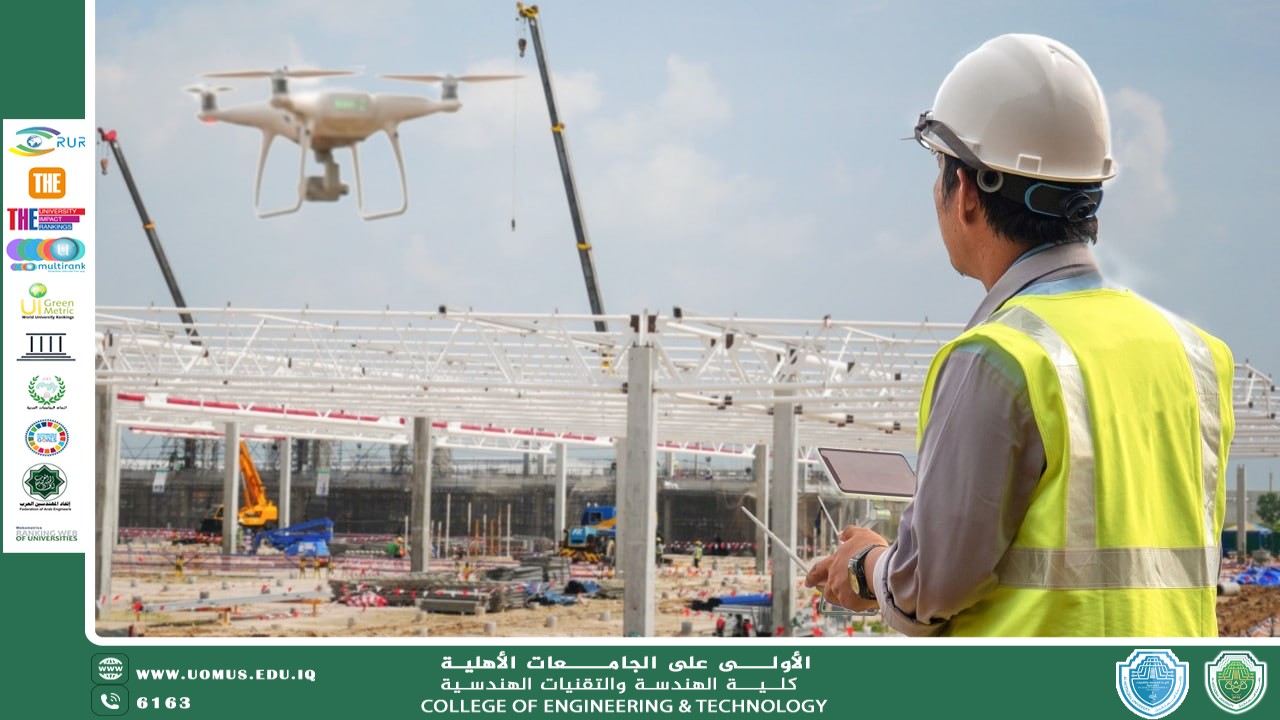
<br />The construction industry is undergoing a significant transformation due to rapid technological advancements. These developments have become essential in improving construction quality, accelerating processes, reducing costs, and minimizing environmental impacts. Technology offers smart and innovative solutions to traditional challenges, making construction more efficient, safer, and more sustainable.<br /><br />1. Building Information Modeling (BIM)<br />Building Information Modeling (BIM) is one of the most impactful innovations in the construction sector. It enables the creation of a 3D digital model that contains accurate information about every element of a project. BIM helps architects, engineers, and contractors make better decisions throughout the design, execution, and maintenance phases. It also reduces errors, enhances team coordination, and minimizes material and time waste.<br /><br />2. 3D Printing<br />3D printing has revolutionized the way homes and basic structures are built. Large-scale 3D printers can produce entire walls and architectural elements using concrete or other materials, based on pre-designed digital files. This method is known for its speed, cost-effectiveness, and reduced material waste—making it ideal for affordable housing or post-disaster reconstruction.<br /><br />3. Robotics and Smart Machinery<br />The use of robots in construction is becoming increasingly common, especially for repetitive or dangerous tasks such as bricklaying, welding, or excavation. These machines offer high precision and can operate continuously, improving productivity and reducing reliance on manual labor.<br />4. Drones<br />Drones play a vital role in surveying and monitoring construction sites. They can capture high-resolution aerial images and provide real-time data about project progress, safety, and quality control. Drones are particularly useful for large-scale infrastructure projects and terrain mapping.<br />5. Virtual and Augmented Reality (VR/AR)<br />VR and AR technologies allow clients and designers to interact with projects before construction begins. These tools offer realistic project visualizations, assist in safety training, and help guide workers during complex tasks. They enhance design accuracy and improve communication among stakeholders.<br /><br />6. Sustainability through Technology<br />Technology also promotes environmental sustainability in construction. Smart energy management systems, eco-friendly building materials, and environmental performance analysis tools help reduce carbon footprints and conserve resources. Digital platforms can track energy use, water consumption, and waste generation to support greener buildings.<br />Conclusion<br />Integrating technology into the construction sector is no longer optional—it is essential for achieving quality, efficiency, and safety. As innovation continues, the industry is expected to move further toward smart and sustainable construction, enabling communities to develop advanced built environments that meet future needs.<br />Asst. Lecturer Israa Mohsen Kazem