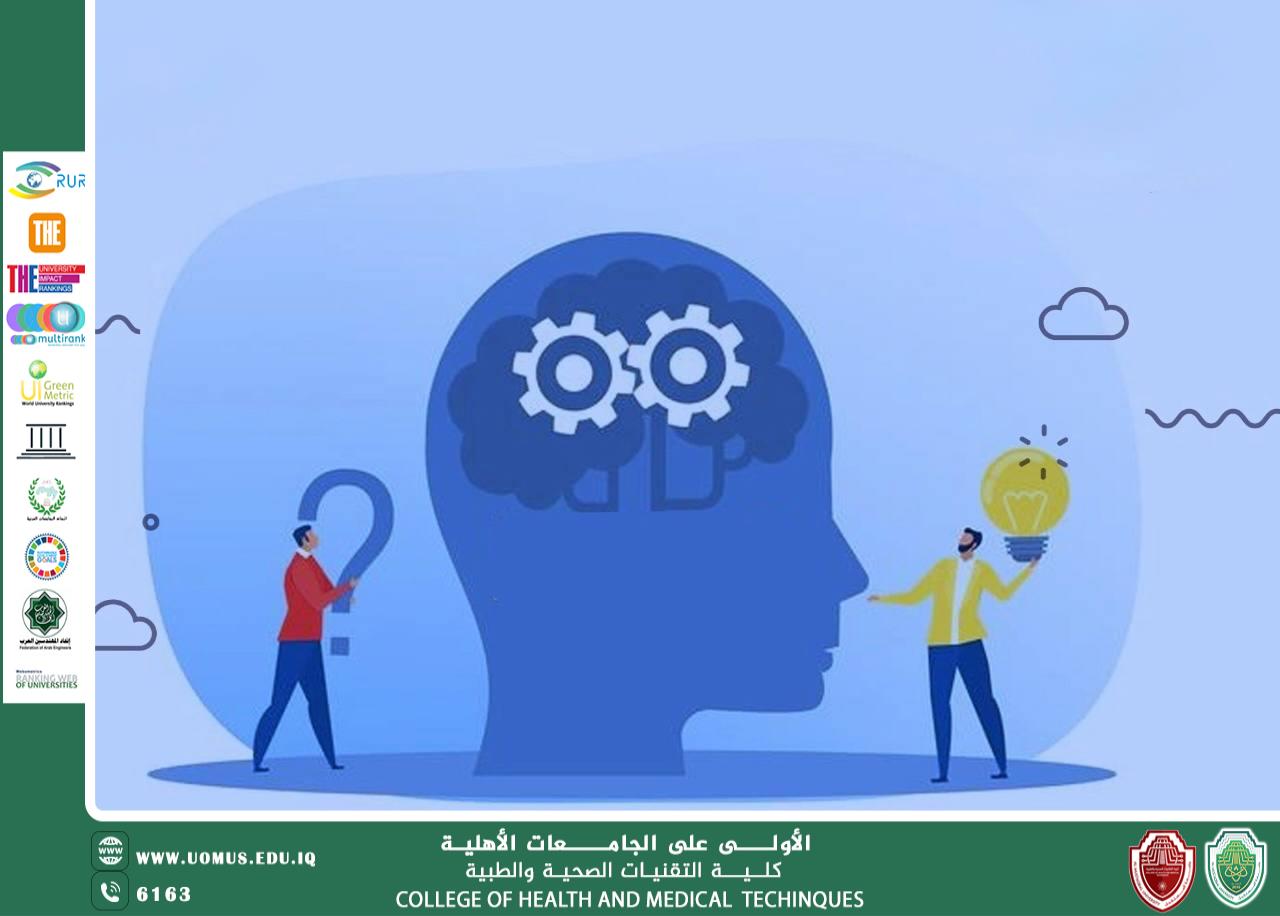
The Relationship Between Psychological and Cognitive Development and the Educational Process
15/09/2025 Share :
The educational process is considered one of the most complex human endeavors. It does not merely involve the transmission of knowledge from teacher to learner but is influenced by multiple factors, most notably the student’s psychological and cognitive development. Psychological development provides the foundation for emotional and social stability, while cognitive development equips the learner with the intellectual capacities necessary to understand, analyze, and process information. Hence, studying the interplay between these two dimensions is essential for adapting curricula and teaching strategies to the learner’s developmental characteristics across different age stages.<br />1. Psychological Development and Its Impact on Learning<br />Psychological development refers to the changes that occur in the emotional, social, and personality aspects of the individual throughout life. Within the educational environment, it plays a central role in:<br />1. Learning motivation: Achievement and self-esteem are closely tied to the student’s readiness to learn.<br />2. Social adjustment: Enabling the student to interact positively with peers and teachers.<br />3. Mental health: Emotional stability enhances focus and attention in the classroom.<br />2. Cognitive Development and Its Role in Learning<br />Cognitive development refers to the progression of intellectual abilities such as thinking, memory, attention, problem-solving, and creativity. Jean Piaget’s theory highlighted that each developmental stage is characterized by specific cognitive features that must be taken into account during instruction, including:<br />• Early childhood: Dominated by sensory thinking and reliance on tangible experiences.<br />• Middle and late childhood: Emergence of concrete logical thinking.<br />• Adolescence: Development of abstract thinking, analysis, and reasoning abilities.<br />3. Integration of Psychological and Cognitive Development in Education<br />The relationship between psychological and cognitive development is complementary, with each influencing the other:<br />• A student experiencing anxiety or fear may suffer from impaired memory and attention.<br />• Conversely, a psychologically stable student is more capable of utilizing their intellectual abilities effectively.<br />This demonstrates the necessity for teachers to address both psychological and cognitive aspects simultaneously, rather than focusing exclusively on academic performance.<br />4. Implications for the Educational Process<br />• Designing curricula that align with learners’ psychological and cognitive developmental levels.<br />• Selecting teaching strategies that accommodate individual differences while providing emotional support.<br />• Employing educational counseling to foster balanced student development.<br />• Adopting comprehensive assessment methods that evaluate not only academic achievement but also broader developmental dimensions.<br /><br />- effective education does not rely solely on knowledge transmission but requires a comprehensive understanding of both psychological and cognitive development. Each developmental stage carries its own characteristics and needs, which must be reflected in educational policies and teaching practices. This places responsibility on teachers and educational institutions to create an integrated learning environment that respects this balance, thereby ensuring the formation of well-rounded individuals—academically, psychologically, and socially.<br />https://www.un.org/sustainabledevelopment/ar/health/<br />Mustaqbal University <br />The First University in Ira<br />