Prevention Before Treatment in Dentistry
09/12/2025 Share :
Ali Hussein
When a patient visits a dental clinic suffering from pain or advanced complications, the disease has often progressed through stages that could have been prevented. This highlights the importance of prevention before treatment, not as a theoretical concept, but as a working philosophy that redefines the relationship between the dentist and the patient, and between disease and health.
Prevention in dentistry means intervening during the silent phase of disease, before clear symptoms appear. Dental caries, periodontal diseases, and pathological changes in oral tissues usually begin without pain and progress slowly until they reach stages that are difficult to manage. Regular examinations, continuous follow-up, and early risk assessment are essential tools for interrupting this progression before it becomes a clinical problem.
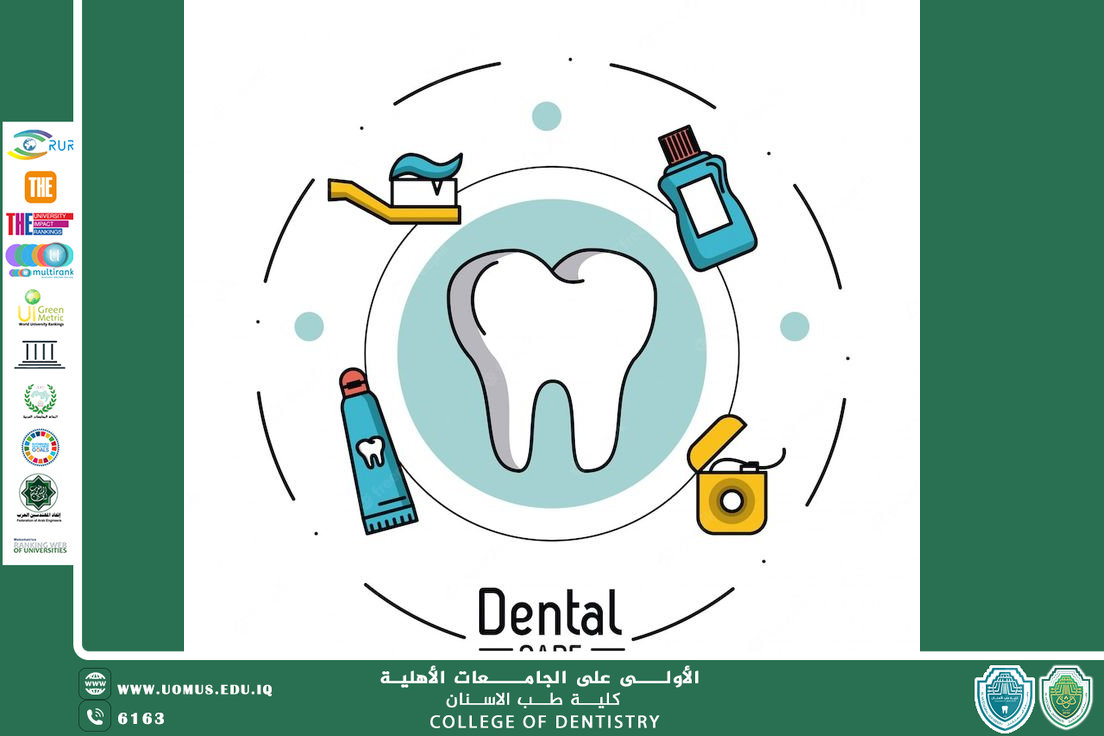
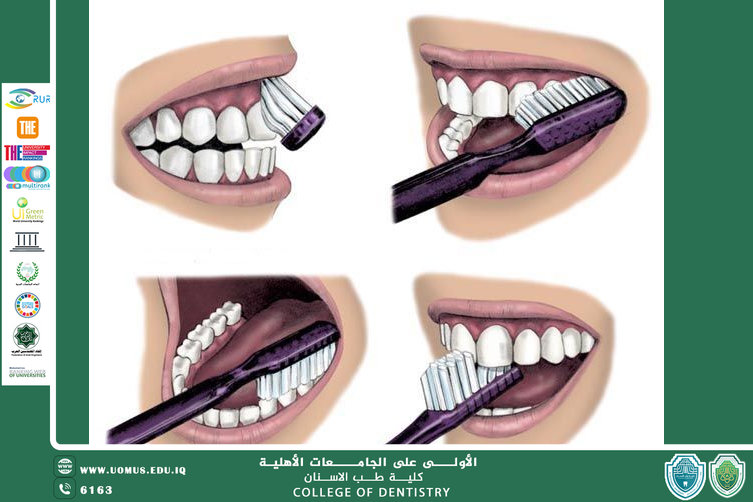
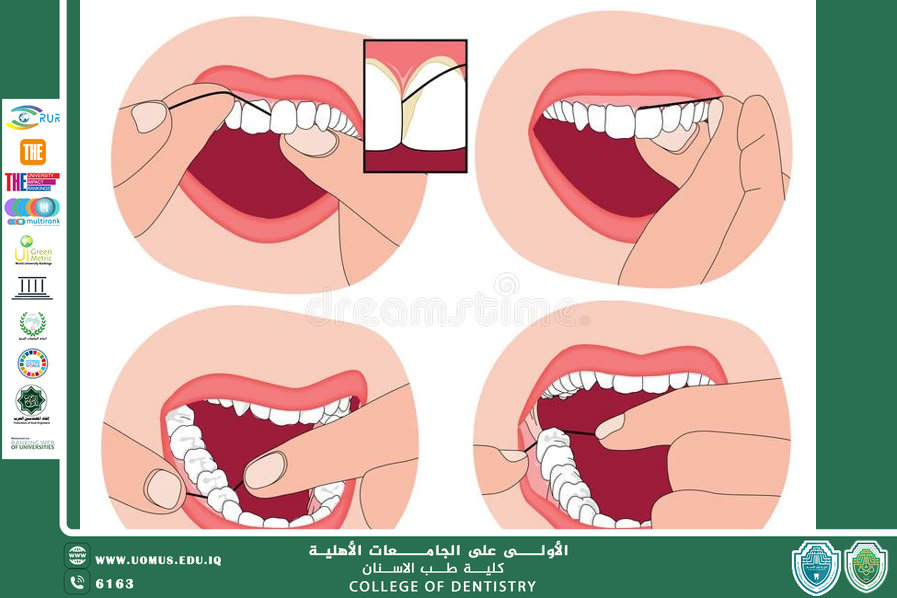
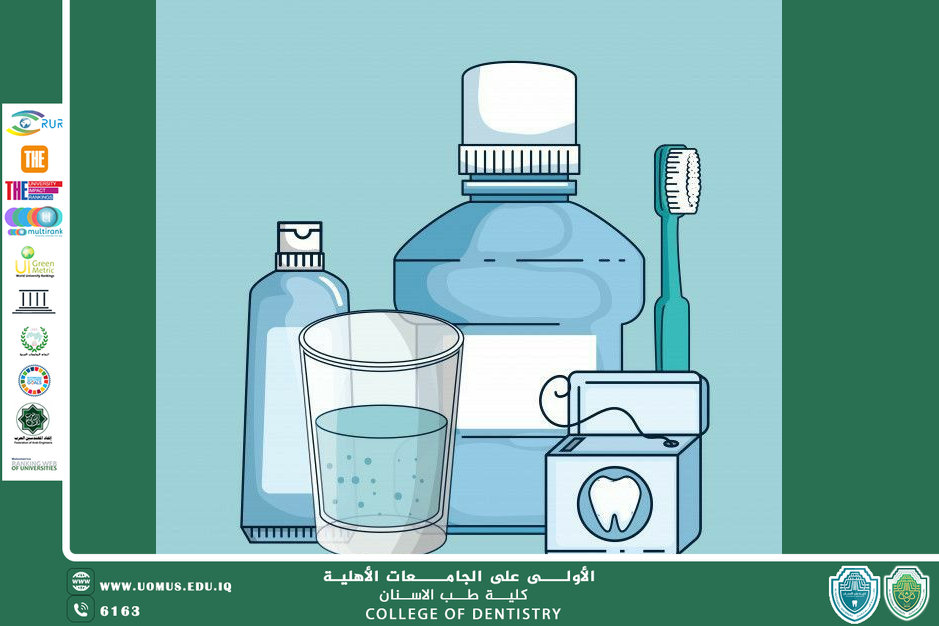
Prevention is not limited to clinical procedures alone; it extends to the patient’s daily behavior. Oral hygiene practices, dietary habits, and lifestyle choices all contribute to shaping the future of oral health. Here, the dentist assumes the role of a health guide—educating, persuading, and building long-term awareness rather than providing temporary therapeutic solutions.
At the healthcare system level, prevention represents a true investment. It reduces resource consumption, limits the need for complex treatments, and alleviates pressure on clinics and healthcare institutions. From an educational standpoint, embedding preventive concepts in dental education helps develop a generation of dentists who think in terms of health sustainability rather than damage repair.
Ultimately, prevention before treatment is not an optional approach in dentistry; it is the most rational and humane pathway to preserving oral health and achieving a balance between quality care, patient awareness, and sustainable healthcare systems.