Strategies in Farm Animal Breeding and Improvement
26/12/2025 Share :
Strategies in Farm Animal Breeding and Improvement
Prof. Dr. Thamer Kareem Khudair
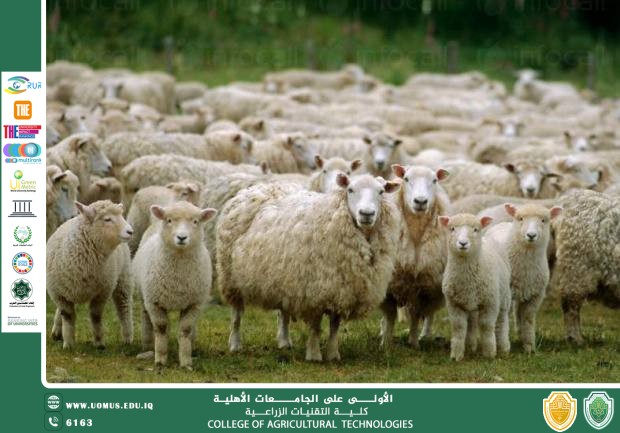
Farm animal breeding and improvement are considered fundamental pillars for achieving food security and sustainable agricultural development, due to their important role in providing animal protein sources and improving farmers’ income. This field has witnessed significant progress as a result of scientific and technological advancements, leading to the adoption of modern strategies aimed at increasing productive efficiency and improving the genetic and health traits of farm animals.
Concept of Farm Animal Breeding and Improvement
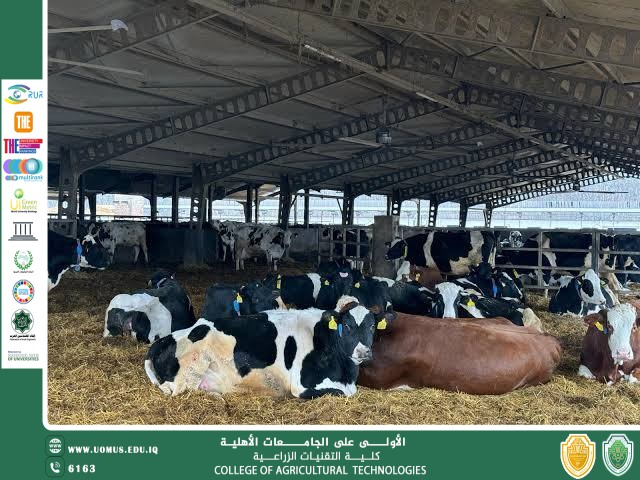
Farm animal breeding refers to a set of managerial and technical practices aimed at providing an appropriate environment for animals in terms of nutrition, housing, and healthcare, in order to achieve the highest possible productivity. Farm animal improvement, on the other hand, involves the use of genetic and managerial methods to enhance productive and reproductive traits such as growth rate, feed conversion efficiency, milk and meat production, and disease resistance.
Genetic Strategies in Farm Animal Improvement
Genetic strategies represent one of the most important foundations of animal improvement programs. These include genetic selection, which is based on choosing superior animals with desirable traits for breeding purposes. Crossbreeding is also employed to benefit from heterosis (hybrid vigor), whereby mating different breeds results in offspring with improved performance compared to their parents. In addition, modern biotechnological techniques such as artificial insemination and embryo transfer have contributed significantly to accelerating genetic improvement programs and disseminating superior traits on a wider scale.
Nutritional Strategies
Nutrition plays a pivotal role in farm animal breeding and improvement, as it directly affects productive and health performance. Modern nutritional strategies focus on formulating balanced rations that meet the nutritional requirements of animals at different growth and production stages. Furthermore, feed additives such as vitamins, minerals, and natural growth promoters are used to enhance feed utilization efficiency and reduce health problems.
Health and Management Strategies
Good management and integrated healthcare contribute substantially to improving livestock production efficiency. These strategies include the implementation of vaccination programs against diseases, continuous monitoring of animal health status, and improving housing, ventilation, and hygiene systems. Moreover, training and enhancing the skills of farm workers in proper animal handling are essential factors in reducing stress and improving overall performance.
Role of Modern Technologies in Improving Animal Production
Technological advancements have led to the introduction of modern systems in farm animal production, such as information systems for herd management and sensing technologies for monitoring animal health and productivity. These technologies have supported accurate and timely decision-making, contributing to improved production and reduced losses.
Conclusion
It can be concluded that adopting integrated strategies in farm animal breeding and improvement, encompassing genetic, nutritional, health, and management aspects, is essential for achieving sustainable development in the livestock production sector. Furthermore, the effective utilization of modern technologies and continuous scientific research plays a vital role in advancing this sector and enhancing its capacity to meet society’s growing demand for animal products.
University of Al-Mustaqbal – First among Private Universities in Iraq