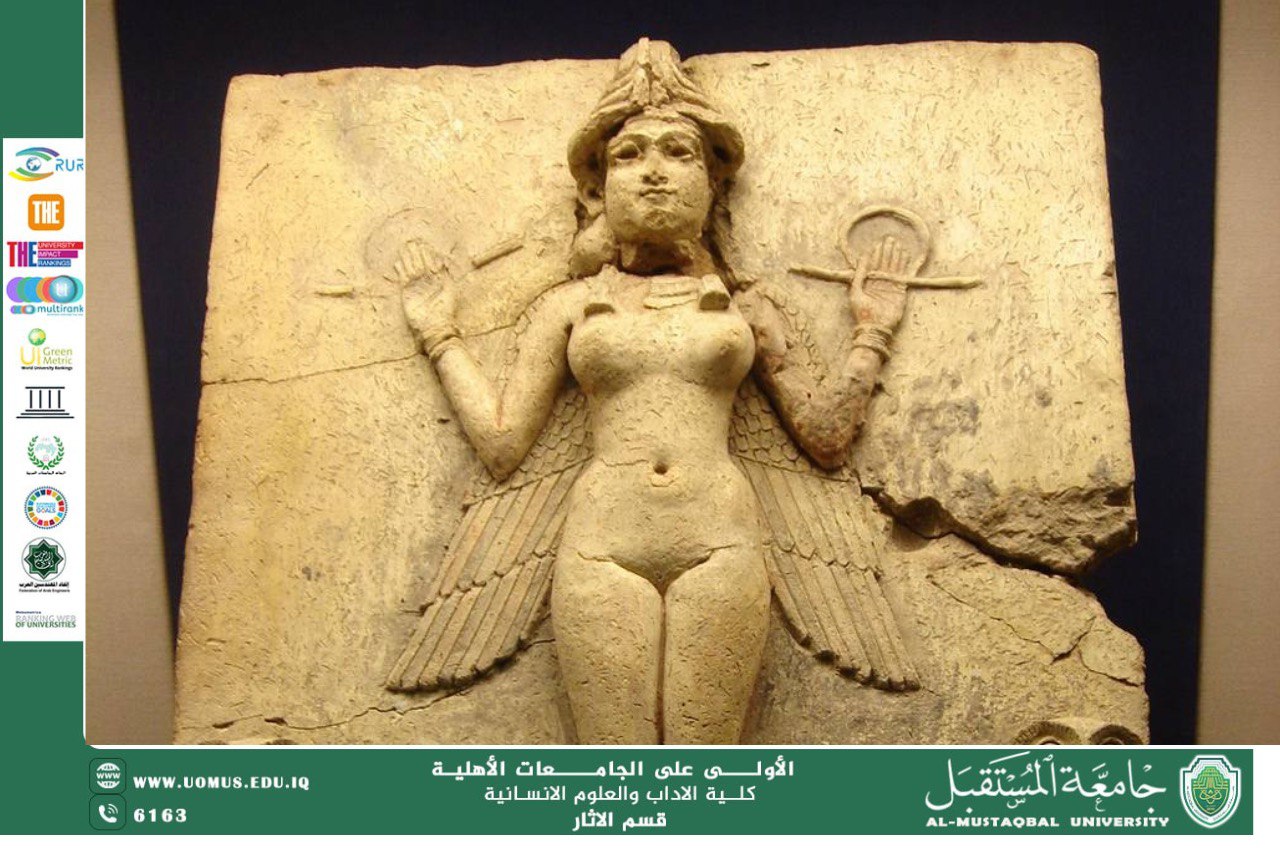
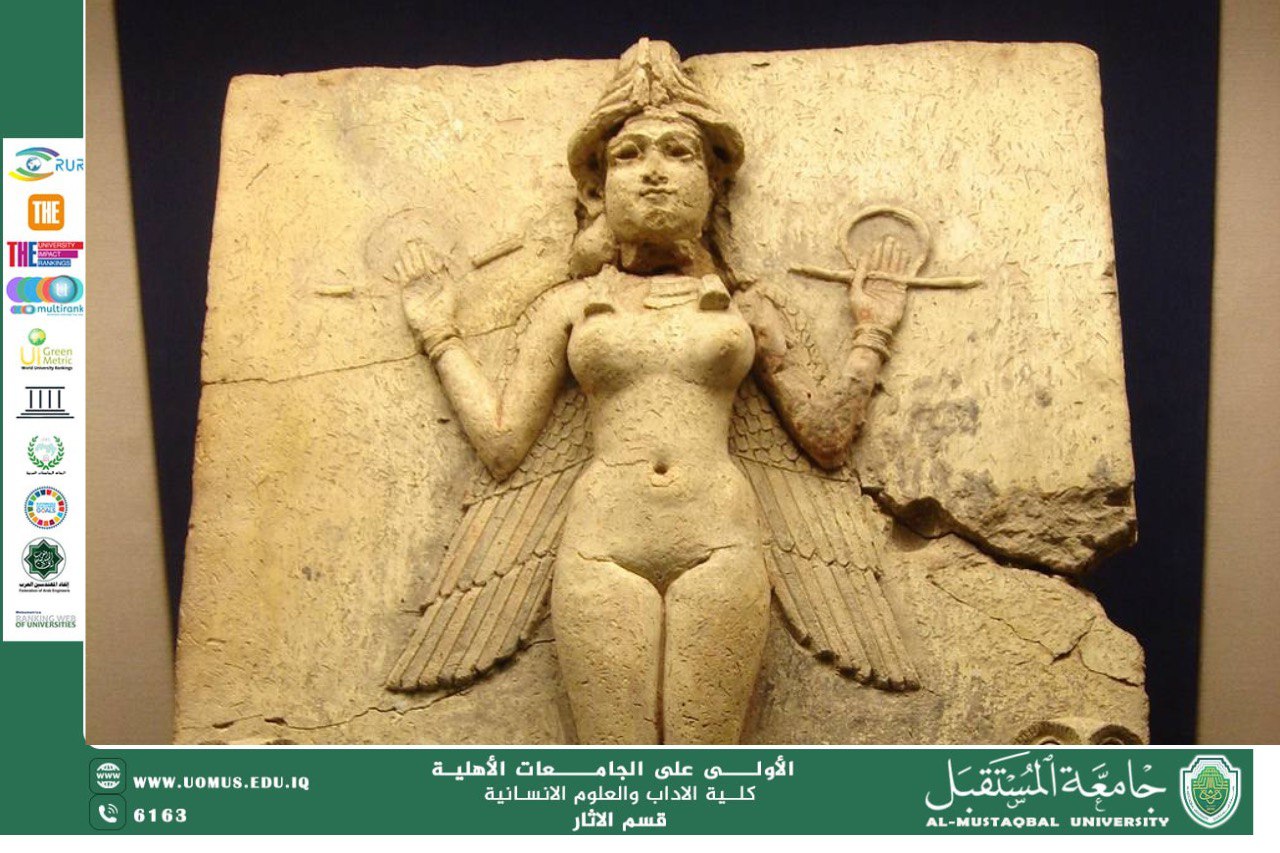
Ishtar: Goddess of Love, War, and Fertility in Mesopotamia
Ishtar is considered one of the most prominent goddesses in the ancient civilizations of Mesopotamia, where she was worshiped in Sumer, Akkad, Assyria, and Babylonia. Ishtar was a multifaceted deity who embodied love, sex, and fertility, while at the same time being a goddess of war and conflict. This diversity in her roles made her a central figure in the myths and beliefs of that era.
Origins and Development of Ishtar
Ishtar first appeared in Sumerian civilization under the name Inanna, which means “Lady of Heaven.” Over time, and with the expansion of empires, her name evolved into Ishtar in the Eastern Semitic languages (Akkadian, Assyrian, and Babylonian). Despite the change in name, her core attributes and roles remained the same.
Inanna/Ishtar was associated with the planet Venus, which appears as the “Morning Star” and the “Evening Star,” symbolizing the duality of her nature as a goddess of life and death, or war and peace.
Her Multiple Roles
Goddess of Love, Sex, and Fertility:
One of Ishtar’s most prominent roles was her association with love, sex, and fertility. She was worshiped as a symbol of beauty and desire, and rituals and ceremonies were performed in her honor to ensure the fertility of the land, livestock, and humans. She was often depicted as a beautiful and powerful woman, symbolizing the force of life and procreation.
Goddess of War and Conflict:
On the other hand, Ishtar was also a fierce warrior goddess. She was known for her strength and resilience in battle and was often depicted carrying weapons. Kings and military leaders sought her support before going to war, believing that she granted victory and courage. This duality in her roles reflects the ancient view of life, where creative power intertwines with destructive power.
Myths of Ishtar
Mesopotamian mythology is rich with stories about Ishtar, the most famous of which is the myth of “Ishtar’s Descent to the Underworld.” This myth tells the story of Ishtar’s descent into the realm of the dead to rescue her lover Tammuz (Dumuzi). At each gate she passes through, she is stripped of one of her ornaments and garments until she reaches the underworld naked and powerless. This journey symbolizes the cycles of life and death, the seasons, and the renewal of nature.
Worship of Ishtar and Her Influence
Temples dedicated to Ishtar were spread throughout Mesopotamia and served as centers of religious and social life. Offerings and gifts were presented to her, and festivals and celebrations were held in her honor throughout the year. Ishtar’s influence endured for many centuries and extended beyond Mesopotamia, as similar goddesses appeared in other civilizations, such as Aphrodite in Greek and Roman culture.
To this day, Ishtar remains a symbol of feminine power, the contradictions inherent in human nature, and the eternal cycle of life.