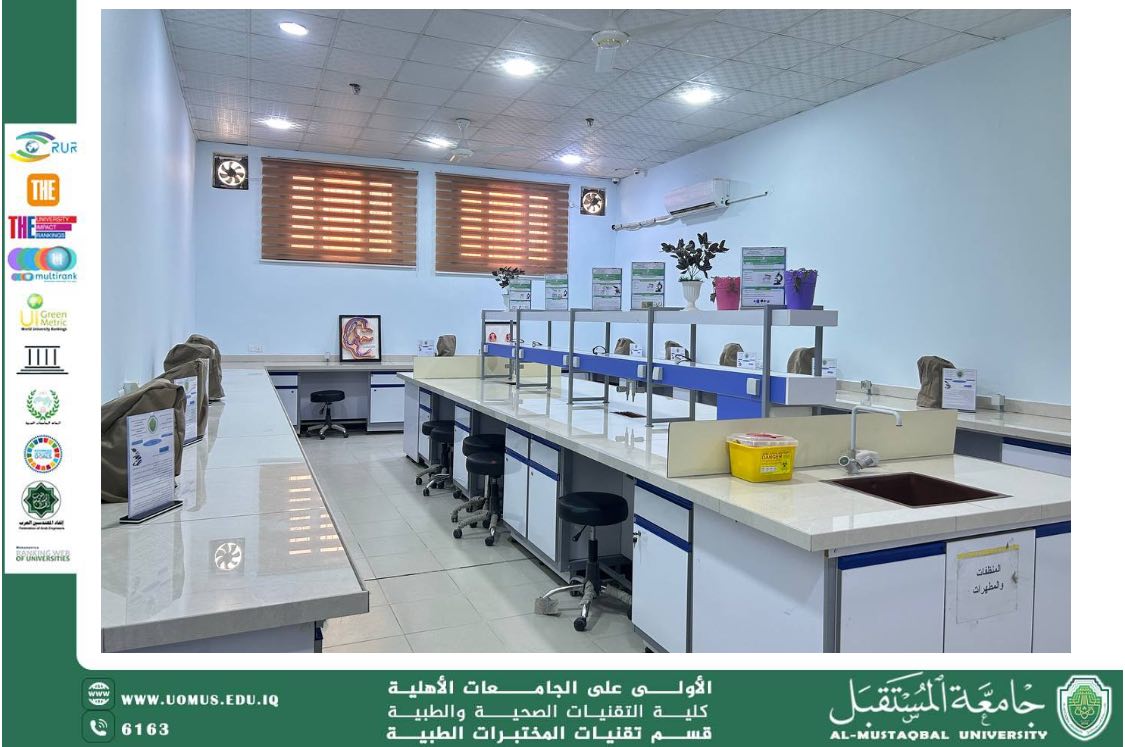
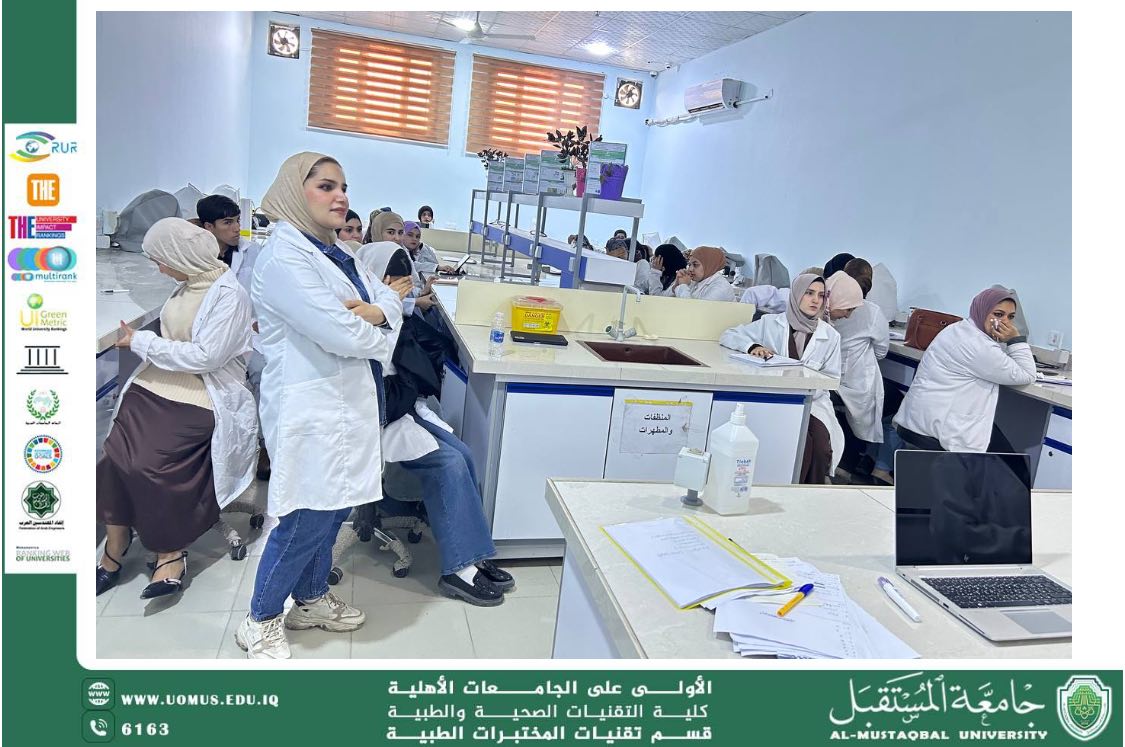
A Scientific Article by Ms. Doaa Fadhil Kazem Entitled: Laboratory Work Methods and Safety Procedures
Laboratory Work Methods and Safety Procedures
Scientific laboratories are an essential environment for conducting experiments and research in various scientific fields such as chemistry, biology, physics, and medical sciences. Given that laboratories contain chemicals, precise instruments, and sometimes hazardous materials, adherence to proper work methods and safety procedures is of utmost importance to protect personnel and ensure the accuracy of scientific results.
First: Laboratory Work Methods
Laboratory work methods are based on scientific and organizational principles aimed at achieving efficiency and accuracy. The most important of these include:
1. Advance Planning of the Experiment
The steps and objectives of the experiment must be clearly understood before starting. Instructions should be carefully read to identify the required materials, equipment, and methods of use.
2. Organizing the Workspace
Maintaining order among tools and materials and placing each item in its designated location reduces errors and accidents.
3. Proper Use of Equipment
Devices should be operated according to technical instructions and not used without prior training, while ensuring they are calibrated and in proper working condition.
4. Accurate Recording of Results
Writing down observations and results immediately during the experiment helps ensure reliability and allows experiments to be repeated and results verified.
5. Safe Disposal of Waste
Chemical and biological waste must be disposed of according to approved guidelines and should never be discarded randomly.
Second: Laboratory Safety Procedures
Safety procedures are a set of rules designed to minimize risks and protect individuals and property. The most important include:
1. Wearing Personal Protective Equipment (PPE)
Such as lab coats, gloves, safety goggles, and masks when necessary.
2. Understanding the Hazards of Used Materials
Safety Data Sheets (MSDS) should be reviewed to understand the properties of chemicals and how to handle them in emergency situations.
3. Prohibition of Eating and Drinking in the Laboratory
To prevent contamination of materials or the transfer of hazardous substances into the body.
4. Proper Handling of Flammable Materials
Keeping them away from heat sources and open flames, and using them in well-ventilated areas.
5. Preparedness for Emergencies
Knowing the locations of fire extinguishers, emergency exits, first aid kits, and how to act in the event of spills or accidents.
Adherence to proper work methods and safety procedures in laboratories not only protects individuals but also contributes to improving the quality and accuracy of scientific research. Therefore, fostering a culture of laboratory safety among students and staff is essential and should be an integral part of daily scientific practice.
Al-Mustaqbal University is the first university in Iraq
Department of Medical Laboratory Techniques – First in the Iraqi National Ranking.