A Scientific Article by Dr. Dakhil Nasser Taha entitled: Quality of Medical Laboratories
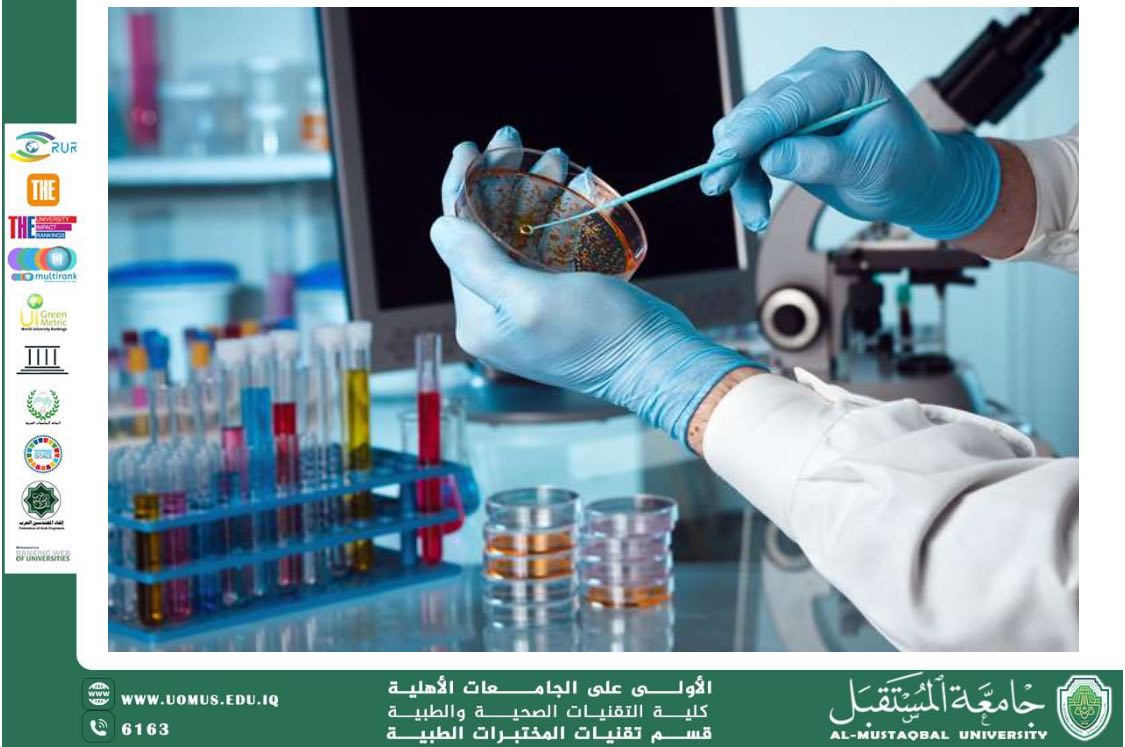
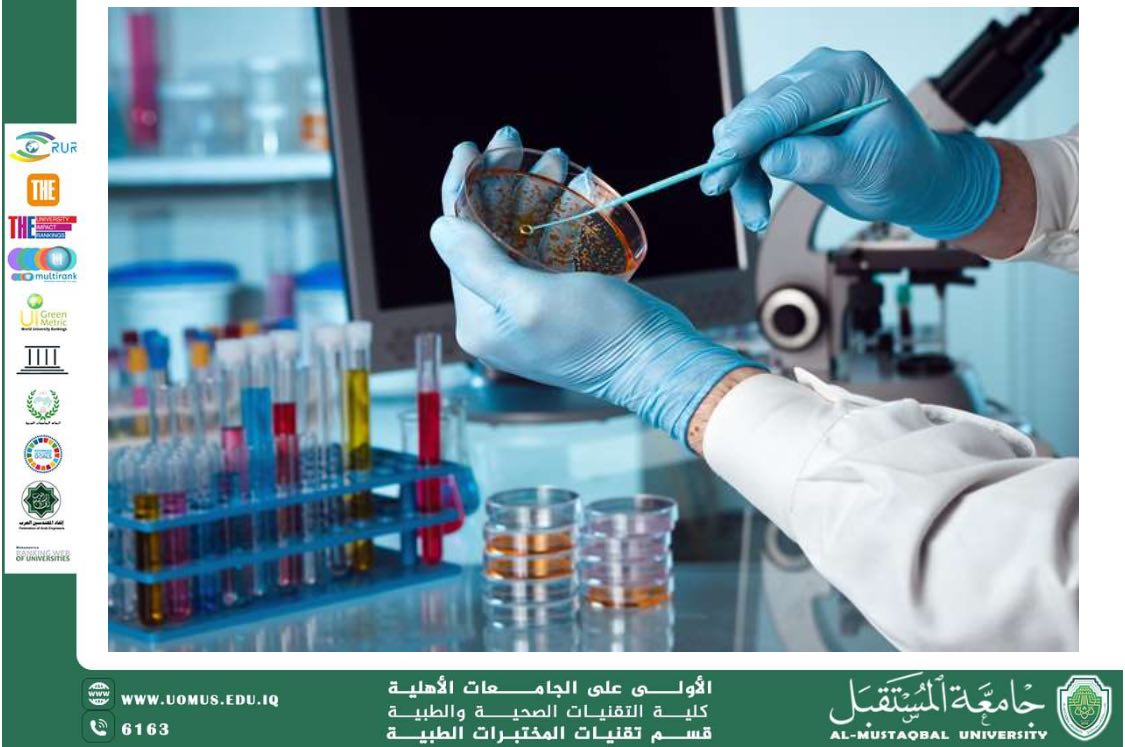
Medical laboratories are considered one of the fundamental pillars of the healthcare system, as they play a vital role in disease diagnosis, patient monitoring, and the development of appropriate treatment plans. Therefore, the quality of medical laboratories is of great importance to ensure the accuracy of results and patient safety.
The quality of medical laboratories includes several key aspects, foremost among them being the competence of human resources. Laboratory personnel must be scientifically qualified and continuously trained in the latest laboratory techniques. In addition, modern instruments and equipment play a crucial role in improving the accuracy of analyses and reducing the rate of errors.
Another important element of quality is adherence to safety and hygiene standards within the laboratory, which helps protect both staff and patients from infection or contamination. Moreover, the implementation of international quality systems, such as laboratory accreditation, contributes to standardizing procedures and ensuring the reliability of results.
The importance of internal and external quality control cannot be overlooked, as the accuracy of results is verified through periodic testing and comparison with other accredited laboratories. This process enhances confidence in laboratory results and supports physicians in making sound medical decisions.
In conclusion, the quality of medical laboratories is not an option but a fundamental necessity to ensure safe and effective healthcare. It directly contributes to improving the level of health services and protecting public health.
Al-Mustaqbal University is the first university in Iraq
Department of Medical Laboratory Techniques – First in the Iraqi National Ranking.