
Pollution
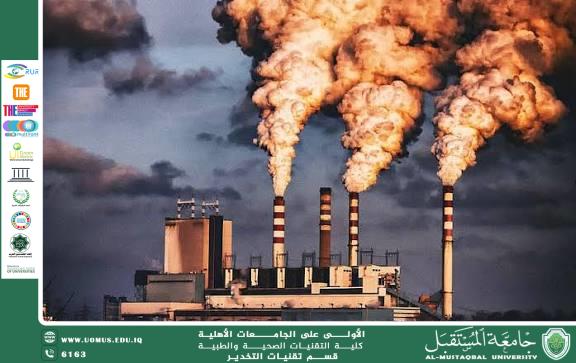
The introduction of contaminants into the natural environment that cause adverse change. Pollution can take the form of any substance (solid, liquid, or gas) or energy (such as radioactivity, heat, sound, or light). Pollutants, the components of pollution, can be either foreign substances/energies or naturally occurring contaminants.
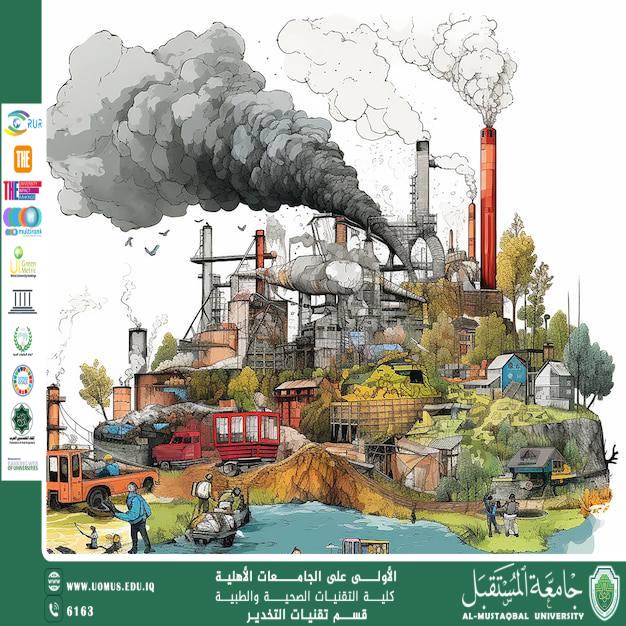
Although environmental pollution can be caused by natural events, the word pollution generally implies that the contaminants have an anthropogenic source that is, a source created by human activities, such as manufacturing, extractive industries, poor waste management, transportation or agriculture. Pollution is often classed as point source (coming from a highly concentrated specific site, such as a factory, mine, construction site), or nonpoint source pollution (coming from a widespread distributed sources, such as microplastics or agricultural runoff).
Many sources of pollution were unregulated parts of industrialization during the 19th and 20th centuries until the emergence of environmental regulation and pollution policy in the latter half of the 20th century. Sites where historically polluting industries released persistent pollutants may have legacy pollution long after the source of the pollution is stopped. Major forms of pollution include air pollution, water pollution, litter, noise pollution, plastic pollution, soil contamination, radioactive contamination, thermal pollution, light pollution, and visual pollution.
Pollution has widespread consequences on human and environmental health, having systematic impact on social and economic systems. In 2019, pollution killed approximately nine million people worldwide (about one in six deaths that year); about three-quarters of these deaths were caused by air pollution. A 2022 literature review found that levels of anthropogenic chemical pollution have exceeded planetary boundaries and now threaten entire ecosystems around the world. Pollutants frequently have outsized impacts on vulnerable populations, such as children and the elderly, and marginalized communities, because polluting industries and toxic waste sites tend to be collocated with populations with less economic and political power. This outsized impact is a core reason for the formation of the environmental justice movement, and continues to be a core element of environmental conflicts, particularly in the Global South.
Because of the impacts of these chemicals, local and international countries' policy have increasingly sought to regulate pollutants, resulting in increasing air and water quality standards, alongside regulation of specific waste streams. Regional and national policy is typically supervised by environmental agencies or ministries, while international efforts are coordinated by the UN Environmental Program and other treaty bodies. Pollution mitigation is an important part of all of the Sustainable Development Goals.
Types of Pollution:
1) Air pollution
2) Electromagnetic pollution
3) Light pollution.
4) Littering
5) Noise pollution
6) Plastic pollution
7) Soil contamination occurs when chemicals are released by spill or underground leakage.
8) Radioactive contamination, resulting from 20th century activities in atomic physics, such as nuclear power generation and nuclear weapons research, manufacture and deployment.
9) Thermal pollution, is a temperature change in natural water bodies caused by human influence, as use of water as coolant in a power plant.
10) Visual pollution, which can refer to the presence of overhead power lines, motorway billboards, scarred landforms (as from strip mining), open storage of trash, municipal solid waste or space debris.
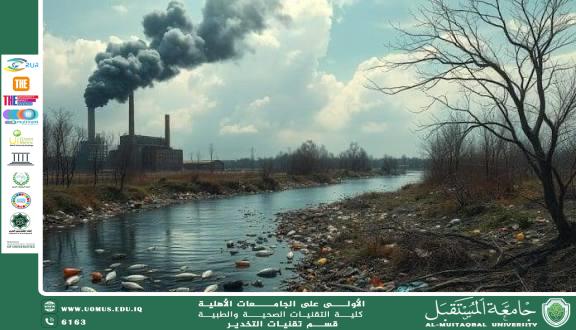
11) Water pollution, caused by the discharge of industrial wastewater from commercial and industrial waste (intentionally or through spills) into surface waters; discharges of untreated sewage and chemical contaminants, such as chlorine, from treated sewage.
The Effect of Pollution on Health:
These pollutants increase the risk of heart and respiratory diseases, as well as lung cancer and strokes.
Ozone is a major factor in causing asthma (or making it worse), and nitrogen dioxide and sulfurdioxide can also cause asthma, bronchial symptoms, lung inflammation and reduced lung function.
1) Asthma.
2) Autism.
3) Autoimmune Diseases.
4) Breast Cancer.
5) Inflammation.
6) Kidney Disease.
7) Lung Diseases.