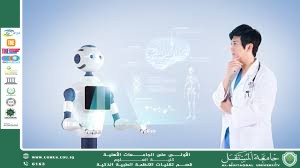

Genetic Analysis Technologies Using Artificial Intelligence
Genetic analysis has witnessed rapid advancement due to the significant progress in artificial intelligence technologies, which have brought about a qualitative shift in the study of DNA and the understanding of human genetic makeup. Today, genetic data have become increasingly complex and massive, making traditional methods insufficient to handle them efficiently. Here, artificial intelligence emerges as a fundamental tool for analyzing such data with high speed and accuracy.
Artificial intelligence algorithms, particularly machine learning and deep learning techniques, contribute to accelerating genetic analysis by processing vast amounts of data in a very short time. These algorithms are capable of identifying genetic patterns and complex relationships among genes that are difficult to detect using conventional approaches. They also enable faster genome sequencing analysis, reducing the time required to conduct genetic tests and supporting quicker diagnosis and medical decision-making.
In addition to speed, artificial intelligence plays a crucial role in improving the accuracy of DNA testing. Intelligent systems can minimize errors associated with human analysis or traditional techniques by continuously validating data and comparing results with extensive genetic databases. Moreover, these technologies are used to predict genetic mutations linked to hereditary diseases, allowing for more precise diagnosis and the assessment of disease risks even before clinical symptoms appear.
This technological progress has had a clear impact on modern medicine, particularly in personalized medicine, where artificial intelligence supports the development of customized treatment plans based on an individual’s genetic profile. It also enhances scientific research by facilitating the discovery of new drugs and deepening the understanding of genetic disease mechanisms, thereby improving the quality of healthcare and enabling early prevention.
In light of these developments, integrating artificial intelligence with genetic analysis technologies represents a pivotal step toward a more accurate and efficient medical future. These technologies not only accelerate analysis and improve its outcomes but also open new horizons for advancing medical and biological sciences, strengthening opportunities for early diagnosis, effective treatment, and overall improvement in human health.
University of Al-Mustaqbal – the first university in Iraq.