Iraqi Art History: From the Memory of Civilization to the Pulse of Creativity
Art in Iraq has never been merely an aesthetic practice. Since the dawn of civilization, it has been an act of consciousness and humanity, a means of understanding the world and preserving collective memory. From Mesopotamia, where the first letters were written and the earliest symbols carved, art emerged as a timeless language that preceded speech and accompanied the Iraqi people throughout their long journey with life, the sacred, authority, and nature.
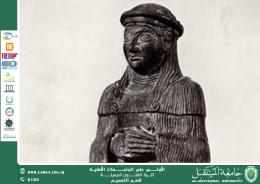
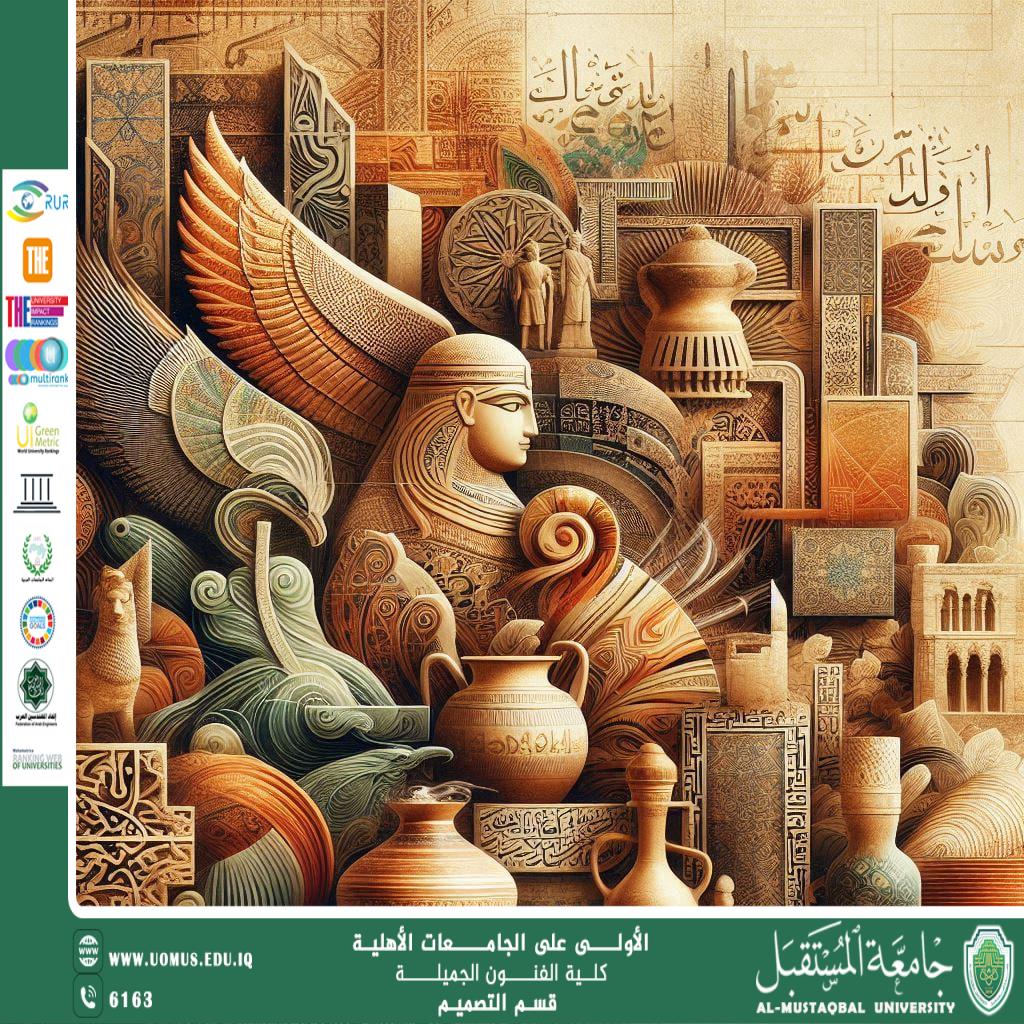
In the civilizations of Sumer, Akkad, Babylon, and Assyria, art assumed both functional and spiritual dimensions. Sumerian statues were not simple stone figures, but embodiments of eternal presence before the gods, while Babylonian and Assyrian reliefs served as visual records of power, victory, and cosmic order. Ancient Iraqi art combined simplicity with symbolism and formal rigidity with profound meaning, establishing one of the oldest artistic traditions in human history.
Art as a Mirror of Society
Iraqi art has always reflected the concerns, dreams, and struggles of society. In every cuneiform inscription and artistic creation, social, political, and religious values can be discerned. Art thus became Iraq’s living memory, recording hope and fear, loyalty and love, strength and fragility, bearing witness to human experience across the ages.
Through successive periods, Iraqi art did not disappear but transformed and adapted. In the Islamic era, it reshaped itself through architecture, calligraphy, and ornamentation, where direct representation receded in favor of abstraction. Beauty became a geometric and spiritual system reflecting unity and cosmic harmony. Arabic calligraphy in Iraq emerged as both art and thought, a bridge between word and image, reason and spirit.
Modern and Contemporary Iraqi Art
In modern times, Iraqi art faced a dual challenge: preserving its deep roots while engaging with global artistic movements. A generation of artists reinterpreted heritage through contemporary visions, drawing on Mesopotamian symbols, Arabic calligraphy, and popular memory, blending them with modernist and experimental approaches. Their works expressed the anxieties, questions, and concerns of the Iraqi individual.
In recent decades, Iraqi art has become a space of experimentation and transcendence. Artists combined calligraphy with abstraction, used clay and local materials, and reimagined ancient symbols through contemporary visual languages. Art thus became a silent form of resistance, asserting identity and continuity amid fragmentation and turmoil.
Art, War, and Memory
Any discussion of Iraqi art must address the impact of wars and catastrophes. Artistic works often documented pain and resilience, expressed longing for safety, and affirmed the will to live. Art became a witness to collective tragedy and a means of psychological and social reconstruction, transforming suffering into meaning.
Iraqi Art as a Bridge Between Civilizations
Standing between past and present, East and West, Iraqi art functions as a bridge connecting Mesopotamian heritage with Islamic architecture and modern creativity. It is not a static legacy, but an ongoing dialogue with the world and a continuous effort to redefine place, time, and humanity.
When Iraqi art history is linked to the present, it becomes clear that art is not a silent archive but a living entity that breathes with society. Just as it once served to affirm cosmic order, it now raises questions, restores meaning, and shapes new human horizons. Cultural institutions, universities, and art festivals thus bear ethical responsibility in preserving memory and supporting creativity.
Conclusion
The history of Iraqi art is a history of resilience and transformation. It proves that this land, despite all adversities, continues to generate beauty. Art in Iraq was not born from emptiness, nor will it end in ruin, for it is part of the spirit of the place and the voice of a civilization that still speaks. It stands as testimony to humanity’s capacity for creativity in the darkest circumstances and as evidence that beauty can emerge from pain. Iraqi art, therefore, is not merely a legacy, but a living fabric of memories, dreams, and questions that renew themselves with every generation.
Almustaqbal University, The First University in Iraq.