Internet of Things Technologies and Their Applications in the University Environment
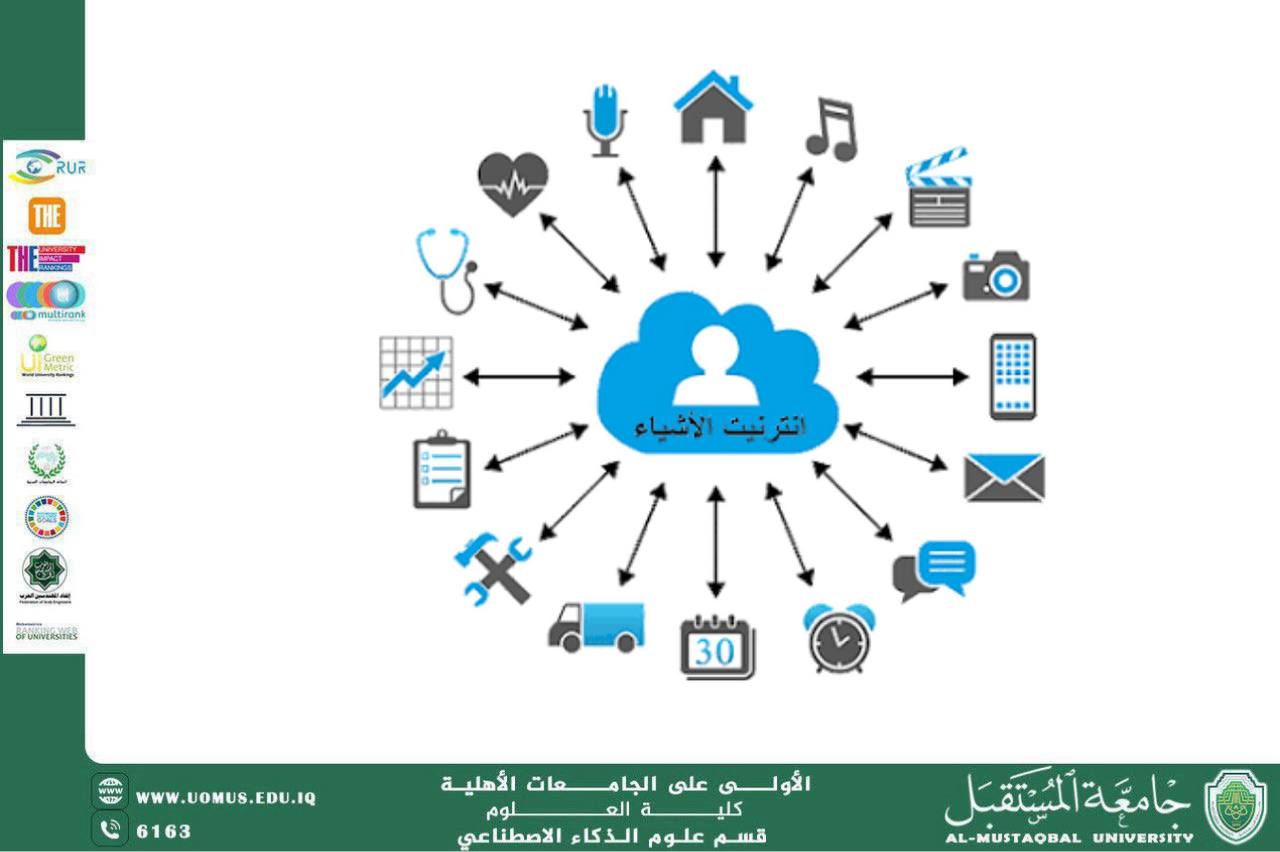
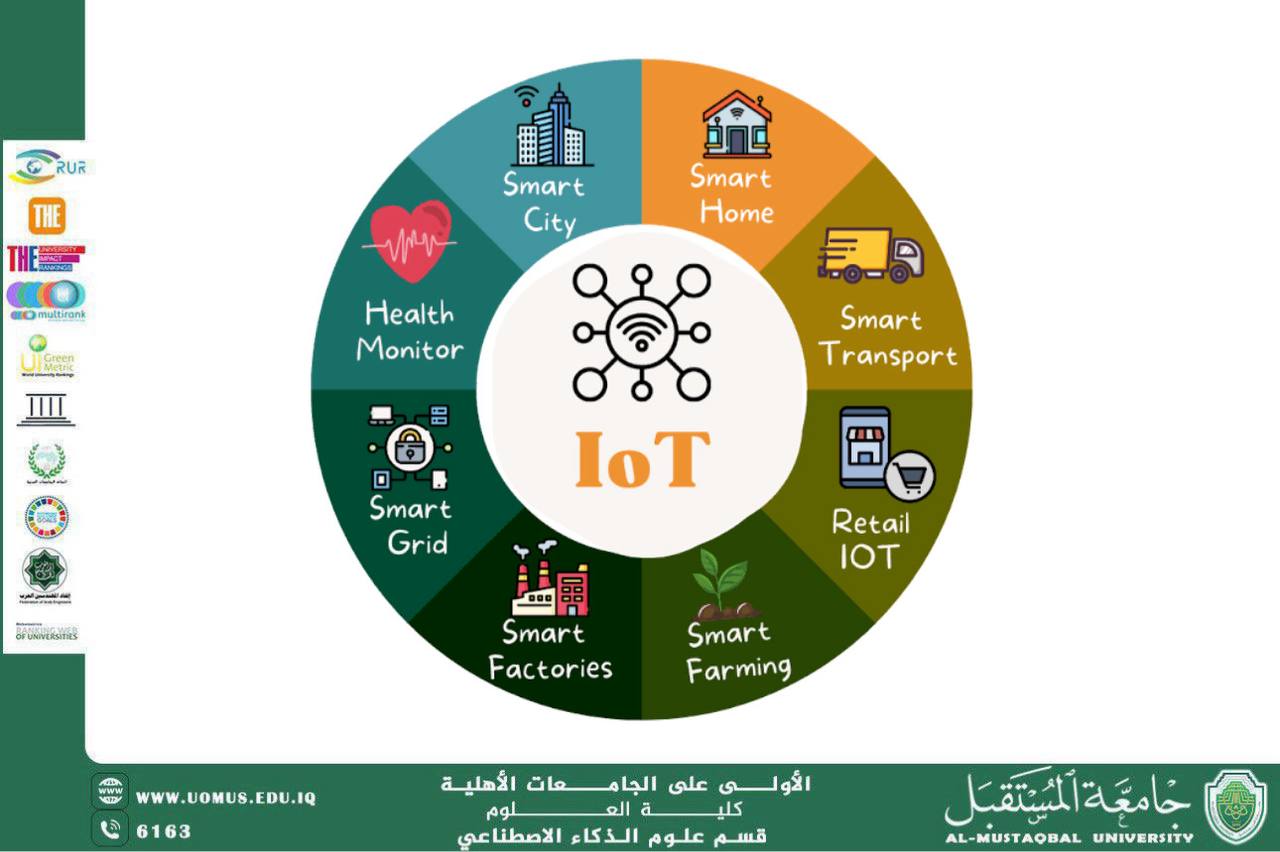
In recent years, Internet of Things (IoT) technologies have witnessed rapid development, becoming one of the most influential modern technologies across various sectors, including higher education. These technologies rely on connecting devices and sensors to the internet to collect and analyze data, contributing to improved performance and enhanced services within the university environment.
Universities utilize IoT technologies to support smart infrastructure, such as managing classrooms and laboratories through smart lighting and air-conditioning systems. This helps reduce energy consumption and promotes a sustainable learning environment. Additionally, IoT applications enhance campus safety and security through smart surveillance systems and connected alarm devices.
From an academic perspective, IoT technologies support the educational process through smart laboratories, attendance tracking using smart cards or connected devices, and real-time data collection for scientific research. They also enhance the student experience by offering smart services such as digital academic guidance and efficient facility management.
Despite these benefits, IoT implementation in universities faces challenges related to data security, privacy protection, and the need for advanced technical infrastructure and skilled personnel to manage these systems.
In conclusion, IoT technologies represent a fundamental pillar in the development of smart universities, providing innovative solutions that improve educational quality, enhance administrative efficiency, and create advanced university environments aligned with digital transformation.