.Predictive Medicine: How Smart Algorithms Support Sustainable Personalized Treatment Plans (Assistant Lecturer: Ali Salim Halim)
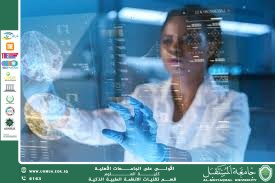
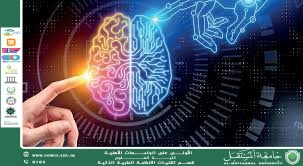
Amid the rapidly evolving transformations in healthcare, predictive medicine has emerged as one of the most innovative and advanced trends. It harnesses artificial intelligence and smart algorithms to analyze massive medical data and predict the course of diseases before their symptoms appear. This approach not only improves diagnostic accuracy but also enables the design of personalized treatment plans tailored to each patient’s unique needs, making healthcare more sustainable and effective.
Predictive medicine relies on analyzing clinical and genetic data to understand individual variations among patients and anticipate their responses to different treatments. Models are developed to predict disease progression and potential complications, allowing for early interventions and reduced health risks. Personalized treatment plans are then based on these predictions, establishing therapeutic protocols that account for biological, behavioral, and social factors specific to each patient. In addition, predictive medicine enhances the sustainability of healthcare by minimizing unnecessary procedures, reducing costs, and optimizing the use of medical resources. These systems can also be integrated with smart wearable devices to continuously monitor patients’ vital signs and adjust treatments in real time when needed.
Predictive medicine represents a transformative shift toward precision and efficient healthcare. It contributes to improving quality of life, enables physicians to make more effective treatment decisions, and provides patients with individualized care plans that reflect the uniqueness of their health conditions. This approach is closely aligned with the Sustainable Development Goals, supporting SDG 3 on good health and well-being by enabling healthcare systems capable of early prevention and improved treatment outcomes. It also contributes to SDG 9 on industry, innovation, and infrastructure through the integration of advanced technologies and artificial intelligence into healthcare systems. Moreover, it supports SDG 12 on responsible consumption and production by optimizing medical resource usage and reducing waste from ineffective treatments, and it advances SDG 17 by fostering partnerships among universities, research centers, and medical technology companies to develop innovative and effective therapeutic solutions.
University of Al-Mustaqbal – The First University in Iraq
الهدف الثالث(الصحة الجيدة والرفاه)