Water Treatment and Its Importance in Protecting Health and the Environment By: Ms. Hawraa Ali Tayar
Abstract
Water is one of the most essential natural resources for sustaining life. However, its exposure to pollution from human and industrial activities makes treatment crucial to ensure its safe use. This article aims to explain the concept of water treatment, types of pollutants, main treatment stages, and the role of modern technologies in improving water quality and protecting the environment.
Introduction
Surface and groundwater sources are increasingly contaminated due to industrial discharges, sewage, agricultural pesticides, and heavy metals. This pollution poses significant health and environmental risks, making water treatment essential before using it for drinking, irrigation, or industrial purposes.
Types of Water Pollutants
Water pollutants can be classified into several categories, including:
Physical pollutants: such as turbidity, suspended solids, and color.
Chemical pollutants: including heavy metals (e.g., lead, mercury), salts, and organic compounds.
Biological pollutants: such as bacteria, viruses, and disease-causing parasites.
Stages of Water Treatment
Water treatment involves several key stages:
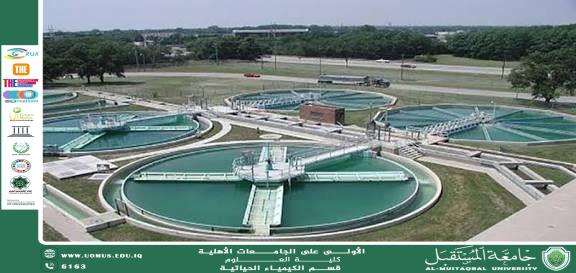
Primary Treatment
Removes large and suspended materials using screening and sedimentation.
Chemical Treatment
Chemicals like alum are added to facilitate coagulation and aggregation of fine particles.
Filtration
Sand or carbon filters are used to remove fine impurities and improve water’s physical properties.
Disinfection
Chlorine, ozone, or ultraviolet light is applied to eliminate microorganisms.
Modern Water Treatment Technologies
The field of water treatment has witnessed significant advancements. Key modern technologies include:
Membrane technologies such as Reverse Osmosis (RO).
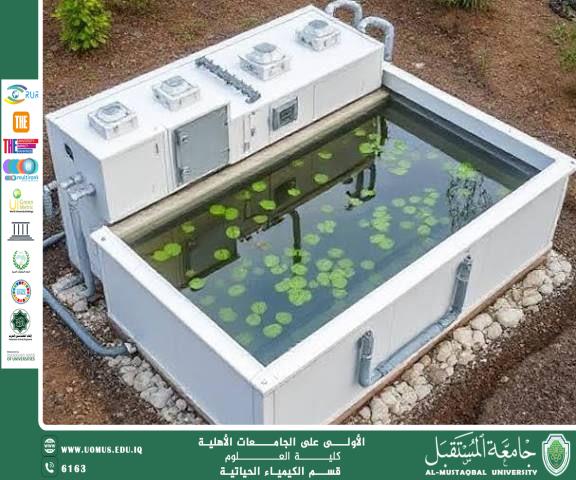
Biological treatment using beneficial bacteria.
Adsorption techniques using activated carbon to remove organic pollutants.
Importance of Water Treatment
Protecting human health from waterborne diseases.
Preserving aquatic environments and ecosystems.
Providing safe water for various uses.
Supporting sustainable development.
Conclusion
Water treatment is a fundamental element in water resource management, as it helps reduce pollution and ensure safe water supply. With increasing environmental challenges, reliance on modern and sustainable treatment technologies is essential.Al-Mustaqbal University
Ranked First Among Private Universities in Iraq