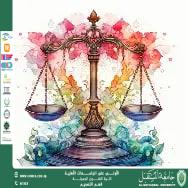
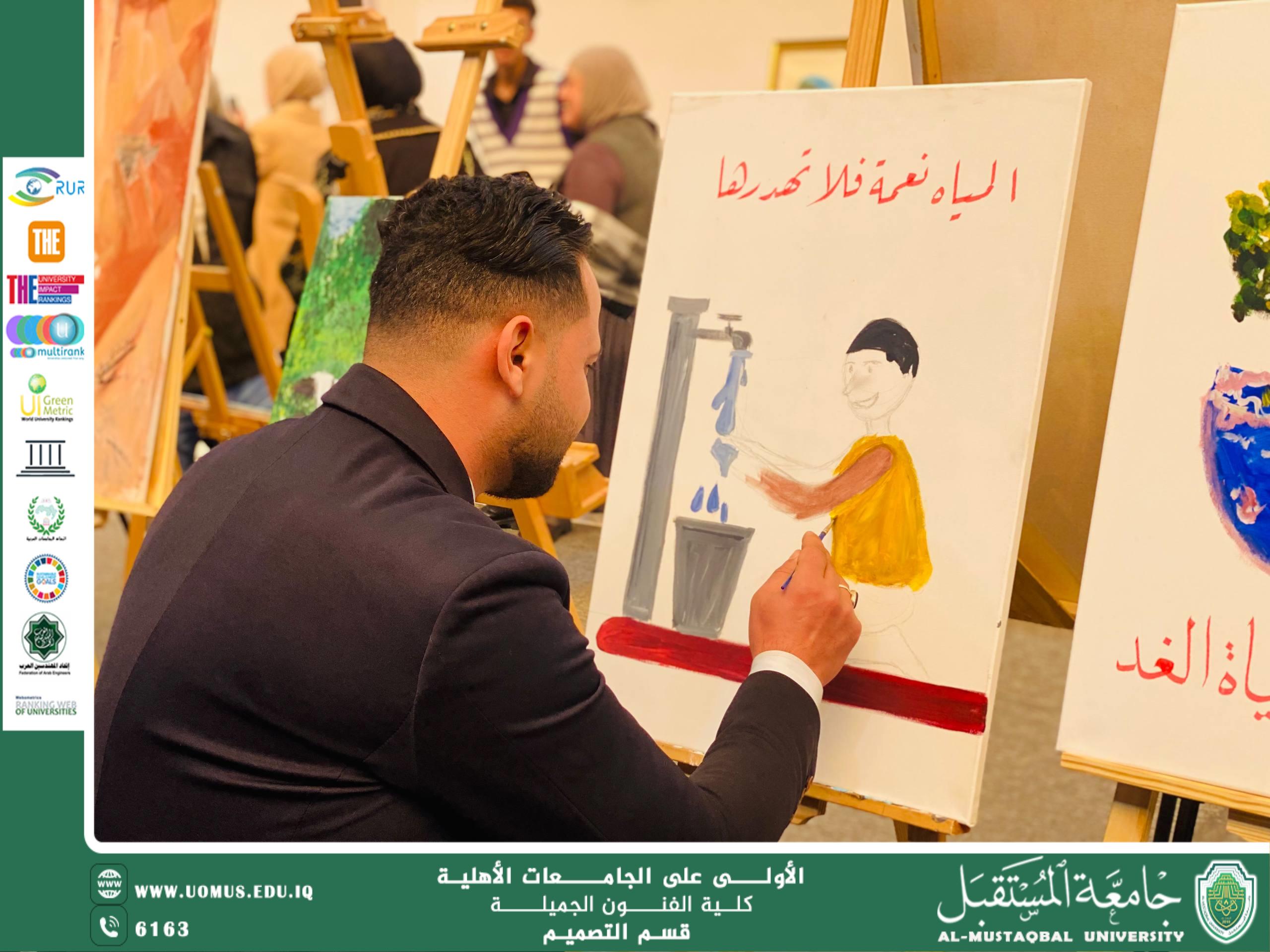
Legal Protection of the Artist Between Freedom of Creativity and the Limits of Responsibility
Art is one of the most significant forms of human expression, serving as a powerful medium for conveying ideas, values, and cultures across generations. Artists enjoy freedom of creativity as a fundamental right guaranteed by laws and international conventions. However, this freedom is not exercised in isolation from legal and ethical regulations aimed at protecting society and individual rights. This creates a critical balance between artistic freedom and legal responsibility.
Concept of Legal Protection for Artists
Legal protection for artists refers to the set of laws and regulations that ensure their right to create and publish artistic works without undue restriction, while safeguarding their moral and intellectual property rights. This includes copyright protection and the prevention of unauthorized exploitation or distortion of artistic works.
Freedom of Artistic Creativity
Freedom of creativity forms the foundation of artistic practice, allowing artists to express their perspectives on social, political, and humanitarian issues through symbolic or direct means. Many constitutions and international agreements, such as the Universal Declaration of Human Rights, affirm the right to freedom of expression, including artistic expression.
Limits of Legal Responsibility
Despite its importance, artistic freedom is not absolute. Legal systems impose certain limitations to prevent harm to others, such as incitement to hatred, discrimination, invasion of privacy, or threats to public order. Artists bear responsibility for understanding the social impact of their work and balancing creative expression with respect for the rights of others.
Balancing Freedom and Responsibility
Achieving balance between freedom of creativity and legal responsibility represents a key challenge in contemporary cultural legislation. Legal protection is not intended to suppress art, but to create a safe environment that encourages responsible creativity and constructive cultural dialogue.
Sustainability and the Role of Responsible Art
This topic aligns with Sustainable Development Goal 4: Quality Education, by promoting legal and cultural awareness among artists and students, and fostering critical thinking and respect for human rights. Responsible art contributes to building inclusive societies that value cultural diversity and social harmony.
Conclusion
Legal protection for artists is not a constraint on creativity, but a framework that ensures its continuity and positive impact. Through awareness of their rights and responsibilities, artists can play a vital role in enlightenment, cultural development, and the achievement of sustainable development goals.
Almustaqbal University, The First University in Iraq.
الهدف الرابع (التعليم الجيد)