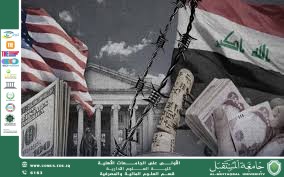
Tariffs between Iraq and the United States
Several months ago, the US President made several decisions to impose tariffs on several countries, most notably China and Europe, as they are the main competitors in global trade for the US. These tariffs also affected several other countries, including Iraq, which was later exempted.
The primary objective of these measures was to reduce the external circulation of the dollar through the large volume of imports, which contributes to high inflation rates. The aim was also to expand the production base within the United States to increase GDP growth and create jobs to reduce unemployment and poverty. Furthermore, the goal was to maintain the market share of American companies domestically and limit competition. Additionally, the aim was to broaden the tax base by creating new jobs to support government tax revenues, in addition to taxes on corporate profits and value-added tax. This indicates that the imposition of tariffs by the US government was a carefully considered and timed step, aligned with market needs and economic conditions, despite the subsequent reversal of some tariffs, the cancellation of others, and reductions in tariffs for some countries through negotiation.
Regarding the decisions and measures taken by the Iraqi government concerning customs tariffs, these were an ill-conceived and poorly timed reaction, driven by a single objective: to increase state revenues. This was done without considering any other factors, whether positive or negative. Positive objectives included encouraging local production and protecting it from foreign competition. It also encouraged local investors to expand their industrial activities to meet the demand for products and create new job opportunities to combat unemployment and reduce poverty. However, the Iraqi government squandered all these potential positive outcomes, in addition to the primary goal of maximizing revenues, due to the inappropriate timing and hasty, ill-considered decisions. This ill-advised step will inevitably lead to a severe form of stagflation, which will discourage many traders and manufacturers from continuing operations due to increased production and import costs. This will result in layoffs or workforce reductions due to decreased demand caused by higher prices, creating a new wave of unemployment and increased poverty. These consequences will ultimately decrease state revenues instead of increasing them. Thus, the Iraqi government has missed both the primary objective and other positive goals, reaping only negative consequences. The negative effects of this decision on the economic and financial situation in general if it insists on proceeding with it.