
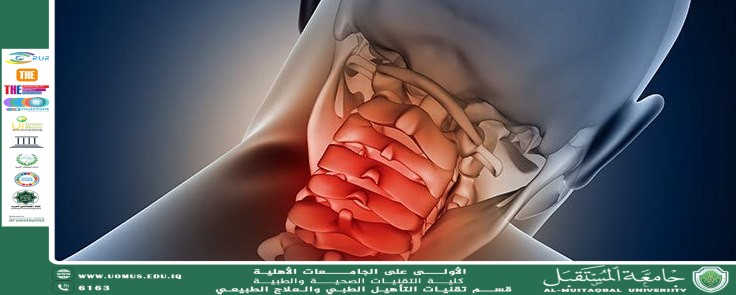

Neck Pain in the Modern Era and the Impact of Lifestyle on the Musculoskeletal System
Scientific Article: Neck Pain in Men
18-01-2026
Neck pain is considered one of the most common health problems in the modern era, especially with the increasing reliance on electronic devices, reduced physical activity, and rising daily stress. The neck plays a vital role in supporting the head and providing movement and flexibility, which makes it vulnerable to strain and injury when exposed to poor posture or excessive loads. Neck pain may range from mild, temporary discomfort to chronic conditions that directly affect quality of life and the ability to perform daily activities. Therefore, understanding the causes, symptoms, methods of diagnosis, treatment options, and preventive measures of neck pain is essential for maintaining the health of the musculoskeletal system.
Causes of Neck Pain
Poor posture is one of the main causes, such as prolonged sitting in front of a computer or mobile phone, continuous forward bending of the head, and sleeping in an incorrect position or on an unsuitable pillow.
Muscle strain also contributes significantly, including lifting heavy weights incorrectly, exercising without proper warm-up, and performing physically demanding manual work.
Psychological stress and emotional pressure can lead to tension in the neck and shoulder muscles.
Cervical disc herniation and compression of the nerves exiting the spine may cause pain that radiates to the shoulder and arm.
Cervical spondylosis (degenerative changes of the cervical vertebrae) is more common after the age of forty and results from aging and cartilage wear.
Injuries and accidents, such as car accidents or direct trauma, are also important causes.
Symptoms of Neck Pain
Symptoms include neck pain that may be acute or chronic, stiffness and difficulty moving the neck, headaches—especially in the back of the head—pain radiating to the shoulder or arm, numbness or tingling in the hands, and muscle weakness in advanced cases.
Diagnosis of Neck Pain
Diagnosis is based on the patient’s medical history and clinical examination, supported by imaging studies such as X-rays and magnetic resonance imaging (MRI), in addition to neurological examinations in advanced cases.
Treatment
Conservative treatment includes rest, avoiding excessive strain, the use of warm or cold compresses, and analgesic medications prescribed by a physician.
Physical therapy plays an important role through strengthening exercises, electrotherapy, ultrasound therapy, and lifestyle modification. This includes improving sitting posture, reducing excessive mobile phone use, and choosing a suitable medical pillow.
In some severe cases, surgical treatment may be required.
Prevention of Neck Pain
Preventive measures include maintaining correct sitting posture, taking adequate rest breaks, exercising regularly, and reducing stress and psychological pressure.
Conclusion
In conclusion, neck pain in men is a common problem but is treatable in most cases through appropriate treatment and lifestyle modification, both of which play a fundamental role in reducing pain and preventing recurrence. If symptoms persist, it is recommended to consult a physician or a physical therapy specialist.
Al-Mustaqbal University
the First University in Iraq