A Scientific Article by Dr. Dakhel Nasser Taha Titled: Medical Laboratories and Their Role in Diagnosis and Healthcare
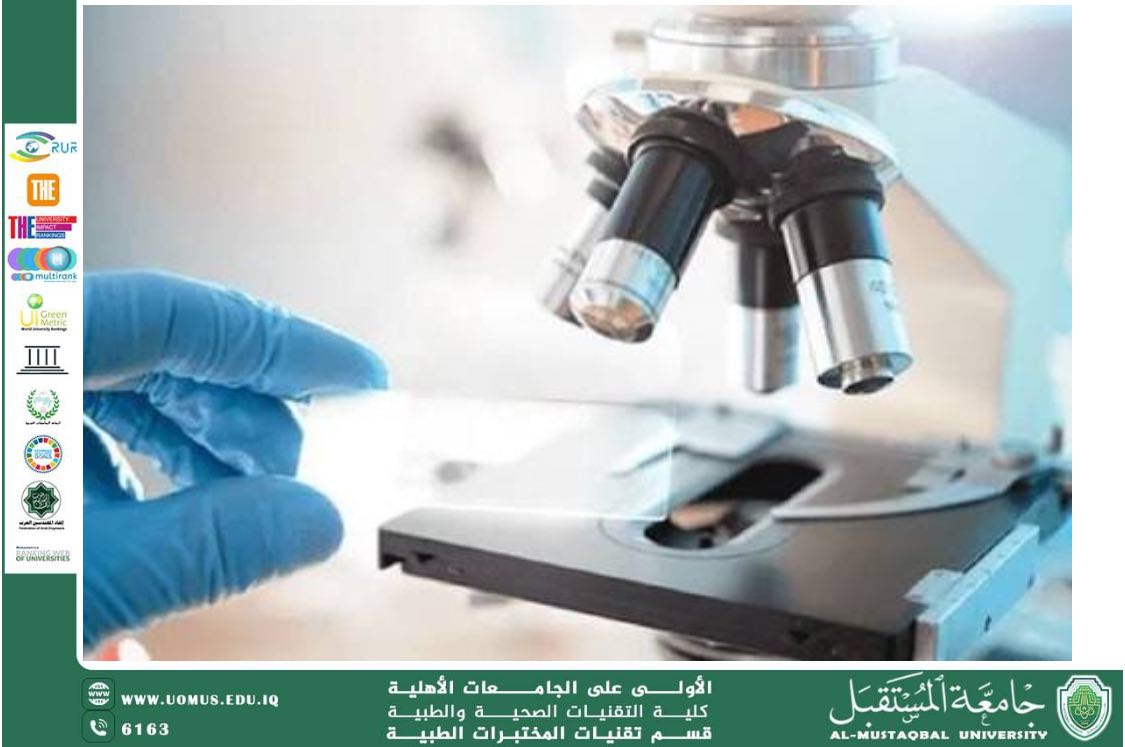
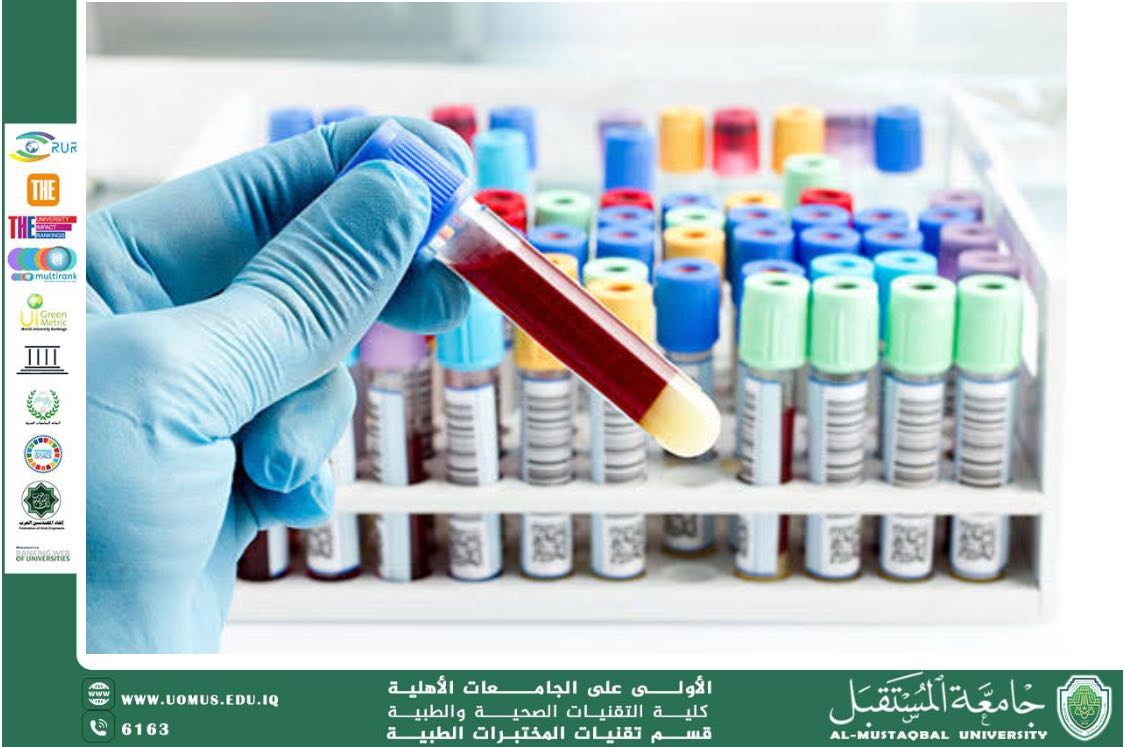
Medical laboratories, also known as clinical laboratories, are considered one of the fundamental pillars of the modern healthcare system. They are facilities where examinations and tests are performed on clinical samples (such as blood, urine, and tissues) to obtain accurate information about a patient’s health. This directly contributes to disease diagnosis, monitoring disease progression, and evaluating the effectiveness of treatments.
In modern medicine, reliance on clinical examination alone is no longer sufficient. Medical laboratories provide objective and precise data that constitute approximately 70% of the information upon which physicians base their diagnostic and therapeutic decisions. They also play a vital role in preventive medicine through the early detection of diseases, and in medical research by supplying data and statistics that enrich scientific studies.
These laboratories are staffed by highly qualified and specialized personnel, known by various titles such as medical technologists or clinical laboratory scientists. Their responsibilities include performing complex biological tests with high accuracy, ensuring the quality of results, and maintaining the highest standards of safety and hygiene, especially when handling infectious waste.
Medical laboratories have witnessed remarkable development in the twenty-first century, evolving from mere sample-testing units into integrated centers for diagnostic innovation. With technological advancements, laboratory tests have become more accurate, faster in delivering results, and more cost-effective, which positively reflects on the quality of healthcare provided to patients.
Adherence to comprehensive quality standards and risk management is an integral part of the work of any professional medical laboratory. The accuracy and reliability of results are not merely objectives, but an ethical responsibility toward the patient. Therefore, these laboratories are designed according to strict engineering and technical standards that ensure the safety of both staff and patients, while also preserving samples from contamination.
In summary, medical laboratories represent a direct investment in diagnostic accuracy and the preservation of human lives. They are an essential partner to physicians in the patient’s treatment journey and in promoting public health within the community.
Al-Mustaqbal University is the first university in Iraq
Department of Medical Laboratory Techniques – First in the Iraqi National Ranking.