Medical Nanorobots: Between Precise Drug Delivery and Microsurgery (Lecturer Najah Hamid Jassim)
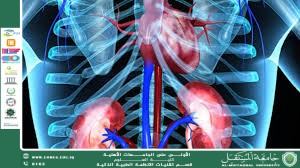
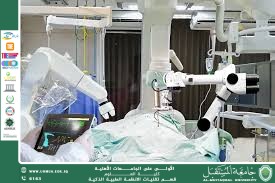
Medical nanorobots represent a groundbreaking advancement in modern medicine. These ultra-small devices are capable of navigating within the human body to reach precise locations that are difficult for traditional medical tools to access. One of their most significant applications is the targeted delivery of drugs directly to specific cells, reducing the overall dosage required and minimizing the side effects that patients often experience with conventional treatments. In addition, nanorobots can be employed in microsurgery, such as removing extremely small tumors or repairing damaged tissues, without the need for large surgical incisions. This approach shortens recovery times and makes surgical procedures safer.
Nanorobots do not operate in isolation; they work in conjunction with artificial intelligence algorithms that enable them to accurately identify target cells, monitor the body’s response in real time, and adjust the dosage of medication or the surgical intervention according to the patient’s immediate needs. Through this integration, healthcare becomes personalized and precisely guided, allowing each patient to receive treatment specifically tailored to their condition—an approach widely regarded as the future of medicine.
Connection to Sustainable Development Goals
Nanorobots contribute directly to several Sustainable Development Goals. Regarding SDG 3 (Good Health and Well-being), they improve treatment outcomes, reduce complications, and accelerate recovery, enhancing individuals’ health and quality of life. In terms of SDG 9 (Industry, Innovation, and Infrastructure), nanorobots combined with artificial intelligence represent the pinnacle of medical innovation, reflecting the advancement of research and industrial infrastructure necessary to support cutting-edge medical solutions. Concerning SDG 12 (Responsible Consumption and Production), the development of safe, biodegradable materials for nanorobots reduces environmental impact and ensures their safe disposal after completing their function within the body.
Challenges
Despite their enormous potential, nanorobots face several key challenges. These include designing safe nanomaterials capable of functioning efficiently within the body without causing toxicity, precisely controlling nanorobot movement in the complex environment of the human body, and ensuring their safe elimination after completing their task to prevent accumulation or potential harm.
University of Al-Mustaqbal – The First University in Iraq