Fundamentals of Graphic Design and Their Role in the Success of Artistic Work
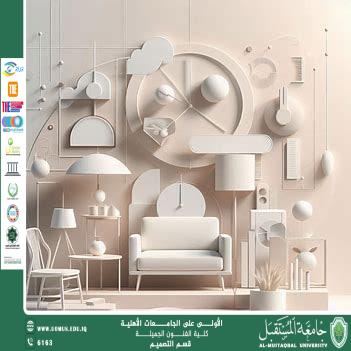
The success of design work depends on a set of principles that organize the relationship between visual elements, ensuring clarity of message and enhancing the aesthetic appeal of the artistic work. Among the most important of these principles are balance, contrast, proportion, alignment, and repetition.
Balance contributes to the comfortable visual distribution of elements, providing stability and making the viewing experience easier on the eyes. Contrast helps highlight important elements and draws attention to key points in the design.
Proportion ensures the harmony of element sizes with one another, maintaining visual coherence and preventing confusion or clutter. Alignment organizes the content in a precise and orderly manner, giving the design a professional appearance and facilitating information flow. Repetition enhances visual unity and connects different parts of the design, creating harmony and cohesion.
Adhering to these fundamental principles enhances the clarity and attractiveness of the design, reflects the professionalism of the designer, and increases the effectiveness of visual communication with the audience, making the artistic work more impactful and successful in achieving its objectives.
Almustaqbal University, The First University in Iraq.
الهدف الرابع (التعليم الجيد)